

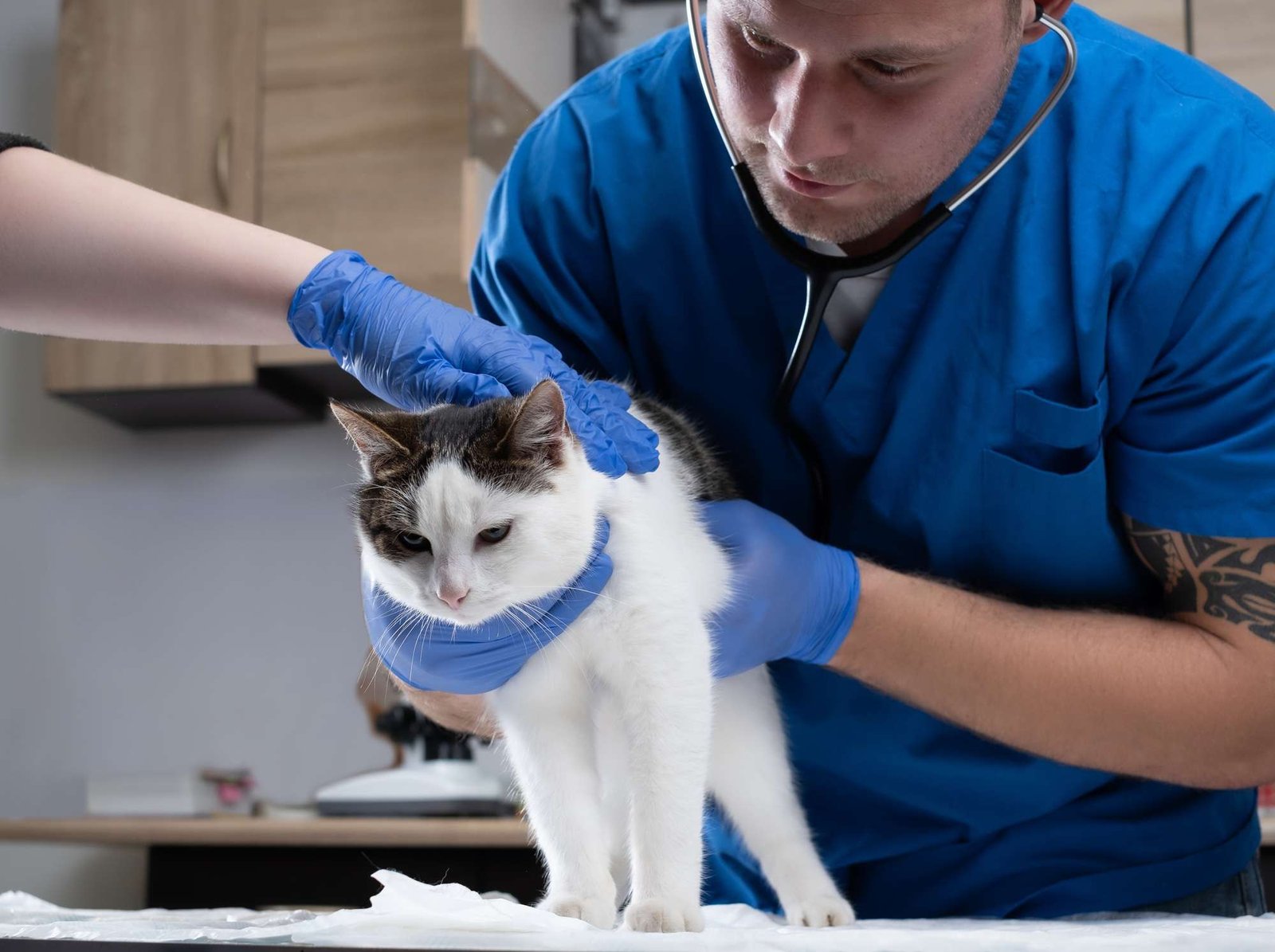

First Signs of Kidney Disease
When I first noticed something was off with my adorable tuxedo cat Sonoma, I had no idea we were about to embark on one of the most challenging and emotionally intense journeys of my life. Kidney disease in cats is this sneaky, silent condition that can creep up on you before you even realize what’s happening, and let me tell you, it’s not for the faint of heart.
Understanding Feline Kidney Disease
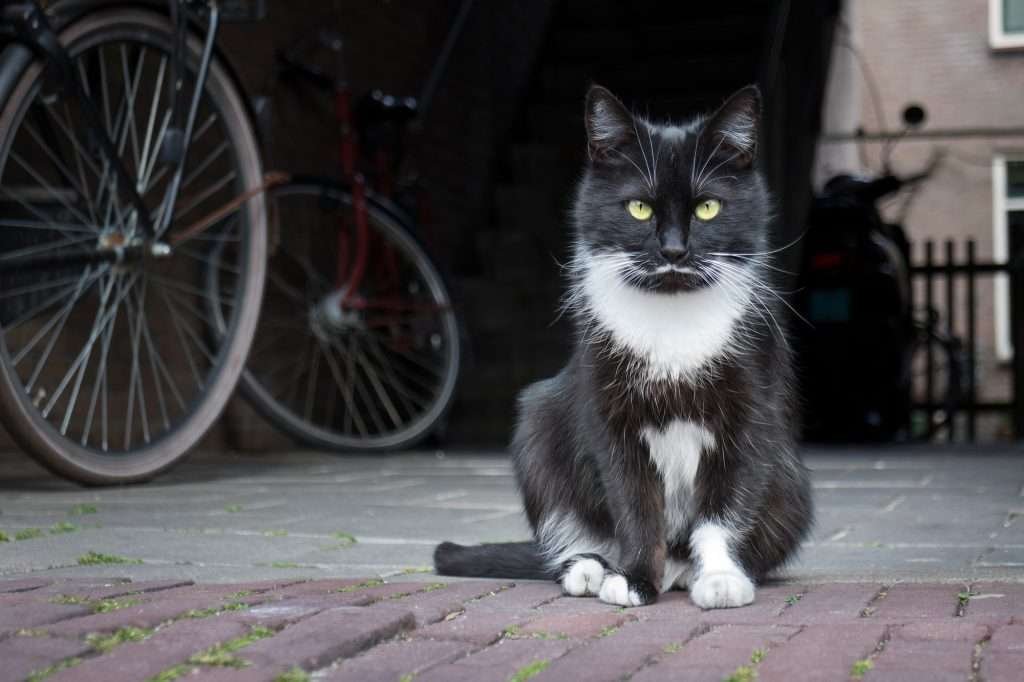
Sonoma, with her classic black and white tuxedo coloring and the most expressive yellow eyes you could imagine, started showing subtle signs that something wasn’t quite right. At first, it was just a bit more water drinking than usual. I’d catch her lounging by her water bowl more frequently, lapping up water like she was training for some feline hydration marathon. Then came the frequent litter box visits – what was once a quick in-and-out became a prolonged affair that had me raising an eyebrow.
The Daily Struggle with Treatment
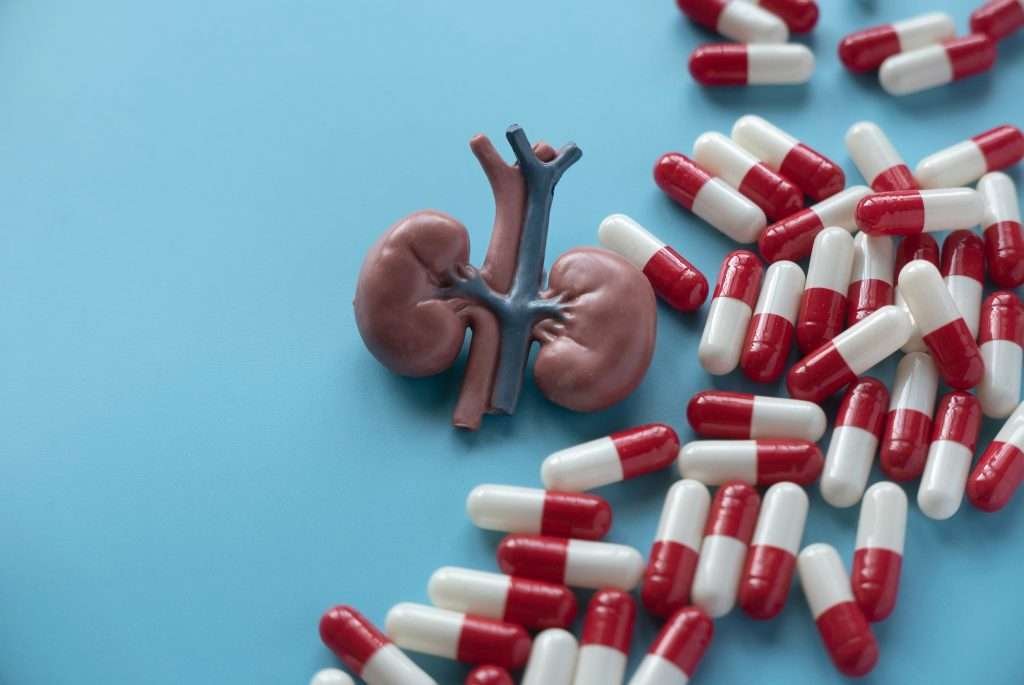
The veterinary world describes kidney disease as this complex condition where the kidneys gradually lose their superhero filtering capabilities. But for a pet parent, it feels so much more personal. It’s watching your perfect little companion slowly become a bit more fragile, a bit more vulnerable. Sonoma’s vibrant energy started to dim, almost imperceptibly at first. Her usually insatiable appetite became more of a tentative nibble, and her weight began to drop in a way that broke my heart. She was never a big cat to begin with but her weight had dropped dramatically and noticeably.
Managing Fluid Therapy at Home

Our journey into managing her kidney disease became a crash course in at-home veterinary care. Every single day became a carefully choreographed dance of subcutaneous fluid administration. Picture this: me, surrounded by sterile needles, fluid bags, and trying to create a calm environment while my sweet Sonoma would look at me with those eyes that seemed to say, “Mom please, I don’t want to do this again.” The subcutaneous fluids became our daily ritual – a way to keep her hydrated and feeling as comfortable as possible. I also had to warm the fluid bags up against my chest before giving her the subcutaneous fluids.
Navigating Weekly Injections
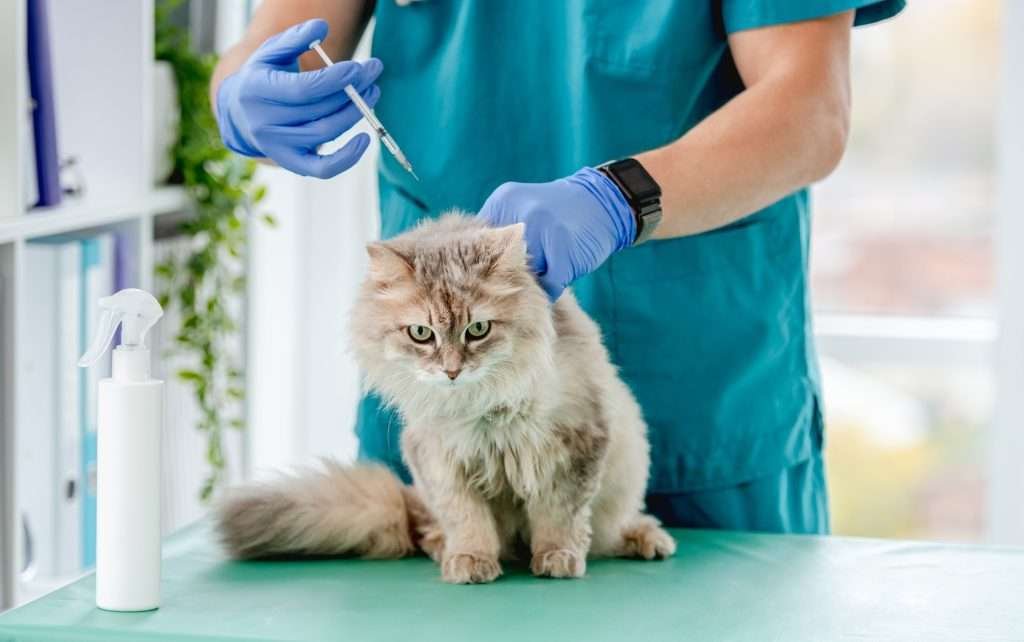
But it wasn’t just about the fluids. We added iron injections once a week to our medical repertoire, another testament to the complexity of managing kidney disease. These weren’t just simple treatments; they were acts of love, tiny medical interventions that represented hope and our commitment to giving Sonoma the best quality of life possible.
RELATED: Small Intestine Lymphoma: 7 Compassionate Ways To Brave Feline Cancer
The Unpredictable Nature
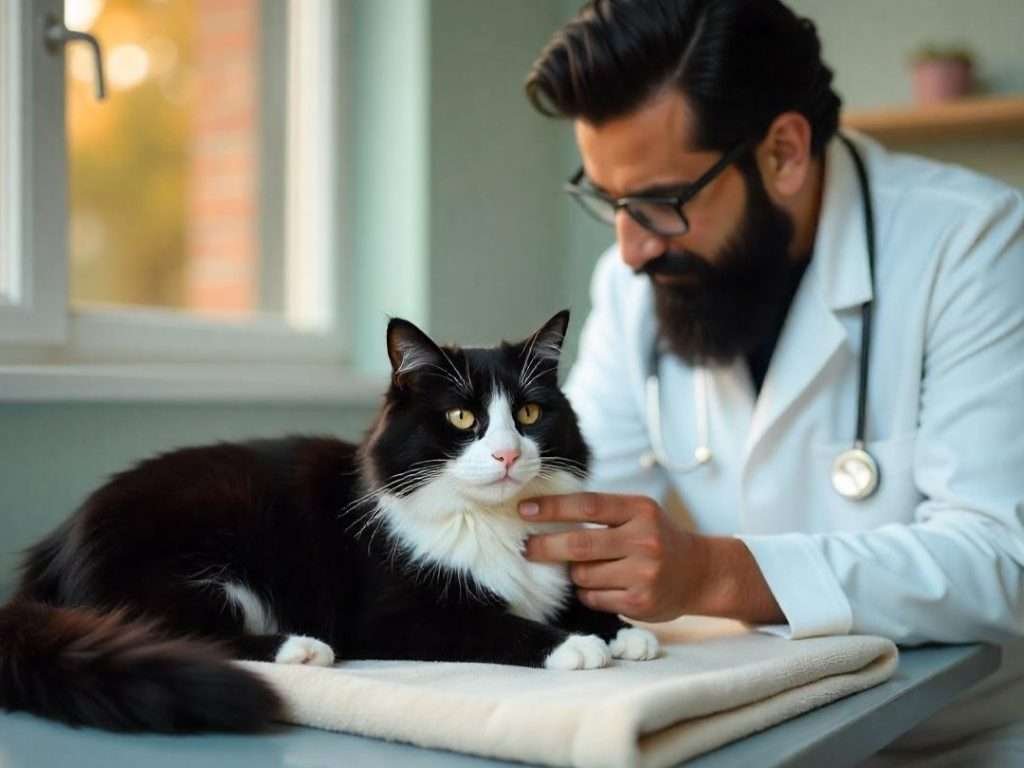
What most people don’t understand about kidney disease in cats is how unpredictable it can be. Some days, Sonoma would seem almost normal – playful, curious, her old self. Other days, the fatigue and discomfort were more pronounced. We learned to celebrate the good moments and provide extra comfort during the challenging ones.
Special Diet Challenges

Diet became our next battleground. Gone were the days of free-feeding whatever she wanted. Now, every morsel was carefully considered – specialized kidney diet foods, primarily wet food, extra moisture in her meals, constant monitoring of her nutritional intake. The food had to be prescribed K/D since it has a lower protein content to make it easier to process through the kidneys. Who knew cat nutrition could become such an intricate science?
Emotional Impact on Pet Parents

The emotional toll of managing a chronic condition like this is immense. There were nights I’d cry, wondering if I was doing enough, if she was comfortable, if we were catching every potential complication early enough. At times, I felt as though she was holding onto life so I had to continue doing all I could to help ease her condition. The veterinary visits became more frequent, with blood tests that felt like they were tracking not just her kidney values, but my own emotional resilience.
Regular Monitoring: The Key to Management
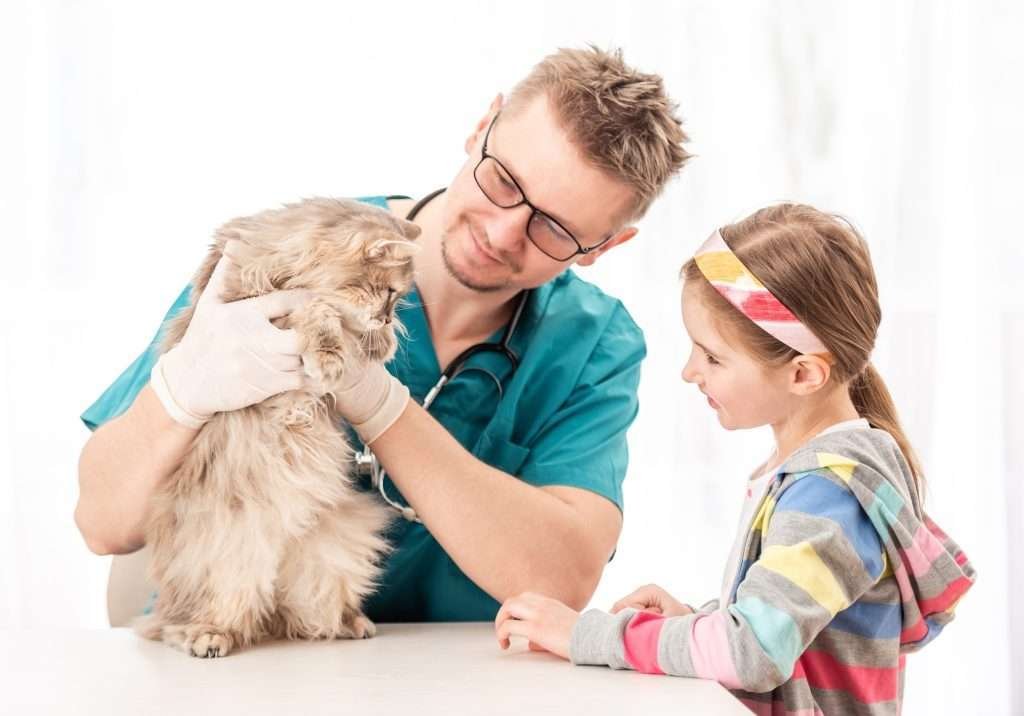
What I learned through this journey is that kidney disease in cats isn’t a death sentence, but it is a significant challenge that requires dedication, love, and a whole lot of patience. Regular check-ups became our lifeline – those blood tests and urine analyses were like tiny crystal balls giving us glimpses into Sonoma’s health trajectory.
Finding Community in the Struggle
For anyone walking this path, know that you’re not alone. The bond between a pet parent and a chronically ill pet is something extraordinary – a mix of medical management, intuitive care, and unconditional love. We learn to read their smallest signals, to understand their needs before they even articulate them.
Lessons in Resilience from Sonoma
Sonoma taught me more about resilience in her illness than I could have ever imagined. She showed me that strength isn’t about never struggling, but about facing each challenge with grace, one day at a time. Even though she has passed on to kitty haven, she is still forever in my memories and heart.
To all the pet parents out there navigating kidney disease, keep loving, keep fighting, and remember – every extra moment of comfort you provide is a gift beyond measure.
Disclaimer: Always consult with a veterinary professional for specific medical advice tailored to your pet’s individual needs.
Join the Conversation!
Have you walked this challenging path with a beloved feline friend? Your story could be a lifeline of hope and understanding for someone else going through a similar experience.
We invite you to share in the comments about your cat’s name and kidney disease journey. Tell us about the treatments that worked best for you, the moments of unexpected joy and resilience, and how kidney disease has changed your relationship with your furry companion. Your insights and tips could provide invaluable support to other pet parents facing similar challenges.
Whether your story is one of ongoing management, recovery, or remembrance, every experience is precious. Let’s create a supportive community where no pet parent feels alone in this journey.
Our comment community thrives on compassion and mutual understanding. We ask that you be kind and supportive, respect others’ experiences, and remember that while sharing can be healing, it’s never a substitute for professional veterinary advice. Share from your heart, with empathy and love.
If you’re comfortable, include a picture of your brave kitty! There’s something incredibly powerful about seeing the faces of these incredible warriors who fight with such grace and spirit.
We are eagerly anticipating reading your stories and sending virtual hugs to every single one of you navigating this challenging path. Together, we are stronger, more resilient, and united in our love for our feline companions.
Comments are moderated to ensure a supportive, kind environment for all.
Kidney Disease in Cats: The Real Talk FAQ
Is kidney disease in cats contagious?
Here’s the good news, fellow worried pet parents – kidney disease isn’t some sneaky, spreadable condition you need to panic about. Unlike that cold your kids might bring home from school, kidney disease won’t jump from cat to cat or from your furry friend to you. It’s a personal health journey unique to each individual kitty.
Do cats with kidney disease need a special diet?
Diet becomes your secret weapon in this battle. Think of it like a carefully crafted love letter to your cat’s kidneys. Specialized kidney diets are designed to be gentler, with adjusted protein and phosphorus levels that support their delicate system. But here’s the truth pet parents know – sometimes, when kidney disease gets advanced and your cat’s appetite becomes as unpredictable as a cat’s midnight zoomies, the most important thing is simply getting them to eat. Your vet becomes your nutritional co-pilot in these moments.
At what age is chronic kidney disease most common?
Kidney disease is like that uninvited guest that tends to show up more frequently as cats enter their golden years. Statistics show that around 30 percent of cats over 15 are dealing with some form of chronic kidney disease. It’s actually one of the most common health challenges for cats over 5 – a clear reminder of how important those senior cat check-ups truly are.
A Heartfelt Reminder
If you suspect something might be off with your furry companion, trust your instincts. Your bond with your cat is profound, and no one knows them better than you. Always, always consult with your veterinarian. They’re not just medical professionals – they’re partners in your pet’s health journey, armed with the knowledge and expertise to guide you through these challenging times.
Remember, every cat’s journey is unique. What works for Sonoma might be different for your little warrior. Approach each challenge with love, patience, and an open heart.
Stay connected with Caty Chat for regular updates, insights, and stories about the wonderful world of cats.