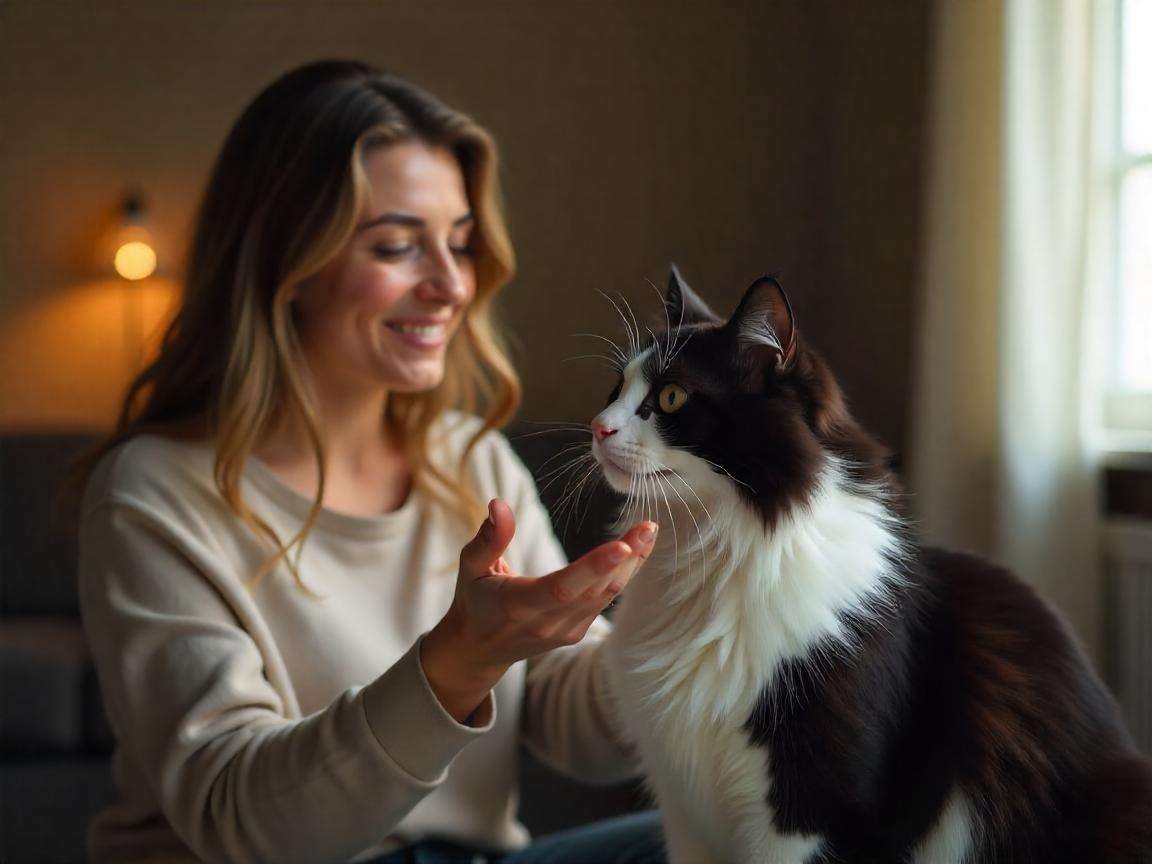


You know that moment when you look at your cat and suddenly realize they’re not the spry little kitten they used to be? I’ve been there, and let me tell you – watching our fur babies age can be quite the emotional journey. But here’s the thing: just like how we might need reading glasses or forget where we put our keys sometimes, our senior cats go through their own set of changes too. Let’s talk about what’s happening with our aging feline friends and how we can help them age gracefully.
1. When Do Cats Become Seniors? Understanding Age Stages
Would you believe that cats are considered “senior” as early as age 7? Crazy, right? It seems so young! But don’t worry – many cats live well into their late teens or even early twenties with proper care. It’s just that around this age, we need to start paying a bit more attention to subtle changes in their behavior.
The Signs of Aging You Might Notice
2. Senior Cat Behavior Changes: Signs of Cognitive Decline
Imagine this: you walk into your living room and find your elderly cat staring intently at a wall. Or maybe they’re meowing at odd hours, seemingly confused about where they are. Sound familiar? This could be a sign of cognitive decline, or what we sometimes call “cat dementia.” It’s kind of like when your grandpa keeps telling the same story at family dinners – the mind just works a little differently now.
RELATED: Cat Brain vs Human Brain: 9 Amazing Ways Your Feline’s Mind Rivals Our Own
3. Litter Box Problems in Senior Cats: Causes and Solutions
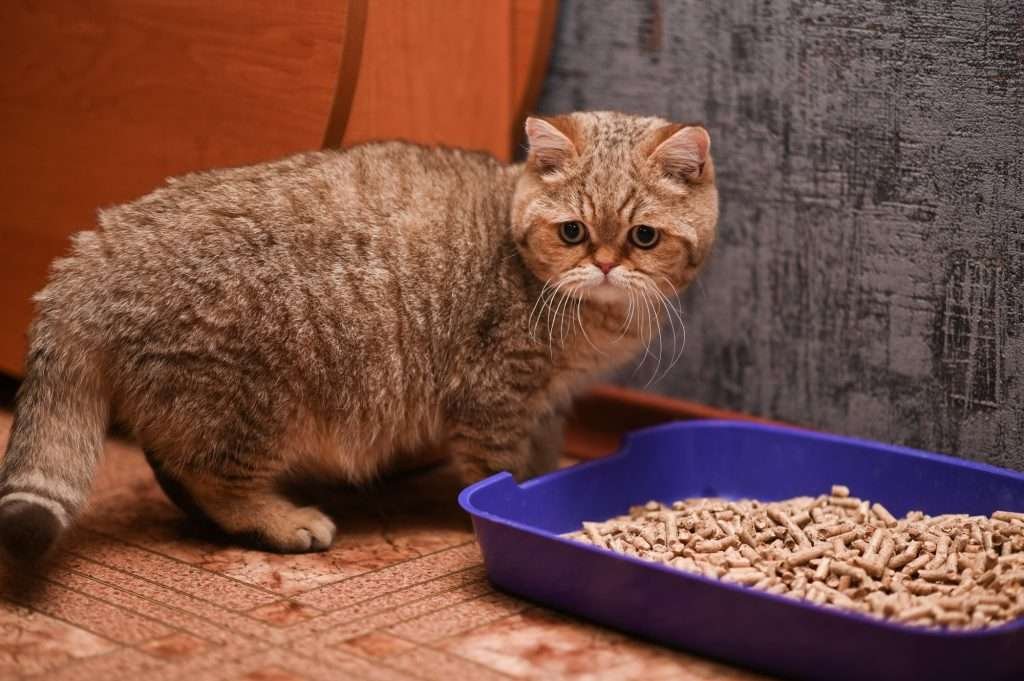
Okay, let’s talk about something that every cat parent dreads – litter box issues. I can’t tell you how many times I’ve heard friends say, “But they’ve never had accidents before!” Here’s the thing: when senior cats start missing the litter box, it’s rarely about being spiteful. Think about it – how would you feel if your joints ached every time you had to climb stairs to get to the bathroom? That’s often what’s happening with our older cats. It may also be a sign of another health issue that needs to be examined by your vet. There are many reasons that could possibly cause your cat to start urinating outside their litter box, so please get them into a vet quickly.
4. Senior Cat Personality Changes: What to Expect
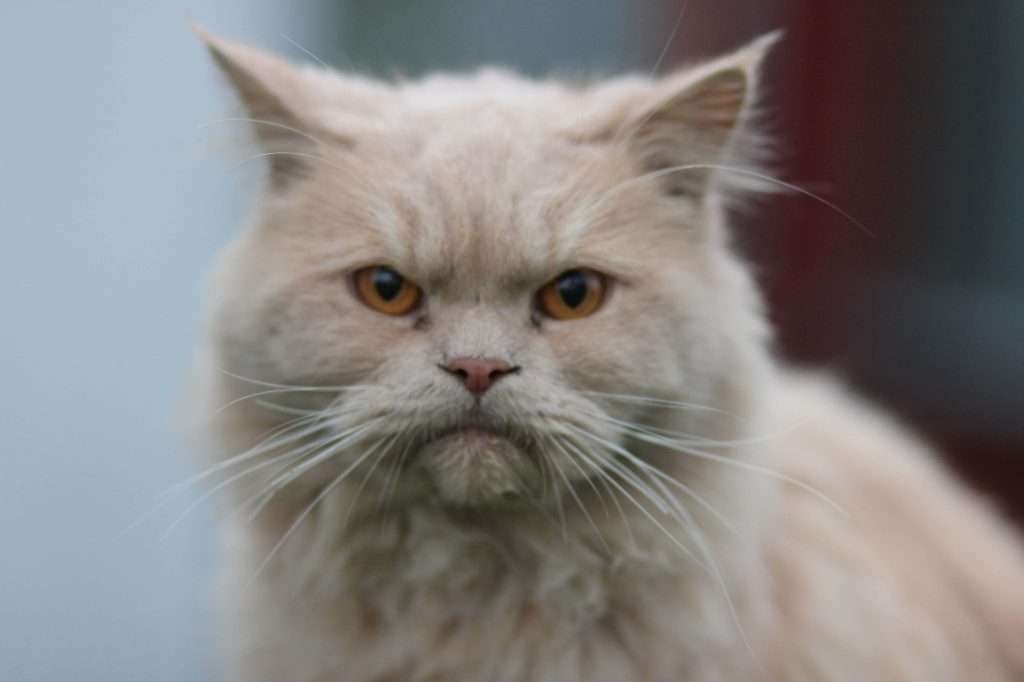
Remember that super social cat who used to greet everyone at the door? They might become a bit more… selective about their social calendar as they age. Or maybe your formerly chill cat is suddenly channeling their inner grumpy old man. These changes often stem from physical discomfort or anxiety about their changing abilities. It’s like when we get cranky because our knee is acting up – cats have their off days too!
How Can We Help Our Senior Cats?
5. Creating a Senior Cat-Friendly Home: Environmental Modifications
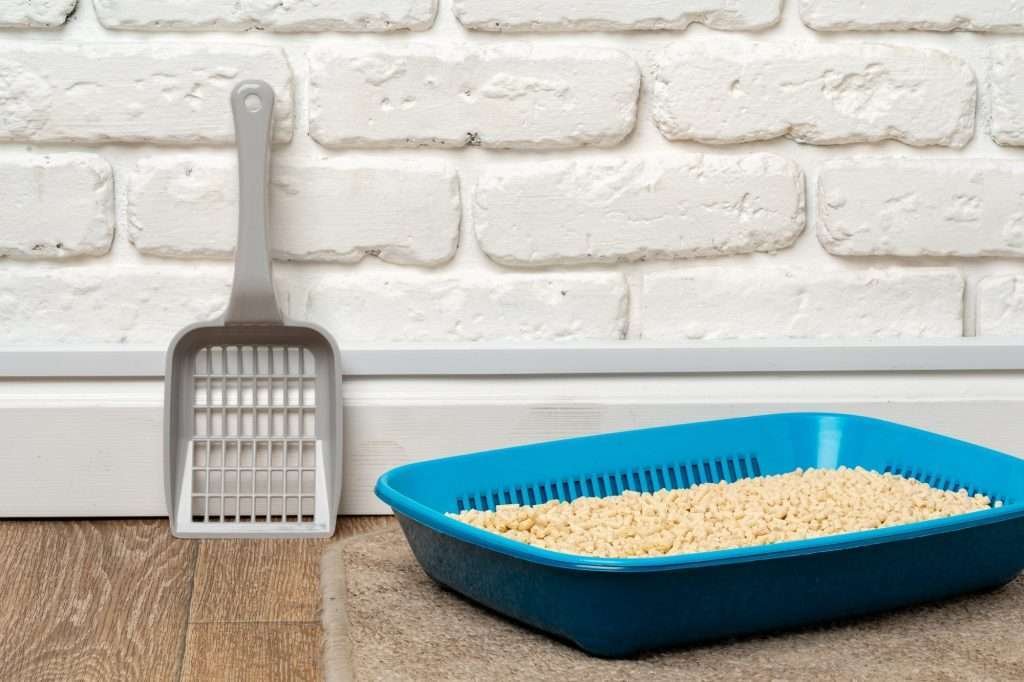
Think of this as a home renovation project, but for your cat! Here are some cozy changes you can make:
Let’s start with accessibility – maybe add some steps up to their favorite windowsill, or place extra litter boxes on each floor of your house. And speaking of litter boxes, consider ones with lower sides for easier entry. It’s like adding grab bars in a bathroom – small changes that make a big difference!
6. Mental Stimulation for Senior Cats: Activities and Enrichment
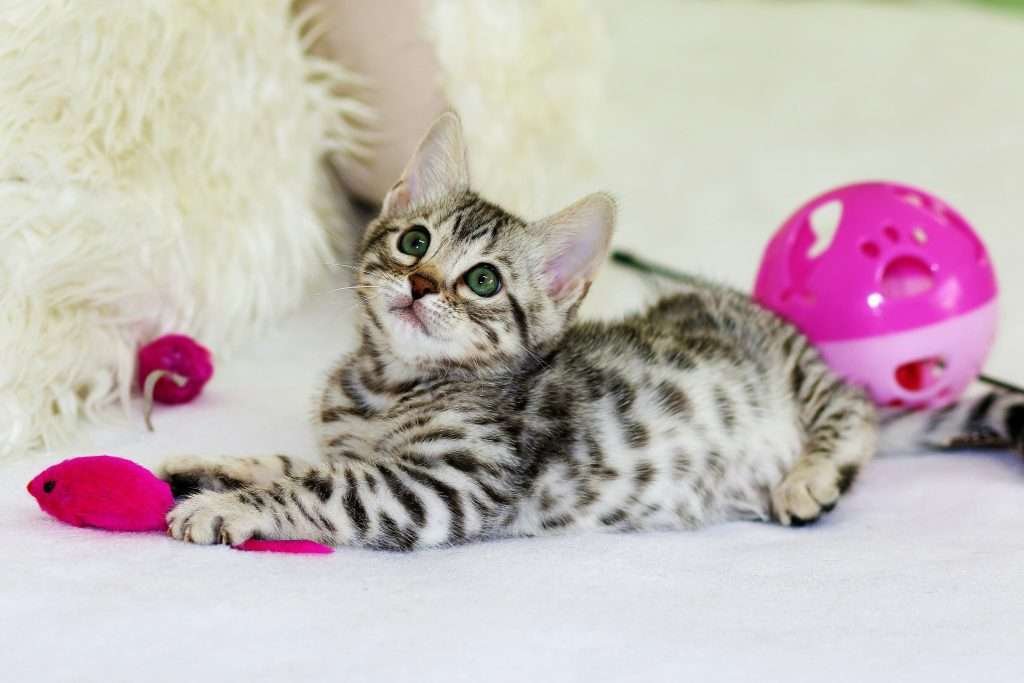
Just because they’re getting older doesn’t mean they can’t learn new tricks! Try introducing some gentle puzzle toys or create little treasure hunts with their favorite treats. Foraging mats are also a great way for your little fuzz butt to have fund while learning their hunting skills. Think of it as cat crossword puzzles – keeping those mental gears turning while having fun.
7. Senior Cat Health: When to Seek Veterinary Care

Here’s something I really want to emphasize: any sudden behavior change warrants a vet visit. I know it’s tempting to write things off as “just getting older,” but our senior cats are masters at hiding discomfort. That slight change in eating habits or new reluctance to jump on the couch could be telling us something important.
Health Monitoring: Being Their Best Health Advocate

This is where we need to channel our inner detective. Our senior cats are masters of the poker face when it comes to hiding discomfort, so we need to be extra observant.
What to Watch For:
- Changes in appetite or water consumption
- Difficulty with grooming
- Altered sleep patterns
- Changes in mobility
The Emotional Journey: For Both of You
Let’s have a heart-to-heart moment here: watching our cats age isn’t easy. Sometimes it feels like yesterday when they were scaling curtains and knocking everything off your shelves. But here’s the beautiful thing – this season of life comes with its own special kind of magic. The bonds often grow deeper, the quiet moments become more precious, and yes, even those 3 AM wake-up calls become memories you’ll treasure (eventually).
A Special Note About Love and Patience
You know what’s amazing? Through all these changes, our cats continue to show us what unconditional love looks like. Maybe they can’t jump as high or play as long, but those slow blinks of affection? Those gentle head-butts? They mean more now than ever.
Remember, aging isn’t a disease – it’s a natural part of life that we get to share with our fur babies. Every additional white hair and slower step is just another chapter in your story together.
Join the Conversation!
I’d love to hear your stories and experiences with your senior cats. What unexpected joys have you discovered in this season of life? What challenges have taught you the most about patience and adaptation? How has your relationship evolved as your cat has aged? What changes have you noticed in your senior cat lately? And more importantly, how has watching them age changed your perspective on what it means to be a pet parent?
And here’s a thought to ponder: What if our cats’ golden years are actually teaching us something profound about our own journey through life? Maybe they’re showing us how to age gracefully, accept help when needed, and find joy in life’s slower moments.
Share your thoughts in the comments below, and let’s create a community of support for everyone navigating this special time with their feline friends. After all, every gray whisker tells a story of love, and every senior cat is writing their own unique chapter in our hearts.
Stay connected with Caty Chat for regular updates, insights, and stories about the wonderful world of cats.