


Hey there, fellow cat parents! I’m scrolling through my veterinary news feed last week (yes, I’m that person who subscribes to pet health newsletters), coffee in hand, when my eyes land on yet another headline about bird flu AKA H5N1 avian influenza in cats. My heart did that little anxious flutter it always does when “cats” and “serious disease” appear in the same sentence. My own fuzzy overlord, Matisse, was sprawled across my lap at that very moment, blissfully unaware of the viral drama unfolding in the outside world.
- What The Heck Is This H5N1 Thing Anyway?
- Can Your Cat Actually Catch This Bird Flu?
- How Serious Is This For Our Feline Friends?
- What Would H5N1 Look Like In Your Cat?
- How Would Your Cat Even Get Exposed To This Virus?
- Can Cats Spread H5N1 Further?
- Keeping Your Cat Safe: A Practical Guide
- What To Do If You Suspect H5N1 In Your Cat
- The Bigger Picture: Why H5N1 In Cats Matters Beyond Our Homes
- Looking Toward the Future: Research and Hope
- We’re In This Together
I’ve spent the last few days diving deep into research mode, chatting with my vet friend Sarah (who’s probably sick of my panicked texts by now), and compiling everything I’ve learned into this guide. Consider this my coffee date chat with you about something that’s honestly keeping many of us cat lovers up at night. Let’s navigate this together, shall we?
What The Heck Is This H5N1 Thing Anyway?
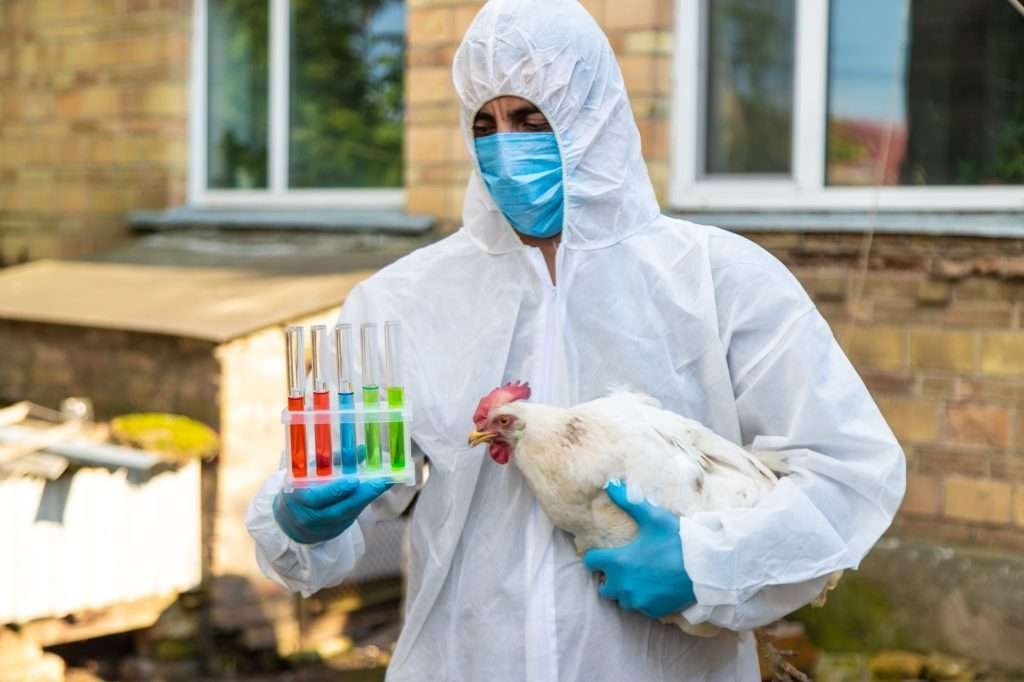
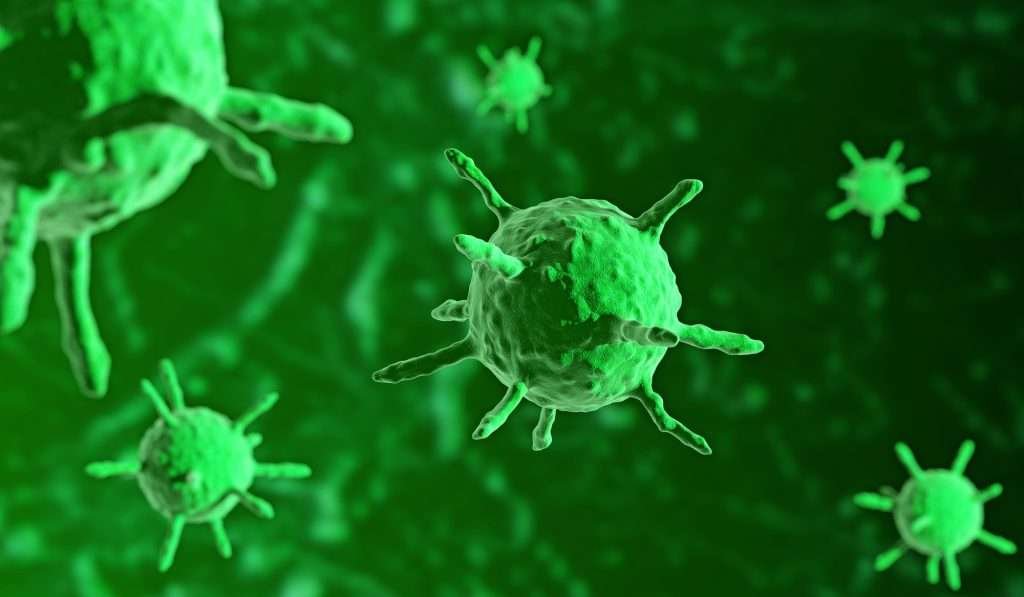
Okay, so let’s start with the basics. H5N1 isn’t exactly new on the block — it’s a type of influenza A virus that’s been hanging out primarily in wild birds, especially waterfowl, for quite some time. Think of it as the bird version of the flu, but with a concerning twist: this particular virus has been evolving and has figured out how to jump ship from birds to mammals, including our beloved feline companions.
The way this sneaky virus typically spreads is through direct contact — when the nasal gunk, saliva, or (sorry to be gross) poop from an infected animal makes its way to another animal’s eyes, nose, or mouth. While it can technically spread through the air too, that seems to be less common, thank goodness for small mercies!
What makes this whole situation extra concerning is how these viruses are like those friends who constantly reinvent themselves. They evolve, they adapt, they change their look. When a virus that normally sticks to birds suddenly shows up in mammals like cats, that’s the viral equivalent of someone unexpectedly crashing your party — unwelcome and potentially troublesome.
RELATED: Cat Brain vs Human Brain: 9 Amazing Ways Your Feline’s Mind Rivals Our Own
Can Your Cat Actually Catch This Bird Flu?
I hate to be the bearer of bad news, but yes, cats absolutely can catch H5N1. When I first read this, I literally looked at Matisse and said out loud, “Absolutely not, sir. This is not an option for you.” He just slow-blinked at me, completely unconcerned.
Unlike some illnesses that only target certain cat demographics—you know, like how some issues mainly affect older cats or certain breeds — H5N1 doesn’t discriminate. Your majestic Maine Coon, sassy Siamese, or adorable adopted tabby— they’re all potentially susceptible.
This is especially worrying for those of us with outdoor cats or indoor-outdoor cats. Think about your typical feline behavior for a sec — cats are natural hunters who might pounce on birds, explore spots where wild birds hang out, or interact with other critters that could be carrying the virus. Essentially, they’re little furry adventurers walking straight into potential viral hotspots!
How Serious Is This For Our Feline Friends?
I’m not going to sugarcoat this, because that wouldn’t help anyone. H5N1 can be extremely serious for cats — we’re talking life-threatening serious. The statistics made my stomach drop: up to 70% of cats who contract H5N1 don’t survive the infection. I actually had to put my phone down and give Matisse an extra-long cuddle when I read that part.
The reason for this high mortality rate is that the virus can cause massive damage throughout a cat’s body, particularly their respiratory system and nervous system. The disease often progresses rapidly, sometimes too quickly for even the most dedicated veterinary teams to effectively treat.
It reminds me of when my childhood friend’s cat Pumpkin developed pneumonia — how quickly she went from slightly off to seriously ill. H5N1 seems to accelerate that process even more, which is why early recognition and immediate veterinary care are so crucial.
What Would H5N1 Look Like In Your Cat?
Let me walk you through what to watch for, because catching this early could make all the difference.
The first signs are often pretty subtle and could easily be mistaken for your cat just having an “off” day. Maybe Fluffy has a fever — though unless you’re in the habit of taking your cat’s temperature (and let’s be real, most of us aren’t), you might not notice this right away. You might see your normally food-motivated kitty turn his nose up at dinner or treats. My own cat’s appetite is basically my household barometer — if Matisse skips breakfast, something is definitely wrong in the world.
You might also notice your typically playful cat seeming unusually tired. Remember when we all had the flu last winter, and the couch was basically your permanent address for a week? Cats with early H5N1 might give off similar vibes — extra napping, less interest in that feather wand they usually go crazy for, or just generally seeming like they’re moving in slow motion.
Here’s where it gets scary though — unlike a regular cat cold that might linger but stay mild, H5N1 tends to escalate quickly. Within a short time, you might see your cat develop goopy discharge from their eyes or nose. They might start sneezing or coughing. Some cats develop noticeable breathing troubles — maybe breathing faster than normal, breathing with their mouth open (cats are normally nose-breathers, so this is a red flag), or seeming to work harder to breathe.
The neurological signs are perhaps the most alarming — your normally graceful cat might suddenly seem uncoordinated, bumping into furniture or walking with a strange gait. They might develop tremors, almost like they’re shivering but it’s not cold. In severe cases, seizures can occur. Some cats even develop vision problems or blindness.
I remember when my sister’s cat had a neurological issue (unrelated to H5N1), and the change in his behavior was so dramatic — from perfectly normal to dramatically different in just hours. That’s the kind of rapid progression we’re talking about with H5N1, which is why any of these symptoms warrants an immediate call to your vet.
How Would Your Cat Even Get Exposed To This Virus?
This is where things get really interesting (and slightly terrifying, not gonna lie). There are several ways cats can pick up H5N1, and some of them surprised even me.
Diet can be a sneaky exposure source. Raw feeding has become super trendy in pet circles — I have friends who swear by it — but unpasteurized milk or raw meat/poultry could potentially contain the virus if it came from infected animals. Those fancy freeze-dried raw treats that cost a small fortune? They could potentially be risky too.
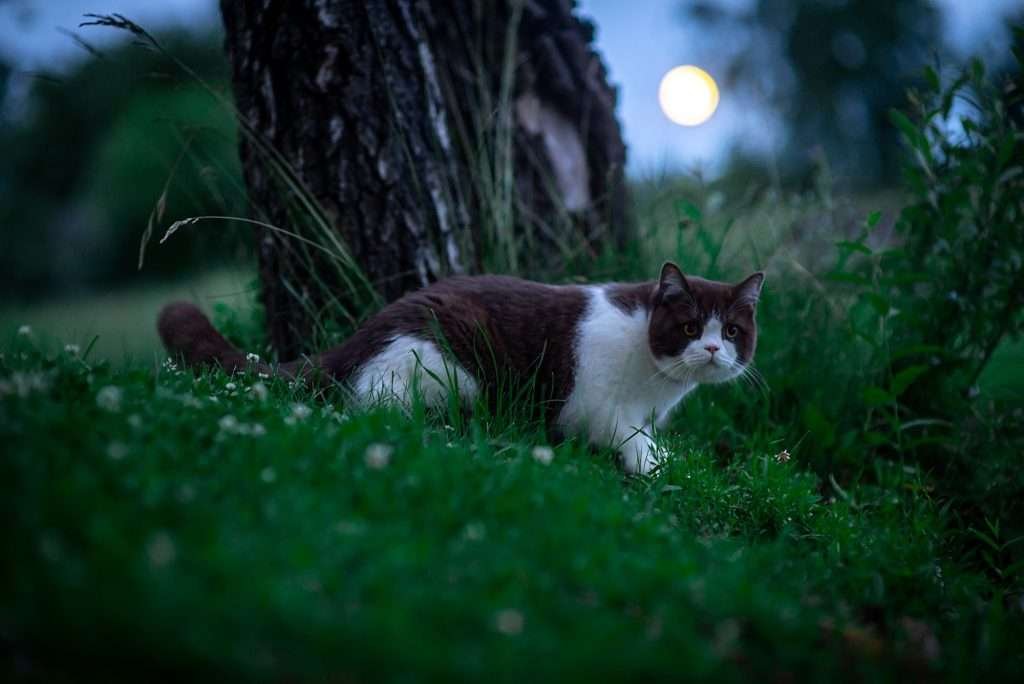
Environmental exposure is probably the most obvious route. Cats that have access to the outdoors might encounter infected wild birds or poultry. They might explore areas where these infected animals have been hanging out. I still remember my childhood cat Hazel bringing “presents” to our doorstep — birds and mice she’d caught — and now I shudder thinking about the potential exposures.
But here’s the twist that really got my attention…human-mediated exposure is becoming a concern too. There was this case in Michigan recently that made me do a double-take. Two indoor-only cats (who should theoretically be safer, right?) came down with H5N1. The common thread? Their owners worked on dairy farms where H5N1 was circulating. The owners declined testing, so we don’t know if they were infected themselves or if they brought the virus home on their clothing or shoes. Either way, it’s a wake-up call that even indoor cats might not be completely safe if humans in the household are exposed.
It reminds me of how careful we all became during the height of COVID — changing clothes after being in public, washing hands meticulously. We might need to consider similar precautions if we work around animals and have cats at home.
Can Cats Spread H5N1 Further?
Let’s talk about the transmission chains that might keep you up at night — can your cat pass H5N1 to you or to other pets?
Could Your Cat Give You H5N1?
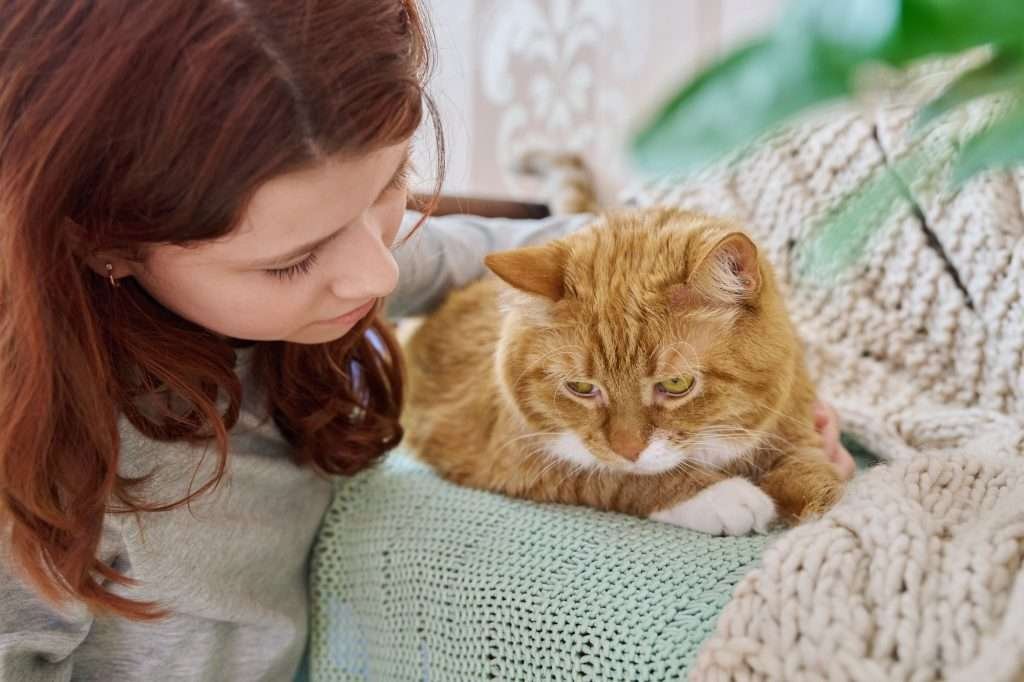
The good news — so far, there haven’t been any confirmed cases of cat-to-human transmission during the current outbreak. I breathed a genuine sigh of relief when I confirmed this fact. That said, theoretical possibility and confirmed cases are different things, and public health experts still recommend caution.
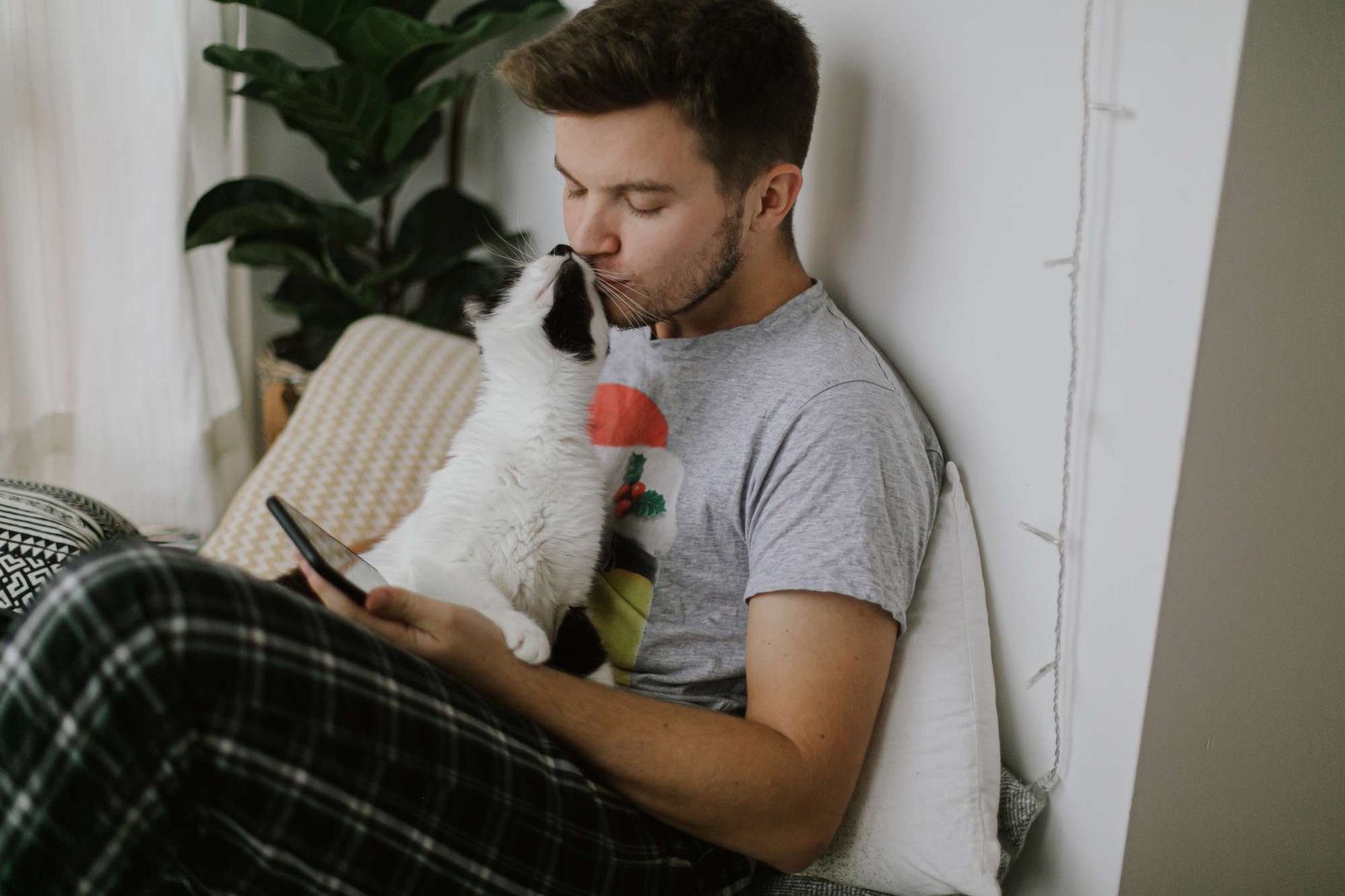
If your cat is showing those worrying symptoms we talked about, it’s probably wise to avoid letting them lick your face (I know, I know — those sandpaper kisses are precious) or snuggle too close until you’ve talked to your vet. Think of it as a temporary precaution rather than a banishment. Matisse absolutely protests when I don’t let him sleep on my pillow, but sometimes tough love is necessary!
What About Cat-to-Cat Transmission?
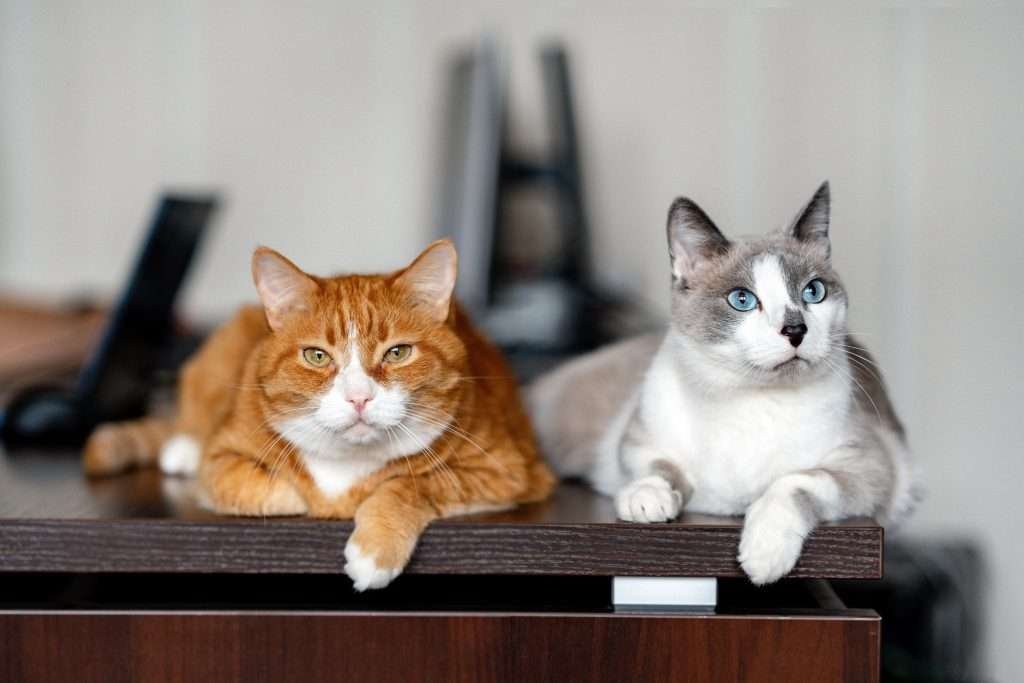
Similarly, while we theoretically believe cat-to-cat transmission could happen, there haven’t been documented cases during the current outbreak. Still, if one of your cats starts showing symptoms, separating them from your other feline family members is a smart move until you get veterinary guidance.
I once had to keep my two cats separated after one had surgery, and yes, it was a logistical challenge involving rotating rooms and double-checking doors, but it was temporary and worth it for their health.
Can Humans Give H5N1 To Cats?
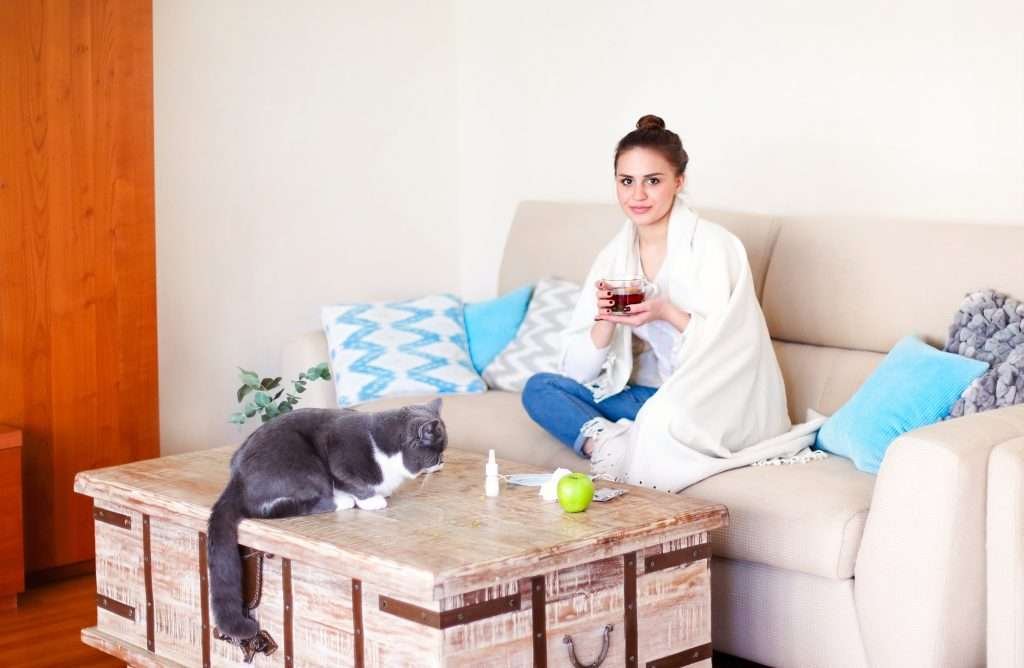
This is where those Michigan cases I mentioned earlier come into play. While not definitively proven, the circumstantial evidence suggests that humans who’ve been exposed to environments with H5N1 might potentially bring the virus home to their cats — either through direct transmission if the human is infected, or indirectly via contaminated clothing or shoes.
This really drives home the concept of “One Health” — the idea that human health, animal health, and environmental health are all interconnected. We’re all in this together, humans and fur-babies alike.
Keeping Your Cat Safe: A Practical Guide

Alright, let’s get down to the nuts and bolts of protection. Here’s my personal approach to minimizing risks for Matisse and the rest of the Caty Chat crew, which you might consider adapting for your own feline family:
When it comes to food choices, I’ve become even more cautious lately. Those raw food diets might be trendy, but they carry risks beyond just H5N1. I’m sticking with the commercially prepared raw coated dry and canned rabbit and salmon cat foods from companies I trust. The same goes for treats — freeze-dried raw salmon instead of poultry. And although my cat has an infinite love interest in milk, unpasteurized dairy products are off the menu.
Environmental management has become even more important. Matisse and the other two are indoor cats but Matisse is an indoor cat by nature (he considers the outside world to be terrifying and offensive), which is actually a blessing in disguise right now. If your cat currently has outdoor access, this might be a good time to consider transitioning them to indoor living, or at least supervised outdoor time like a catio or walks on a harness. I know that’s a big lifestyle change for some cats, but weighing the risks might tip the scales toward more indoor time.
I’ve also removed the hummingbird feeder from my patio. As much as I loved watching the little hummers visit, it was potentially attracting birds right to where my cat spends his time watching through the window. Not worth the risk right now.
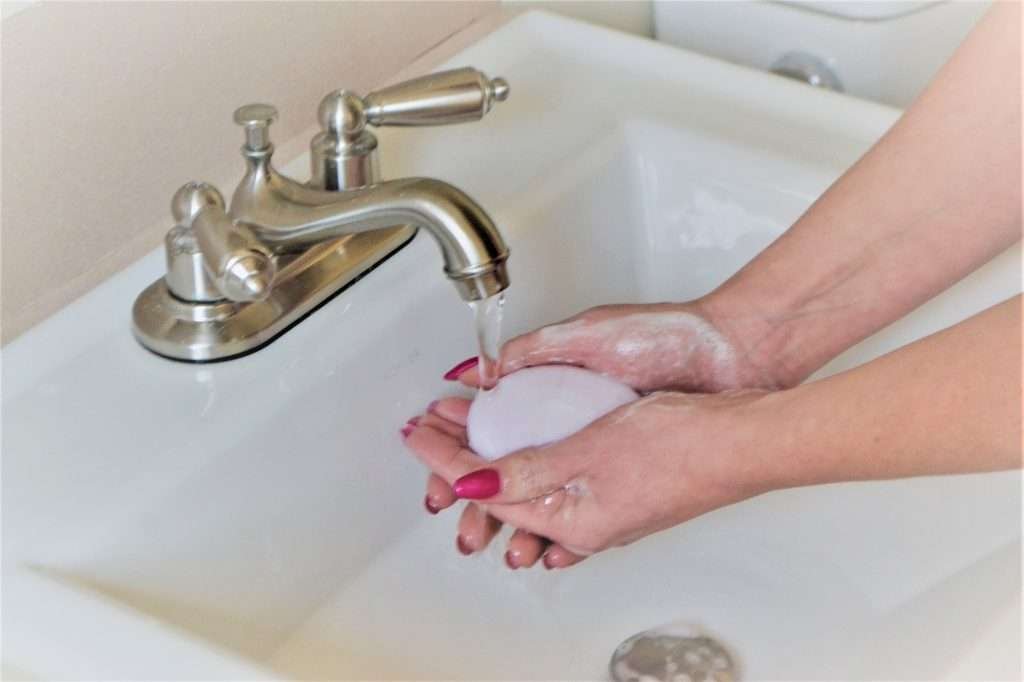
Personal habits matter too. I’ve become almost obsessive about handwashing before and after handling my cat — reminiscent of early COVID days. If I visit friends with farm animals or spend time in areas with lots of wild birds, I change my clothes and shoes off at the front door before interacting with my cat. It feels a bit excessive sometimes, but then I remind myself of that 70% mortality statistic and suddenly it doesn’t seem excessive at all.
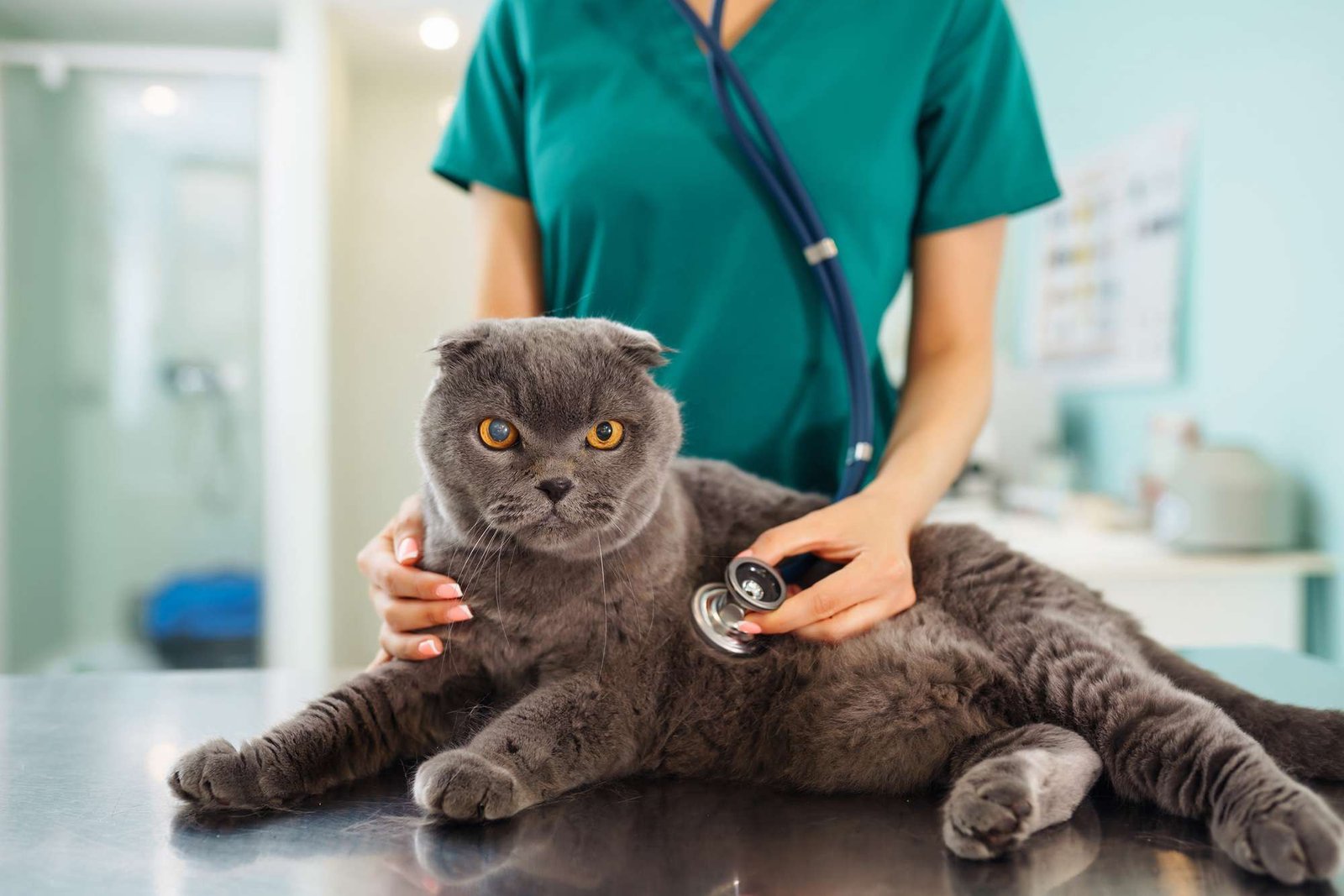
Regular vet care remains crucial. Matisse just had his quarterly checkup this month, and while there’s no specific vaccine for H5N1 in cats yet, keeping him current on his appointments helps with keeping his immune system in top condition. I’ve also saved my vet’s emergency number prominently in my phone contacts, just in case.
What To Do If You Suspect H5N1 In Your Cat
Let’s say your stomach drops one day because your cat is showing some of the symptoms we’ve discussed. What next?
First things first: isolation. I have a plan ready — my guest bathroom would become Matisse’s temporary hospital room if needed. It’s a good size, easy to clean, and separated from the rest of the apartment with a cat gate to keep the other two out. I’ve mentally noted what I’d need to move in there quickly: his favorite bed, food and water bowls, litter box, and maybe that catnip banana kicker toy he loves for comfort.
Hygiene would become my middle name. I already keep disposable gloves in my emergency kit (yes, I have a cat emergency kit — don’t judge me), and I’d use them along with thorough handwashing before and after any necessary interactions with my sick cat.
The most important step: I would call my vet immediately — not email, not text, but call. And I’d be explicit about the symptoms and my concerns about H5N1. What I would NOT do is scoop up my cat and rush to the vet clinic without calling first. This was a lesson I learned the hard way years ago with a different pet health scare —veterinary clinics need to prepare for potentially contagious cases to protect everyone.
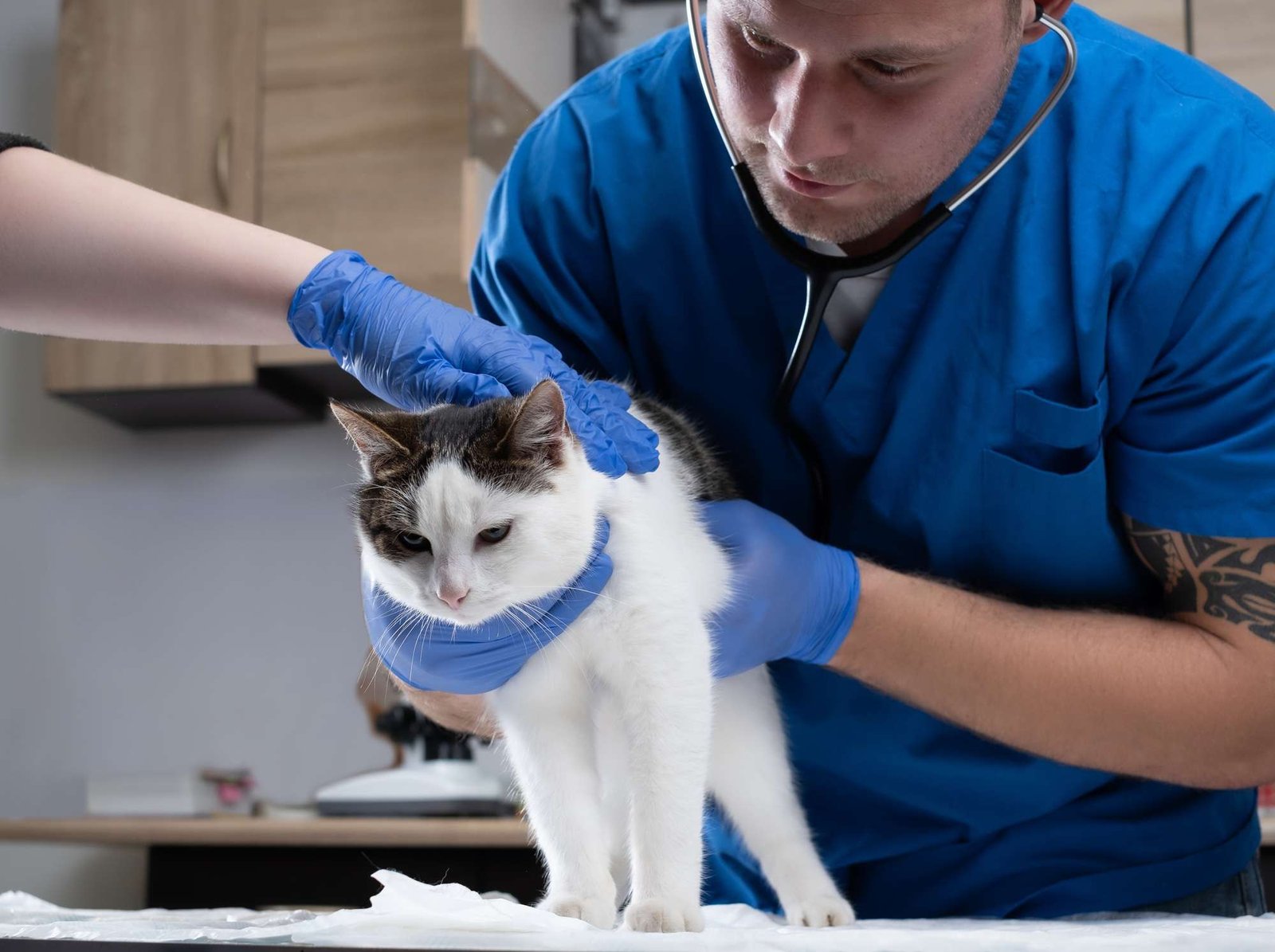
My vet would likely give specific instructions about how to transport my cat safely and what entrance to use when arriving at the clinic. They might even ask me to wait in the car rather than the waiting room. Whatever their protocol, I’d follow it to the letter.
The Bigger Picture: Why H5N1 In Cats Matters Beyond Our Homes

This whole situation with H5N1 spreading to cats is more than just a personal pet health concern — it’s a perfect example of how interconnected our world really is. My environmental science friend calls these “spillover events,” when diseases jump from one species to another, and they’re becoming more common as more humans push into wildlife habitats and climate change alters traditional migration patterns.
Every time H5N1 infects a new species, it gets another opportunity to adapt and potentially become more effective at spreading. While the risk to humans currently remains low, public health experts are watching closely because influenza viruses have a knack for reinventing themselves in unexpected ways.
I find myself thinking about this broader context when making decisions for my three fur kids but especially Matisse. It’s not just about protecting him — it’s about being part of a larger community effort to limit the spread of this virus across species. By keeping my cats healthy and unexposed, I’m playing a small role in the bigger picture of public health.
Looking Toward the Future: Research and Hope

As a perpetual cautious person (especially during pandemics), I’m encouraged by the research community’s response to H5N1 in cats. There’s no commercial vaccine available yet, but several research institutions are working on potential candidates. The urgency of the situation has accelerated these efforts, though we’ll still need to be patient as vaccines undergo necessary testing and approval processes.
In the meantime, scientists are studying why H5N1 affects cats so severely and how treatments might be improved. Every new case adds to our understanding, and veterinarians are sharing information across networks to improve management strategies.
I check for updates regularly and have even signed up for alerts from veterinary organizations to stay informed about new developments. Knowledge really is power when it comes to protecting our feline family members.
We’re In This Together

Living with the reality of H5N1 as a cat parent can feel overwhelming at times. Just last night, I found myself watching Matisse breathe while he was sleeping, double-checking that his respiratory rate seemed normal. It’s easy to spiral into worry when you love a pet as much as we do.
But here’s what I keep reminding myself: awareness and reasonable precautions go a long way. By understanding the risks, recognizing the signs, and having a plan in place, we’re already doing so much to protect our cats. The vast majority of cats, even in areas where H5N1 has been detected, remain healthy and unaffected.
I’ve found that sharing what I’ve learned with other cat parents in my life has been therapeutic. My neighbor with two rescue cats and I have become unofficial H5N1 information buddies, texting each other articles and updates. There’s comfort in community, even when the topic is a bit scary.
Your veterinarian remains your best ally in this situation. They have the most current information for your specific geographic area and can provide guidance tailored to your cat’s individual health needs and risk factors. Never hesitate to reach out to them with questions or concerns — that’s literally what they’re there for!
In the meantime, maybe this is our reminder to appreciate those ordinary moments with our cats even more — the purring cuddles on the couch, the silly zooms around the house at 3 AM, even the judgment-filled stares when we’re late with dinner. These everyday moments of connection with our feline friends are precious, pandemic or not.
How are you feeling about all this H5N1 news, and have you made any changes to your cat care routine because of it? I’d love to hear about your experiences and any tips you might have to share with our community of cat lovers. We’re all in this together, after all!
Disclaimer: Always consult with a veterinary professional for specific medical advice tailored to your pet’s individual needs.
Join the Conversation!
Share your thoughts in the comments below, and let’s create a community of support for everyone navigating this special time with their feline friends.
Comments are moderated to ensure a supportive, kind environment for all.
Stay connected with Caty Chat for regular updates, insights, and stories about the wonderful world of cats.