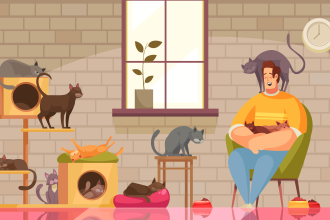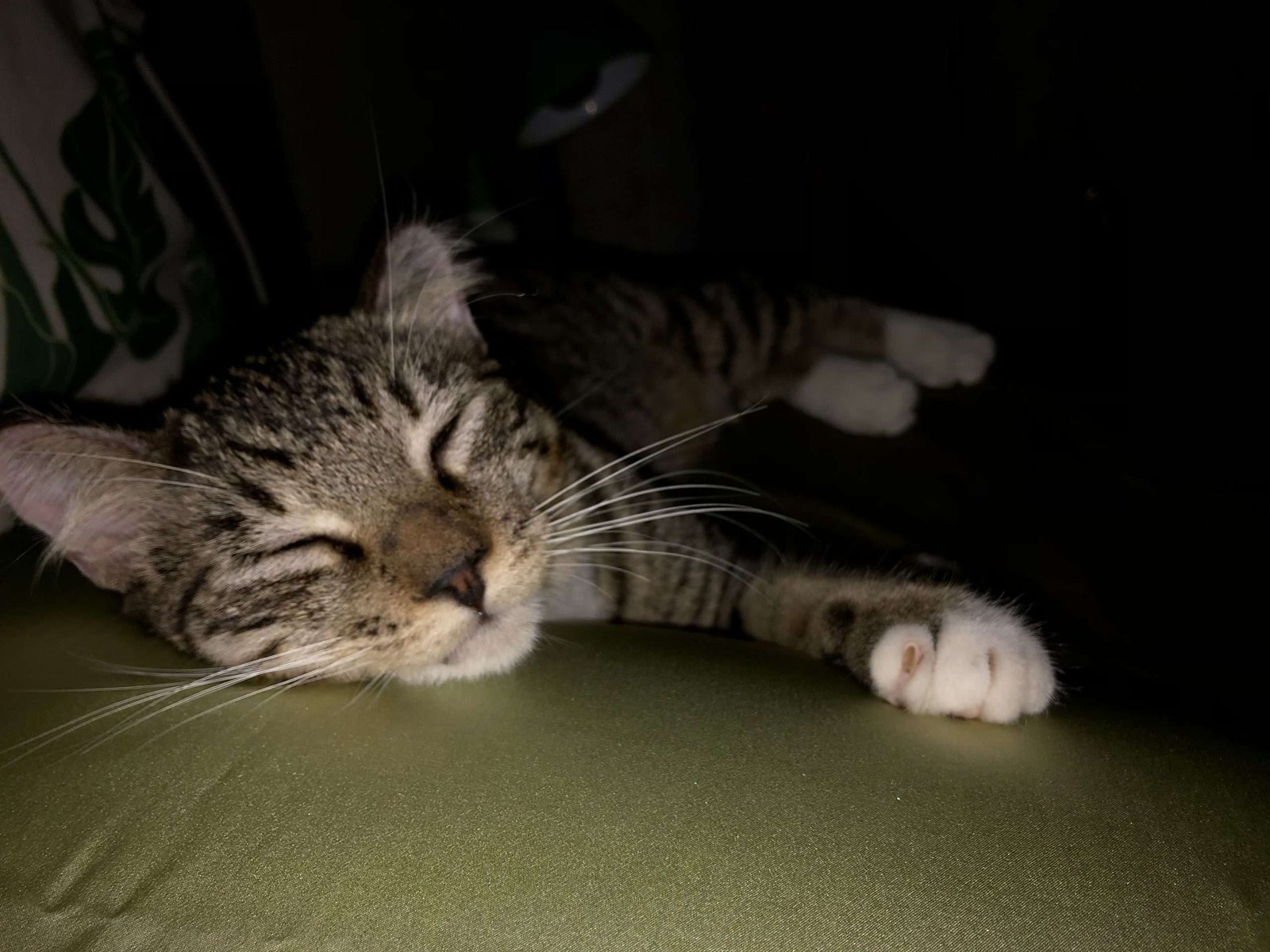


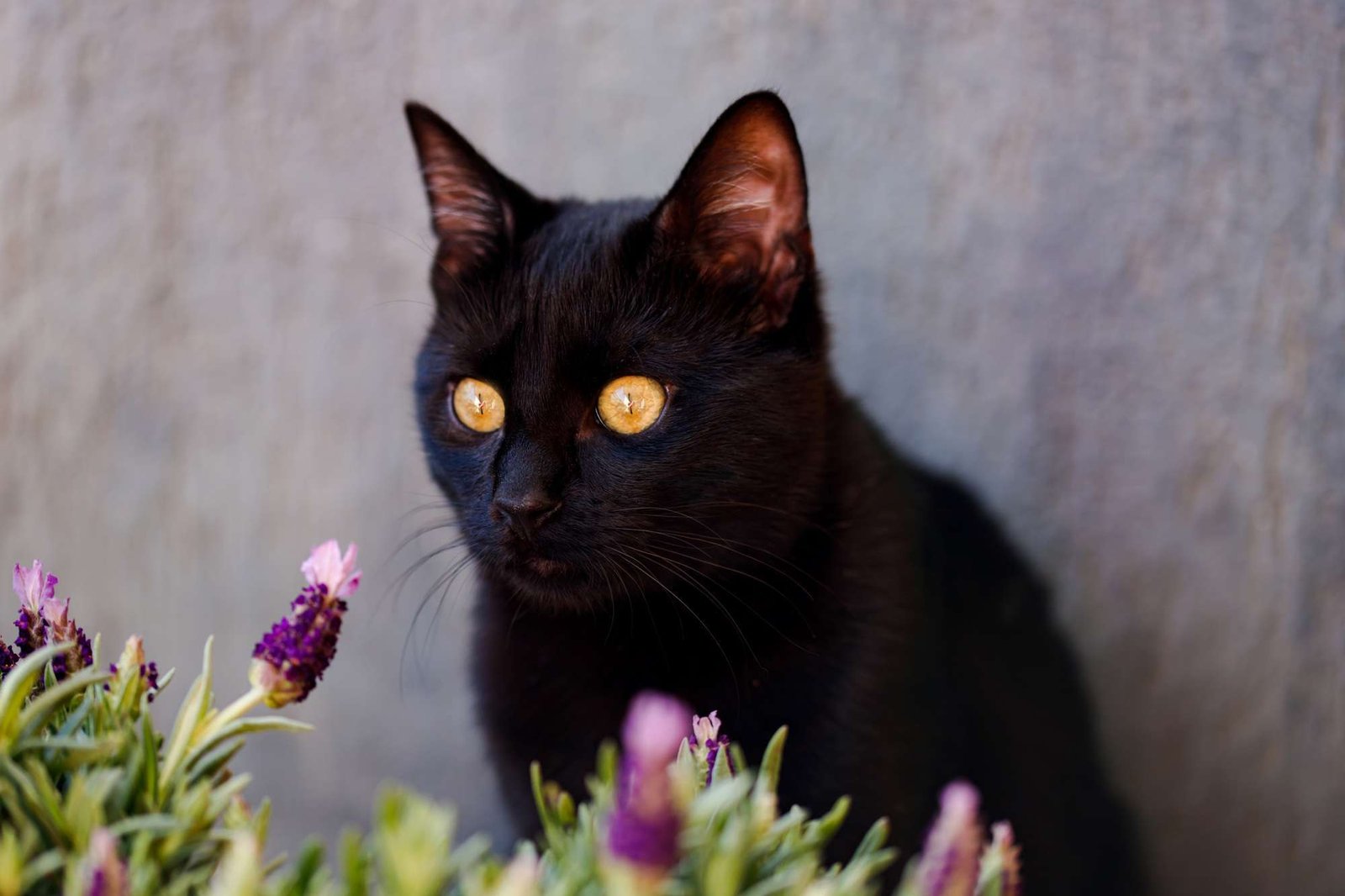


As the autumn leaves fall and Halloween decorations appear, there’s another important occasion that deserves our attention: National Black Cat Day. Observed annually on October 27th, this special day shines a spotlight on one of the most misunderstood and underappreciated members of the feline world. National Black Cat Day isn’t just about admiring these sleek, beautiful creatures — it’s about addressing the unfortunate stigma that has followed them through history and celebrating the unique joy they bring to their human companions.
- The Troubling History Behind National Black Cat Day
- The Marvel of Midnight Fur: Why Black Cats Are Special
- Cultural Representations: From Superstition to Celebration
- The Special Bond Between Humans and Black Cats
- Why Adopting a Black Cat Can Be a Rewarding Experience
- Black Cat Care: Special Considerations
- How to Celebrate National Black Cat Day
- Famous Black Cats Who Have Changed Perceptions
- The Science Behind the Superstition: Why We Need National Black Cat Day
- A Look Forward: The Future for Black Cats
- Conclusion: Why Every Day Should Be National Black Cat Day
The Troubling History Behind National Black Cat Day

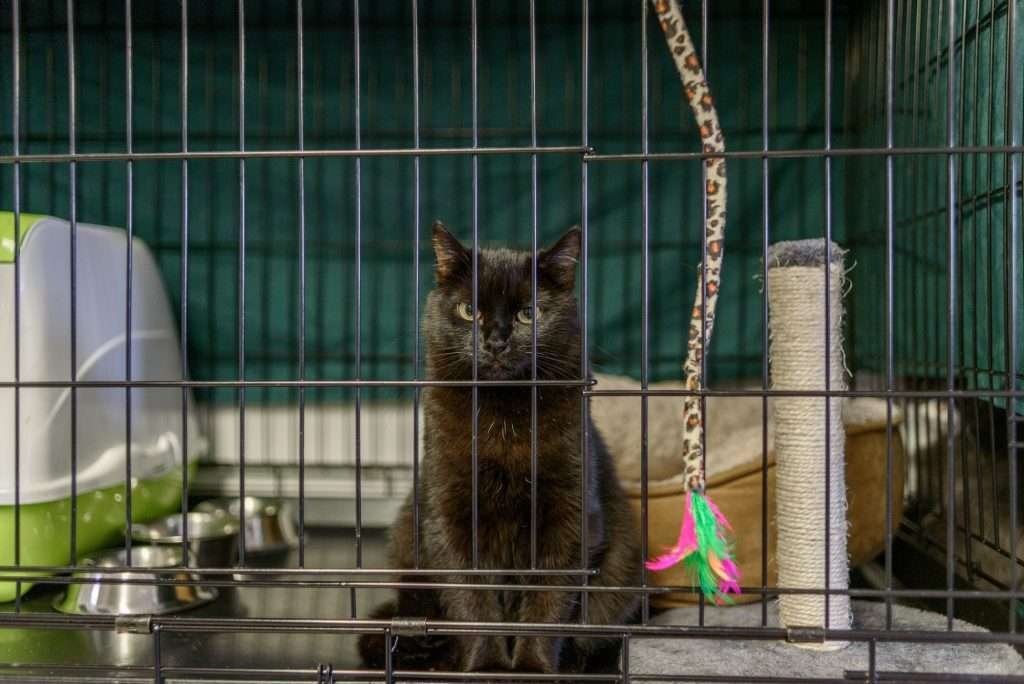
The creation of National Black Cat Day stems from a troubling reality: black cats consistently face lower adoption rates and longer shelter stays compared to cats of other colors. Animal welfare organizations established this awareness day to help combat the superstitions and misconceptions that have unfairly plagued these animals for centuries.
The statistics tell a sobering story. According to data from various animal shelters across the country, black cats typically wait 10-13% longer to be adopted than cats with other coat colors. During October, some shelters even suspend or restrict black cat adoptions due to concerns about Halloween-related adoption requests with potentially harmful intentions.
These adoption challenges can be traced back to deeply entrenched superstitions. In medieval Europe, black cats became associated with witchcraft and bad luck — a connection that somehow persisted into modern times. In some cultures, a black cat crossing one’s path is still considered an omen of misfortune. These baseless beliefs have real consequences for the thousands of black cats waiting in shelters for their forever homes.
RELATED: White Cats: 11 Ways to Understand These Rare Feline Beauties
The Marvel of Midnight Fur: Why Black Cats Are Special

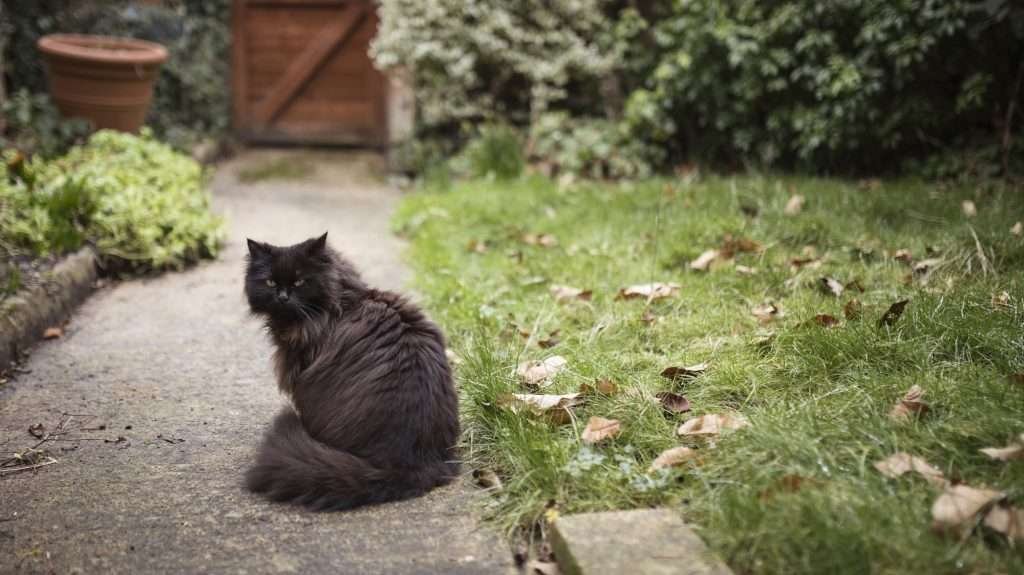
One of the most fascinating aspects of black cats that National Black Cat Day celebrates is the genetics behind their striking appearance. The gene responsible for black fur, called the melanin gene, can offer some health benefits. Some research suggests that the genetic mutations that cause black coat coloration may be linked to greater resistance to certain diseases. Nature’s engineering at its finest!
The melanin in their fur creates that distinctive shine that seems to absorb and reflect light in the most captivating ways. No two black cats are exactly alike — look closely and you might notice rusty undertones in the sunlight, tabby patterns hiding beneath the darkness, or even scattered white hairs creating a starry night effect on their ebony coats.
Beyond their appearance, many black cat owners report distinctive personality traits in their midnight-colored companions. While each cat is an individual with their own unique character, black cats are often described as particularly affectionate, intelligent, and playful. Many develop strong bonds with their human companions, becoming deeply loyal family members who offer comfort during life’s most challenging moments.
Cultural Representations: From Superstition to Celebration

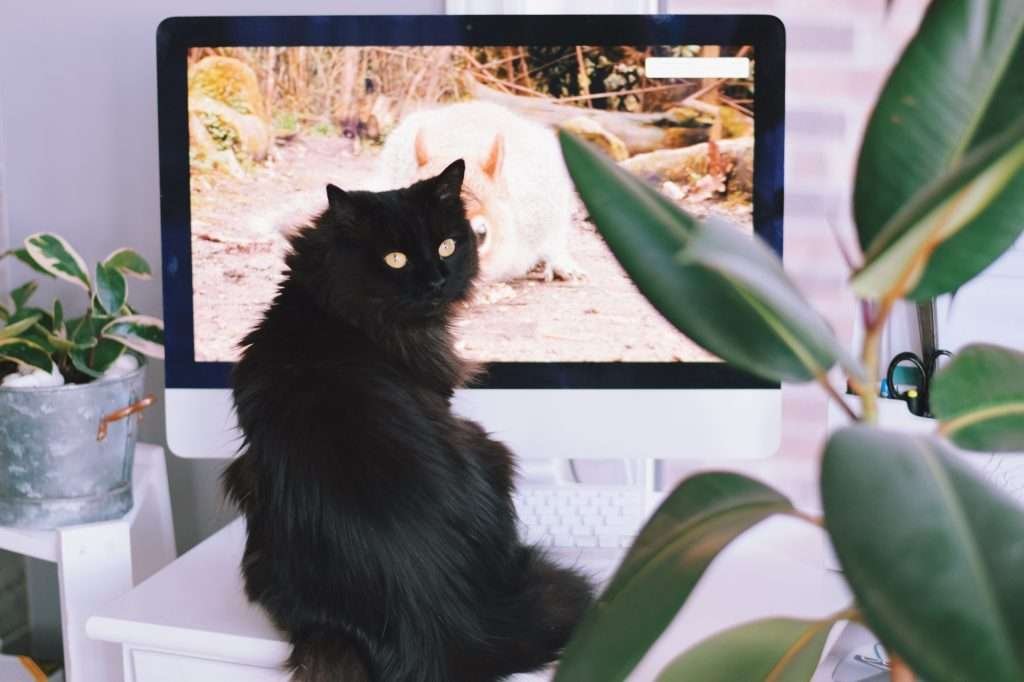
National Black Cat Day offers an opportunity to examine how our perception of black cats varies dramatically across cultures and time periods. While Western traditions often cast them in a negative light, other cultures hold black cats in high esteem.
In ancient Egypt, black cats were revered and associated with the goddess Bastet, who represented protection, fertility, and motherhood. Harming a cat — especially a black one — was considered a serious crime. Japanese culture sees black cats as good luck, particularly for single women seeking suitors. British sailors historically welcomed black cats aboard their ships, believing they ensured safe voyages.
Even in Western pop culture, not all black cat representations are negative. From the sassy Thackery Binx in “Hocus Pocus” to the loyal familiar Salem in “Sabrina the Teenage Witch,” black cats have found their way into our hearts through media that portrays them as intelligent, loyal companions rather than harbingers of doom.
National Black Cat Day encourages us to embrace these positive cultural representations and leave the superstitions behind. After all, a cat’s character has nothing to do with its coat color and everything to do with its individual personality and the love it receives.
The Special Bond Between Humans and Black Cats
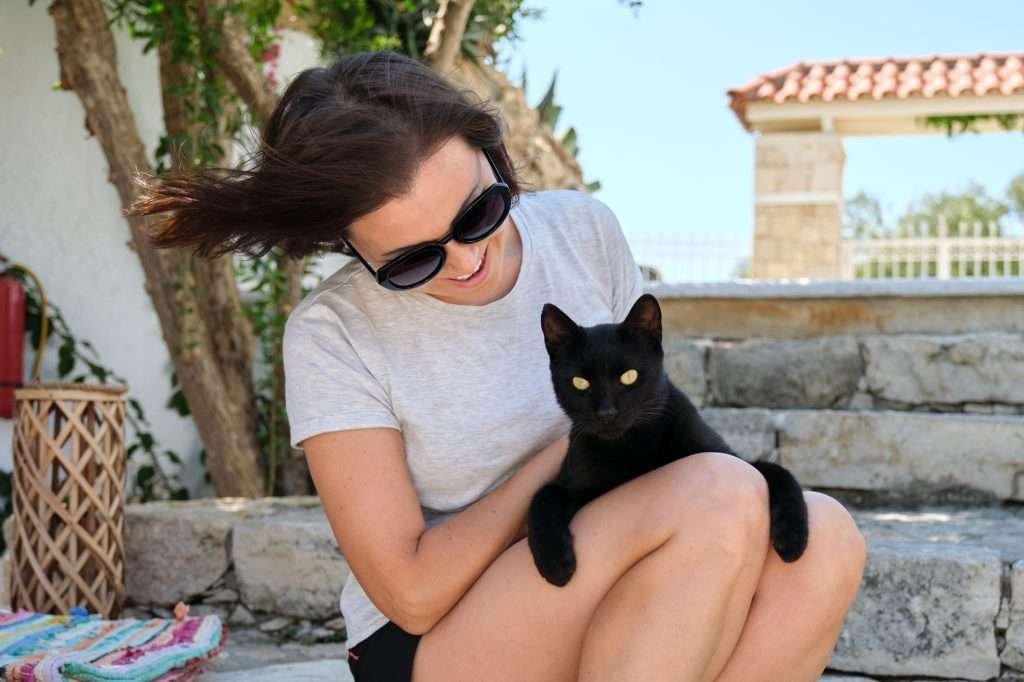
Ask any black cat owner about their feline companion, and you’ll likely hear stories of extraordinary connection. There seems to be something special about the bond that forms between humans and these ebony-coated creatures. Perhaps it’s because black cat adopters often make their choice specifically to defy superstition, creating a relationship founded on protection and advocacy from day one.
Sarah Johnson, a veterinary technician from Portland, shares: “After working in shelters for years and seeing how black cats were constantly overlooked, I decided my first adopted pet would be a black cat. Six years later, my Dex has been with me through a career change, two moves, and a marriage. He seems to sense when I need support and appears at just the right moment. There’s a depth to our connection that I can’t quite explain.”
This sentiment echoes across countless households where black cats have found their homes. Many owners describe their black cats as particularly empathetic, noting their uncanny ability to offer comfort during difficult times. Some even report their black cats serving as natural therapy animals, helping them through anxiety, depression, or grief.
National Black Cat Day celebrates these profound connections and encourages potential adopters to look beyond superstition to discover the remarkable companionship these animals can provide.
Why Adopting a Black Cat Can Be a Rewarding Experience
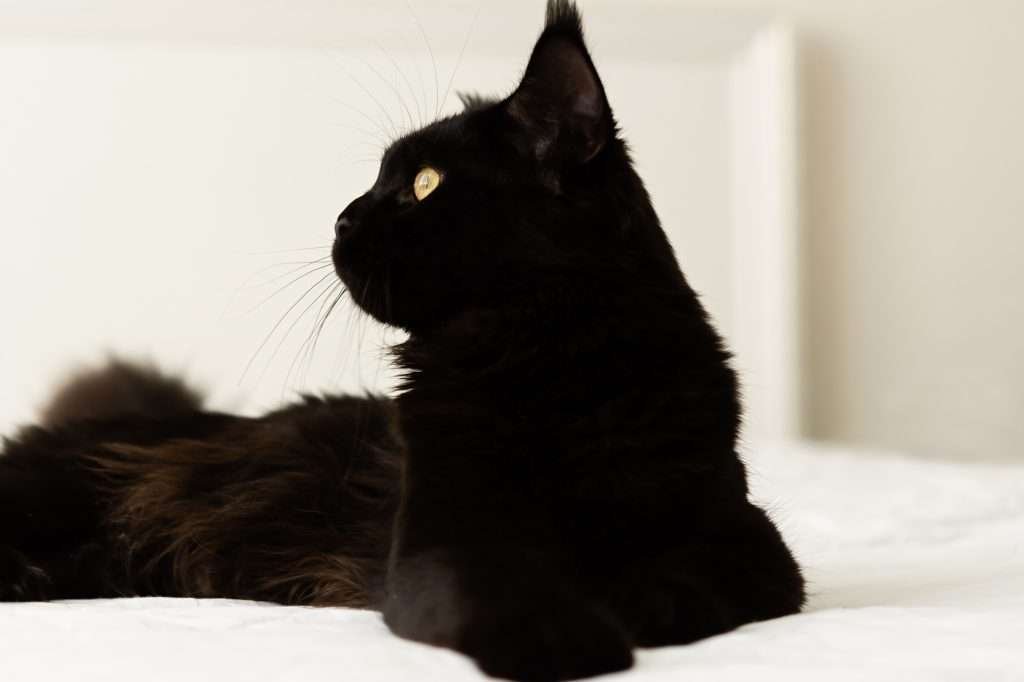
If National Black Cat Day inspires you to consider adding a noir-colored companion to your family, you’ll be joining a passionate community of black cat enthusiasts who will tell you it’s one of the best decisions they’ve ever made.
Adopting a black cat offers unique rewards beyond the general benefits of feline companionship. There’s the satisfaction of knowing you’ve chosen an animal that statistically had lower chances of adoption, potentially saving a life that might have been overlooked by others. Many adopters report a sense that their black cats seem especially grateful for their homes, though this may be more about perception than feline psychology.
Black cats also make striking visual companions. Their sleek coats require minimal maintenance yet always look elegant. They photograph beautifully in the right lighting (despite the challenges of capturing their features), making them Instagram-worthy pets for those inclined to share their lives on social media. Many owners find creative ways to highlight their cat’s features, using natural light to capture the hidden colors and patterns in their seemingly solid coats.
From a practical standpoint, black cat owners enjoy the added benefit of a pet whose fur doesn’t show prominently on black clothing — a small but appreciated perk for professionals with dark wardrobes!
Black Cat Care: Special Considerations

While celebrating National Black Cat Day, it’s worth noting a few special considerations for black cat care. Although these magnificent felines don’t require drastically different attention than other cats, there are some nuances worth understanding.
Health monitoring can sometimes be more challenging with black cats. Their dark fur may make it harder to spot skin issues, parasites, or injuries upon casual inspection. This means black cat owners should make regular gentle examinations of their pet’s skin and coat a priority, perhaps using a bright light to help see through the dark fur.
Black cats that spend time outdoors may face additional risks during Halloween season or in areas where superstitions run strong. Many veterinarians and animal welfare organizations recommend keeping black cats indoors during October, particularly around Halloween, as a precautionary measure against potential harm from those with ill intentions.
On a lighter note, photography enthusiasts who want to capture their black cat’s beauty may need to adjust their technique. The challenge of photographing black cats — capturing their expressive eyes and facial features without losing them to shadows — has spawned entire online tutorials. Proper lighting, particularly natural window light, can make all the difference in highlighting the subtle beauty of a black cat’s features.
How to Celebrate National Black Cat Day

Whether you already share your home with a miniature panther or simply appreciate these beautiful animals from afar, there are meaningful ways to participate in National Black Cat Day celebrations:
Consider adoption if you’re in a position to provide a loving home. Visit local shelters and specifically ask to meet their black cats, who may have been waiting longer than their more colorfully coated counterparts.
If adoption isn’t possible, donations to shelters make a significant difference. Consider sponsoring black cats’ adoption fees to make them more appealing to potential adopters, or donate black cat-themed goods like beds or toys that can travel with these cats to their forever homes.
Volunteering at a shelter, particularly helping to create appealing photographs and descriptions of black cats waiting for adoption, can dramatically improve their chances of finding homes.
Share positive black cat stories and images on social media using hashtags like #NationalBlackCatDay and #BlackCatsRule to help reshape public perception. Personal testimonials about the joy of living with black cats can be powerful tools for changing hearts and minds.
For current black cat owners, this day provides a perfect excuse to spoil your ebony companion. Consider a new toy, a special treat, or simply extra cuddle time to acknowledge the joy they bring to your life.
Educational outreach matters too — take time to gently correct misperceptions about black cats when you encounter them, sharing facts rather than judgment to help others move beyond superstition.
Famous Black Cats Who Have Changed Perceptions
Throughout history and pop culture, certain black cats have helped reshape public perception, proving that these animals deserve celebration rather than fear. National Black Cat Day offers a perfect opportunity to highlight these feline ambassadors.
Cole of the famous Instagram duo Cole and Marmalade helped change countless minds about black cat superstitions. Through their social media presence, Cole’s human parents shared his playful personality and sweet nature with millions, directly combating negative stereotypes while raising awareness about adoption.
Literary black cats have made their mark as well. Behemoth from Mikhail Bulgakov’s “The Master and Margarita” is a shape-shifting, vodka-drinking, chess-playing black cat who has become one of literature’s most memorable feline characters —complex, mischievous, and far more than a simple symbol of superstition.
In the political sphere, India’s “Diplomatic Cat” was a black cat who took residence at the British Embassy in New Delhi and became something of an unofficial mascot, receiving fan mail and appearing in newspaper articles that helped normalize the image of black cats in the public eye.
Even in the digital age, black cats continue to find fame. Basement Cat, a meme featuring a black cat peering from darkness, transformed potential sinister associations into humor, helping younger generations move beyond outdated superstitions.
These famous felines serve as ambassadors not just for black cats but for the idea that our cultural attitudes can and should evolve beyond ancient superstitions.
The Science Behind the Superstition: Why We Need National Black Cat Day
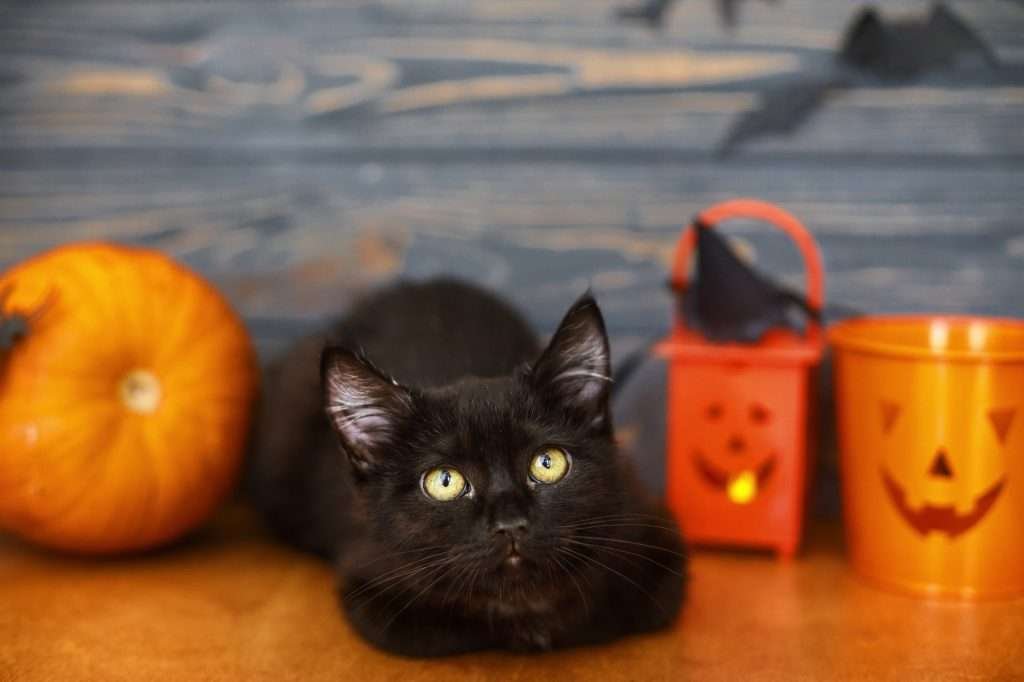
The persistence of black cat superstitions offers a fascinating glimpse into human psychology and the way we process fear. Cognitive scientists suggest that superstitions often arise as attempts to create order and predictability in a chaotic world. The association between black cats and misfortune likely developed because their dark coloration made them harder to see at night, creating startling encounters that were then attributed to supernatural causes.
Color psychology also plays a role. Across many cultures, darkness and the color black have become associated with the unknown, death, and mystery —associations that unfortunately transferred to animals with black coloration. This unconscious bias affects not just cats but black dogs as well, who similarly face longer shelter stays than their lighter-colored counterparts.
National Black Cat Day serves an important psychological function by directly confronting these unconscious biases. By creating positive associations with black cats — celebrating their beauty, highlighting their loving nature, sharing success stories—the day helps rewrite cultural narratives that have persisted for centuries.
Research in prejudice reduction suggests that positive exposure is one of the most effective ways to overcome bias. Each story shared, each image posted, and each black cat adopted on National Black Cat Day contributes to this gradual but important shift in perception.
A Look Forward: The Future for Black Cats
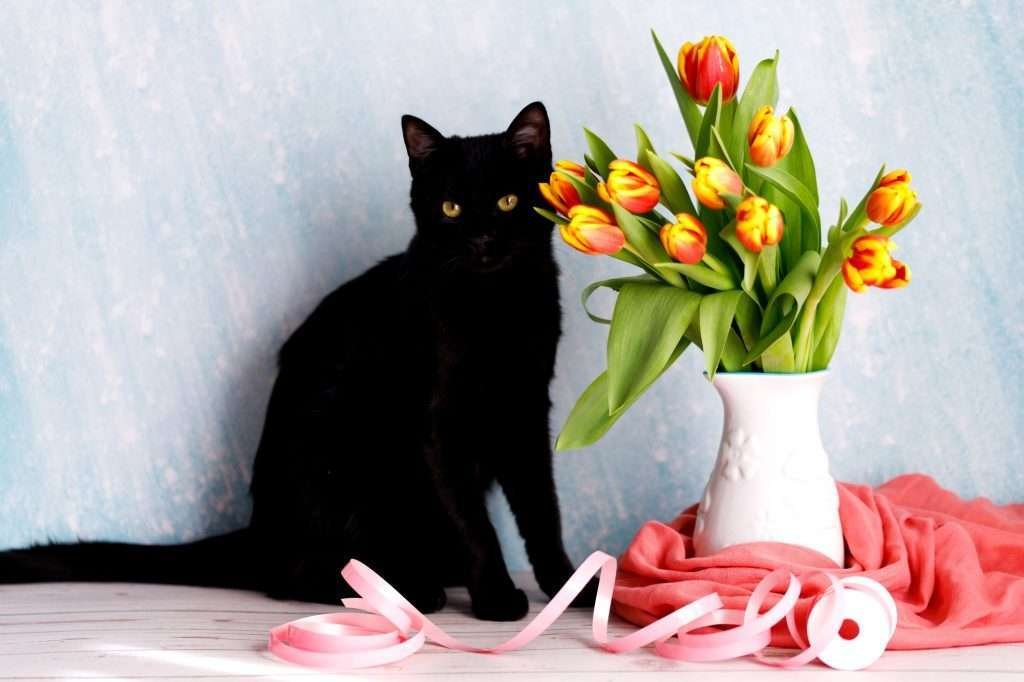
As we celebrate National Black Cat Day this year, there are hopeful signs that perceptions are indeed changing. Many shelters report that focused campaigns around black cats have begun to make a difference, with adoption rates slowly improving. The popularity of black cats in social media — with hashtags like #BlackCatAppreciationDay and #HouseParther gaining traction — suggests a generational shift away from superstition.
Some shelters have taken innovative approaches, rebranding black cats as “house panthers” or “mini panthers” to highlight their exotic beauty. Others have created successful adoption events specifically themed around black cats, finding that focusing on their positive attributes rather than the negative superstitions makes a significant difference in adoption outcomes.
The veterinary community also continues to research the genetic advantages potentially carried by black cats, with some studies suggesting connections between their coloration and immune system strengths. As scientific understanding grows, it may provide even more reasons to appreciate these remarkable animals.
Each National Black Cat Day builds on this momentum, creating a future where a cat’s color has no bearing on its adoptability — a future where every cat is judged solely on its individual personality and fit with a potential family.
Conclusion: Why Every Day Should Be National Black Cat Day

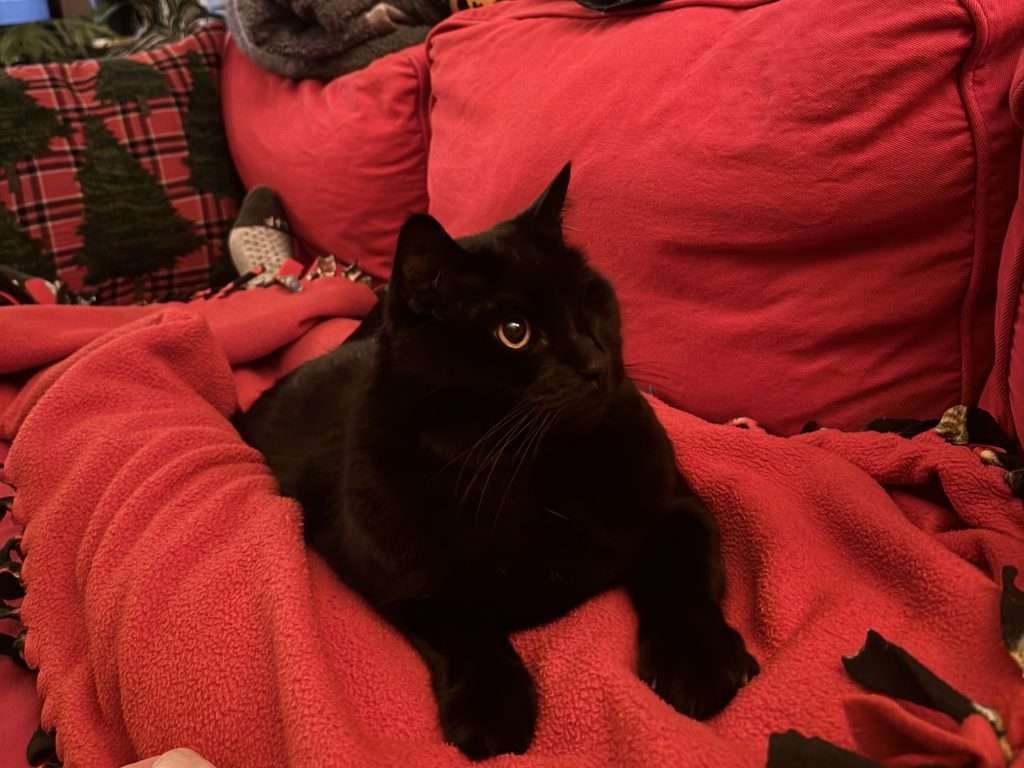
While October 27th officially marks National Black Cat Day, the spirit of this celebration deserves to extend throughout the year. These remarkable animals, with their gleaming coats and often sensitive personalities, have endured centuries of misplaced superstition. They’ve been patient through humanity’s fear and ignorance, waiting for us to recognize what many cat lovers have always known —that a black cat crossing your path might just be the best luck you’ll ever have.
If this National Black Cat Day inspires even one person to visit a shelter and give a chance to a cat that might otherwise be overlooked, it has served its purpose. If it prompts conversations that challenge ancient superstitions with modern understanding, it has moved our culture forward. And if it reminds those who already share their homes with these mini panthers to treasure the special bond they share, it has honored the true spirit of our relationship with companion animals.
The next time you see a black cat, whether in a shelter cage or lounging in a patch of sunlight in a friend’s home, take a moment to appreciate not just their physical beauty but the resilience they represent. In their quiet dignity, these cats have much to teach us about moving beyond fear to find connection, about looking deeper than surface appearances, and about the rewards that come from challenging our inherited biases.
After all, in a world full of superstition, loving a black cat might be the most powerful form of enlightenment.
Stay connected with Caty Chat for regular updates, insights, and stories about the wonderful world of cats.