


What Is Phantom Spraying? A Harmless Display of Feline Affection
You know that moment when you’re just waking up, feeding the fur babies and getting a cup of coffee, and suddenly there’s your cat, tail straight up in the air, doing what looks like the world’s most enthusiastic invisible graffiti against your bedroom wall? Welcome to my mornings with my little one, Isaac, my little feline friend and master of all the phantom spraying cats.
The Morning Ballet: How Isaac Performs His Tippy-Toe Dance
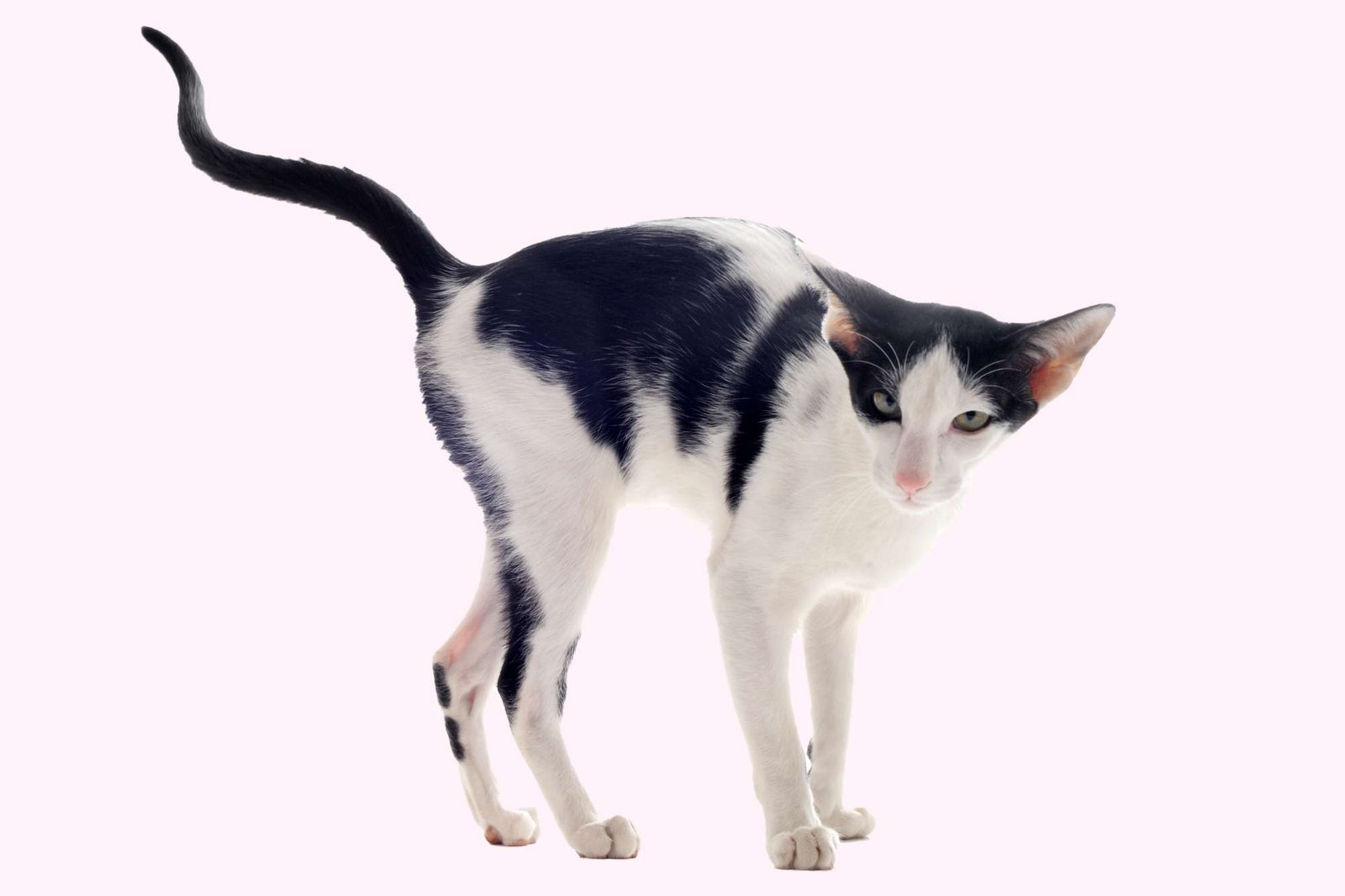
First, let me put your mind at ease – what Isaac and many other cats do isn’t actually spraying in the traditional sense. When my little guy gets excited to see me in the morning or when I return home, he’ll back up to a vertical surface, tail quivering like it’s caught in the wind, and make those signature spraying motions.
But here’s the most adorable part – he does this little tippy-toe dance, lifting his back paws up and down like he’s practicing for tiny cat ballet! It’s as if the joy percolating inside him is so intense that even his feet can’t stay still. This behavior is known as phantom spraying or marking without urine, is actually a delightful (if somewhat amusing) display of pure happiness and social bonding.
The Science Behind Phantom Spraying: Affiliative Behavior Explained
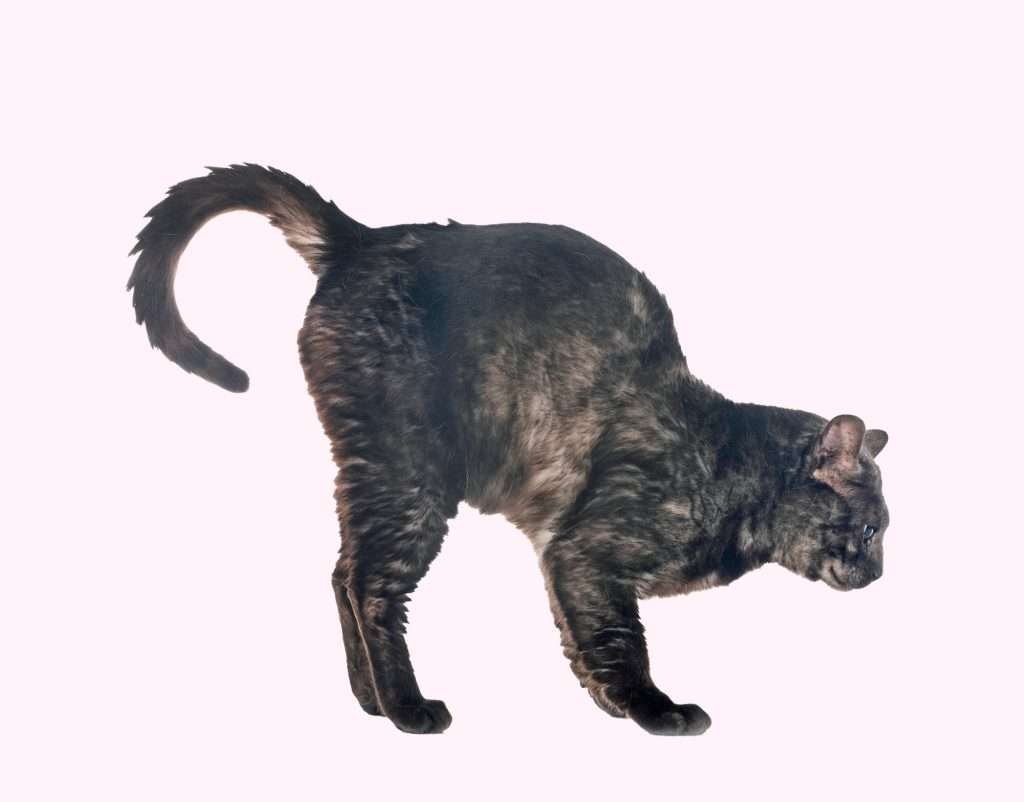
The science behind this behavior is fascinating. While regular spraying involves actual urine marking and is often associated with territory marking or stress, phantom spraying is part of what behaviorists call affiliative behavior – basically, cat language for “I love you so much I can barely contain myself!” The tippy-toe dance that Isaac does is an extra special flourish, showing just how excited and happy he is to see me. When cats phantom spray in response to seeing their favorite humans, they’re engaging in a complex social greeting that has evolved from traditional territorial marking into something entirely different.
RELATED: Cats and Closed Doors: 9 Crazy Solutions for Closed Door Issues
Reading Your Cat’s Body Language: How to Tell Phantom Spraying from Problematic Behaviors
Think of it as the feline equivalent of jumping for joy or running to hug someone you haven’t seen in ages. The key difference between regular spraying and phantom spraying lies not just in the absence of actual spray, but in the body language and context.
When Isaac does his morning performance, complete with his signature tippy-toe routine, his body language is relaxed and happy – there’s no tension, no flattened ears, no signs of stress or aggression. Instead, his tail goes straight up with that characteristic happy quiver at the tip (what I like to call his “happy dance”). He often accompanies his phantom spraying with other signs of contentment like purring, rubbing against my legs, and making little chirping sounds.
Emotional Contagion: How Cats Share Their Joy Through Phantom Marking
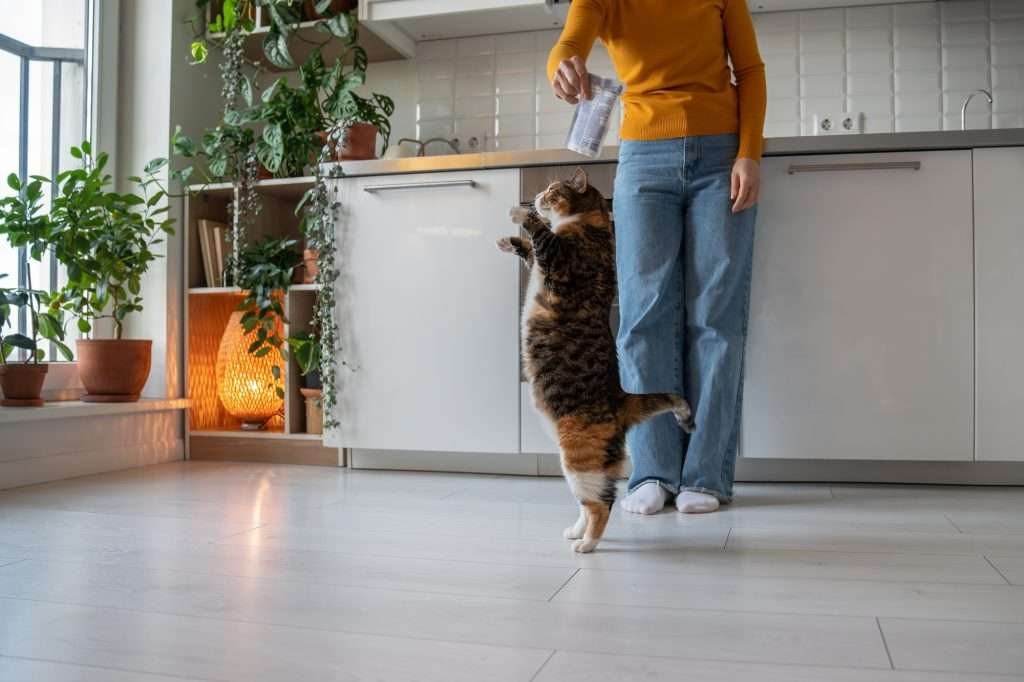
The really interesting part is that this behavior often goes hand in hand with what scientists call “emotional contagion” – the ability to share his sentiment. When Isaac phantom sprays during our morning greetings, prancing on his back toes like a tiny dancer, he’s not just saying hello; he’s actively participating in a moment of joy. This is particularly evident in how he times his performances. It’s at times random; it’s when we’re reuniting after a period apart, whether it’s just waking up or returning home from work.
The Evolution of Spraying: From Territorial Marking to Social Greeting

The evolution of this behavior is so amazing to experience. While traditional spraying serves a territorial or reproductive purpose, phantom spraying has evolved into a purely social gesture. That little tippy-toe dance adds an extra layer of charm to the whole routine – it’s like watching someone who’s so happy they just can’t help but dance. It’s similar to how humans have evolved to smile – what might have started as a threat display in our ancient ancestors (showing teeth) has become a universal sign of friendship and happiness. Similarly, some cats have transformed a once-territorial marking behavior into a sophisticated social signal that communicates comfort, trust, and affection.
The Tippy-Toe Dance: A Special Dance of Feline Affection
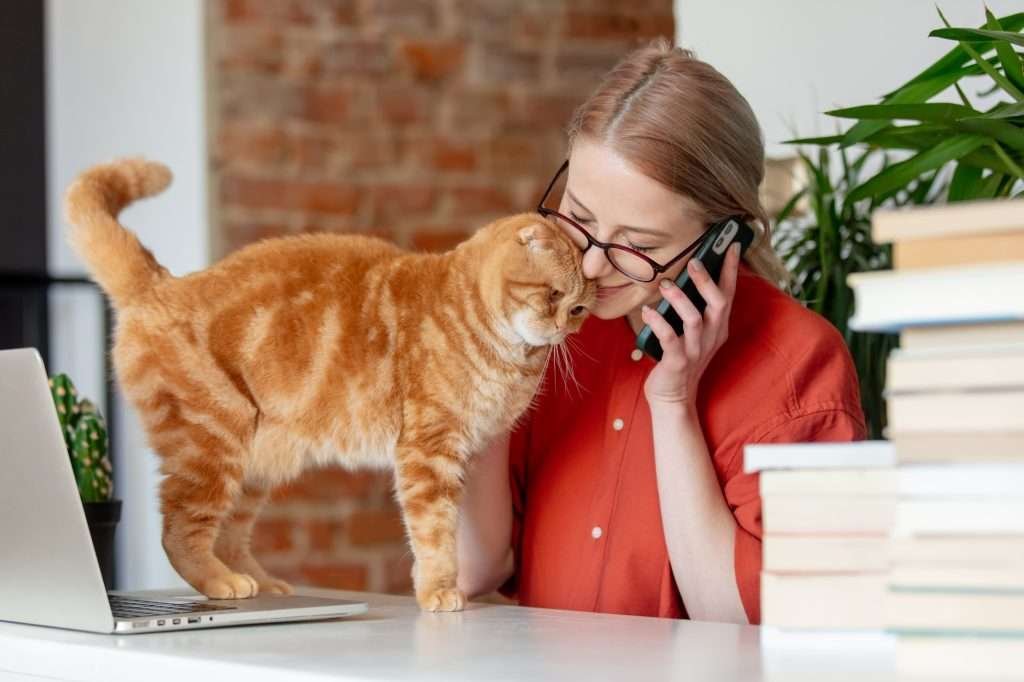
What makes this even more special is that not all cats engage in phantom spraying as a greeting behavior, and even fewer add that adorable tippy-toe dance that Isaac does. Those that do often reserve it for their most trusted companions it’s a sign that your cat feels secure enough in their environment and relationship with you to express their excitement in this unique way. When Isaac performs his daily ritual, dancing on his back toes like a furry little ballerina, he’s essentially saying, “You’re my human, and I’m so happy to see you that I’m going to do this silly dance!”
Is Your Cat’s Phantom Spraying a Compliment? What It Says About Your Bond
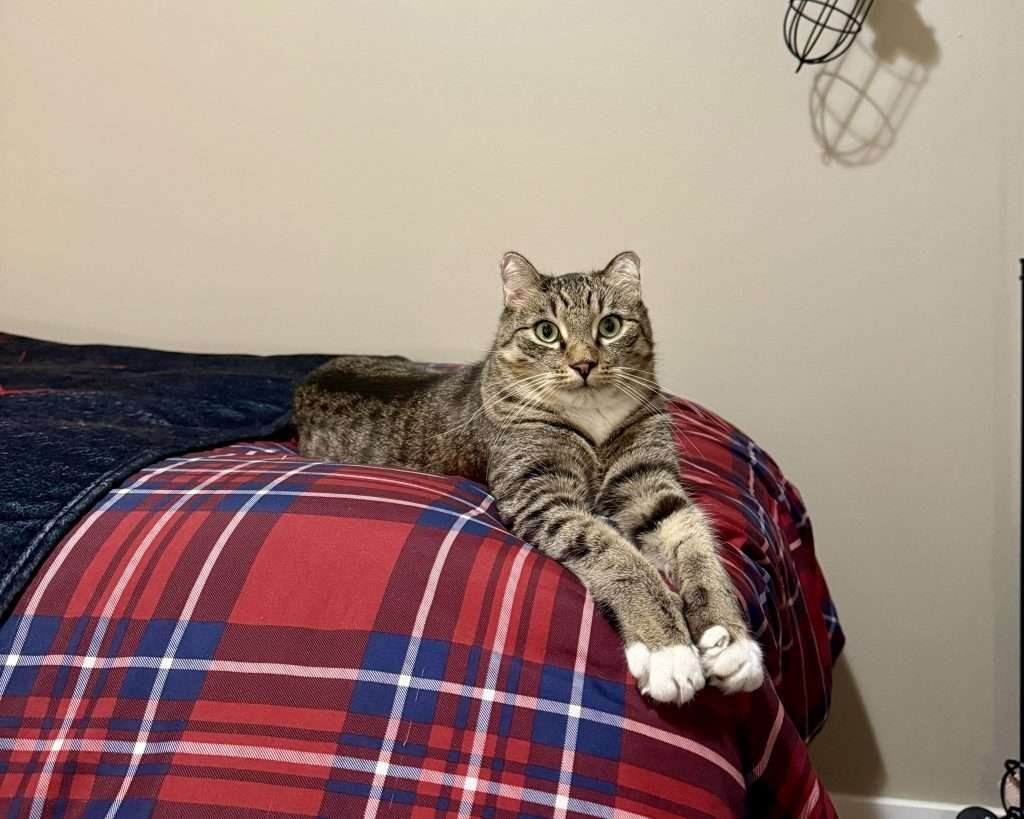
Understanding this behavior has deepened my appreciation for the complexity of feline communication. What might look strange or concerning to uninitiated observers is actually a beautiful testament to the bond between cats and their humans. It’s a reminder that our feline friends have developed their own special ways of expressing affection, even if those ways sometimes look a bit peculiar to us.
Appreciating the Complexity of Feline Communication
So the next time you see your cat backing up to a wall with their tail quivering in excitement, possibly even rising up on their tippy-toes in pure joy, remember: you’re not witnessing a territorial display or anything concerning. You’re being treated to one of the most sincere forms of feline flattery – a happy dance that says “You’re my favorite human, and I just can’t hide it!” As for Isaac, he continues to start my mornings with his signature phantom sprays and tippy-toe ballet, and honestly, I wouldn’t have it any other way. It’s just one of the many quirky love languages that makes our bond so special.
Join the Conversation!
Does your cat have their own special way of saying “I love you”? I’d love to hear about your experiences with phantom spraying or other unique feline behaviors! Share your stories in the comments below.
Some conversation starters:
- Does your cat do the tippy-toe dance too?
- What’s your cat’s favorite way to greet you in the morning?
- Have you ever been confused by phantom spraying before learning what it meant?
- Share your favorite “my cat is so weird but I love them” moment!
Remember, every cat has their own personality and way of showing affection. Whether it’s phantom spraying, making biscuits or muffins as I like to call them, or chattering at birds, these quirks make our feline friends uniquely lovable. Let’s celebrate our cats’ adorable oddities together!
Comments are moderated to ensure a supportive, kind environment for all.
If you enjoyed this article, feel free to share it with other cat lovers who might be wondering about their own kitty’s phantom spraying antics! And don’t forget to follow my blog for more stories about life with Isaac, Matisse and Dexter and insights into our feline friends’ fascinating behaviors.
Stay connected with Caty Chat for regular updates, insights, and stories about the wonderful world of cats.


So this is what my boy has been doing all this time. Crazy! I thought he was spraying at first but then there wasn’t anything there when I checked. Good to know I’m not going cray! 😆