

Matisse’s Journey
When Matisse was diagnosed with small intestine lymphoma in October 2023, my world felt like it had been turned upside down, especially since I had just been down the same road with my little cuddle bug Fia. The word “cancer” can be horrifying, especially when it involves a beloved feline family member. The diagnosis came after weeks of an incredibly challenging and exhausting experience that pushed me to my emotional and physical limits. But through careful treatment and dedicated care, I’m grateful to share that Matisse is now in remission.
1. First Signs: When Something Wasn’t Right
Our journey began with subtle changes – lower energy levels, moderate weight loss, diarrhea, and a decreased appetite. The months leading up to Matisse’s diagnosis were brutal. He was experiencing severe diarrhea daily – and I mean daily. After long workdays, coming home to constant cleanup was emotionally and physically draining. There were moments I felt completely overwhelmed, exhausted beyond measure. Cleaning up multiple diarrhea incidents after a full day of work tested every ounce of my patience and love. Some nights, I would just sit on the floor, surrounded by cleaning supplies and cat shampoo feeling totally defeated and wondering how much more I could handle.
2. The Diagnosis: Understanding Feline Lymphoma

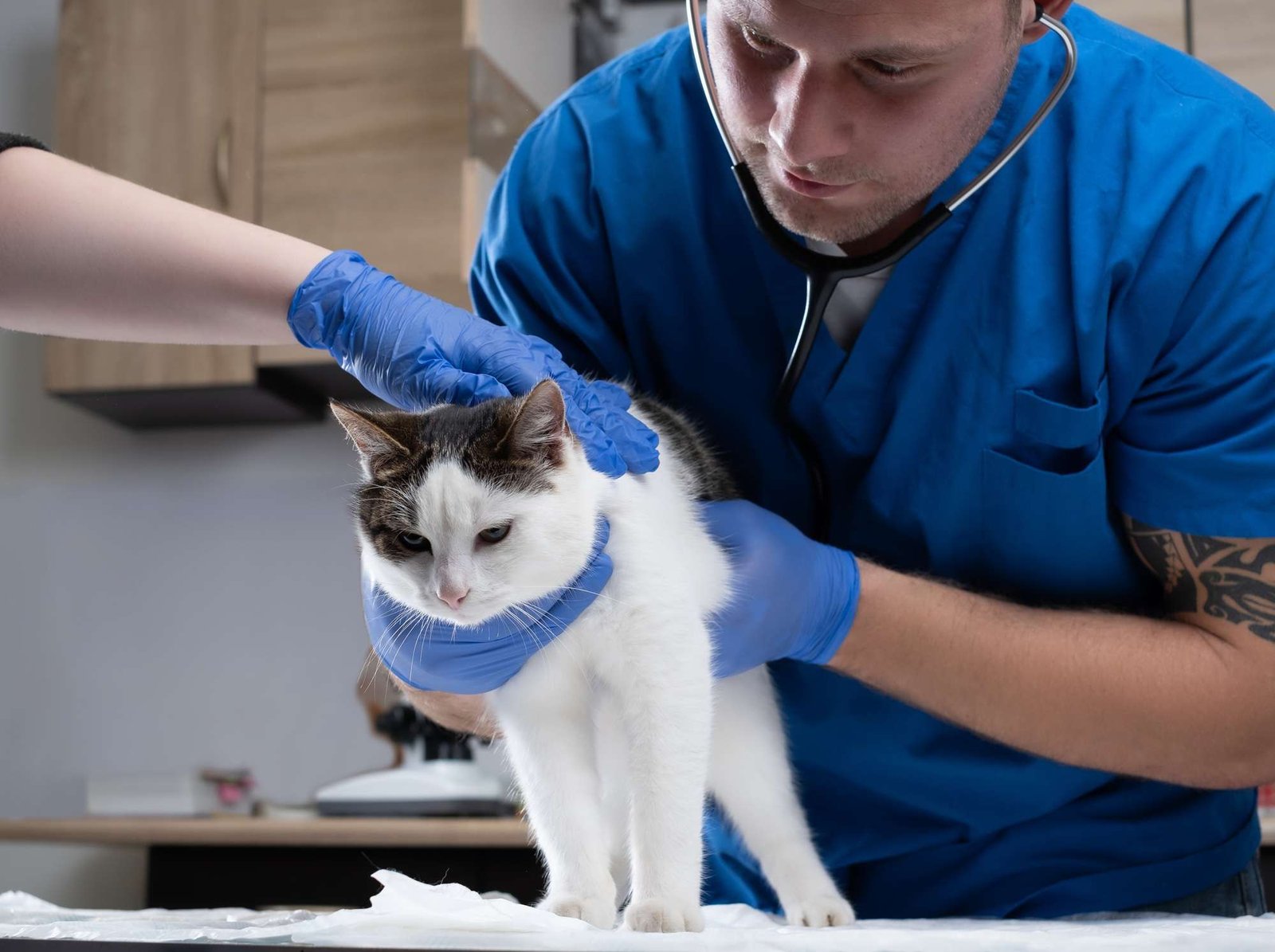
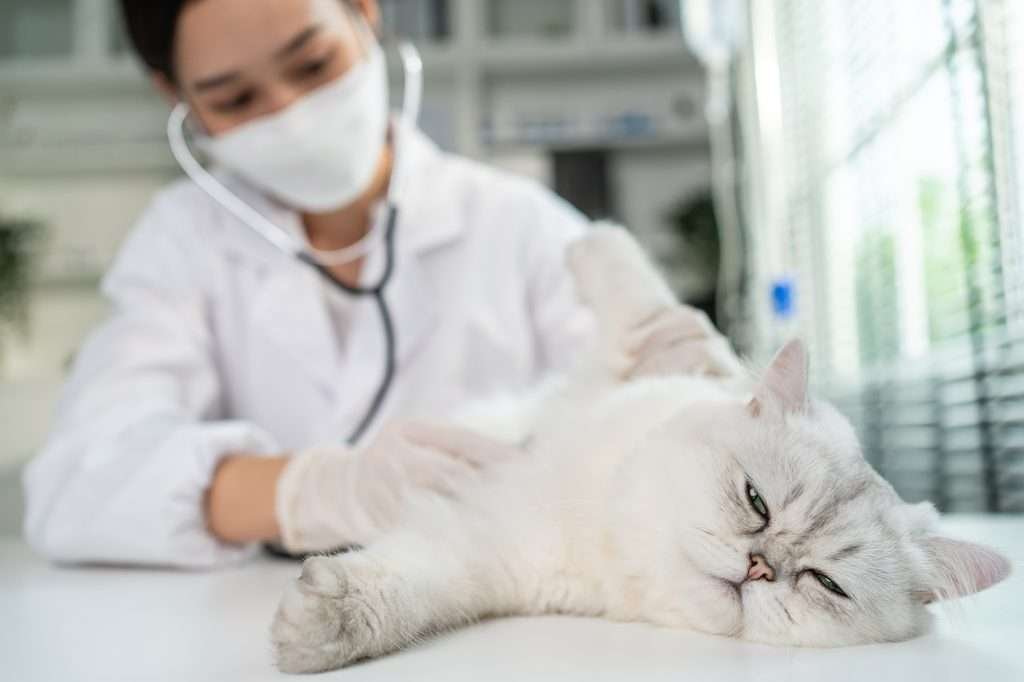
Our veterinarian explained that these digestive issues were likely related to his underlying small intestine lymphoma. These non-specific signs are common with feline lymphoma, and I’m thankful we caught it early. After consulting with our veterinarian, we learned that small intestine lymphoma in cats has a remarkably hopeful prognosis.
The gold standard treatment for Matisse was surprisingly manageable. We opted for oral chlorambucil chemotherapy combined with prednisolone, a treatment that could be administered at home. This approach is less aggressive than human chemotherapy, focusing on maintaining quality of life rather than pursuing an extreme cure.
RELATED: Feline Glaucoma: Dexter’s 6 Inspiring Lessons of Resilience and Adaptation
3. Treatment Options: Gentle Chemotherapy at Home
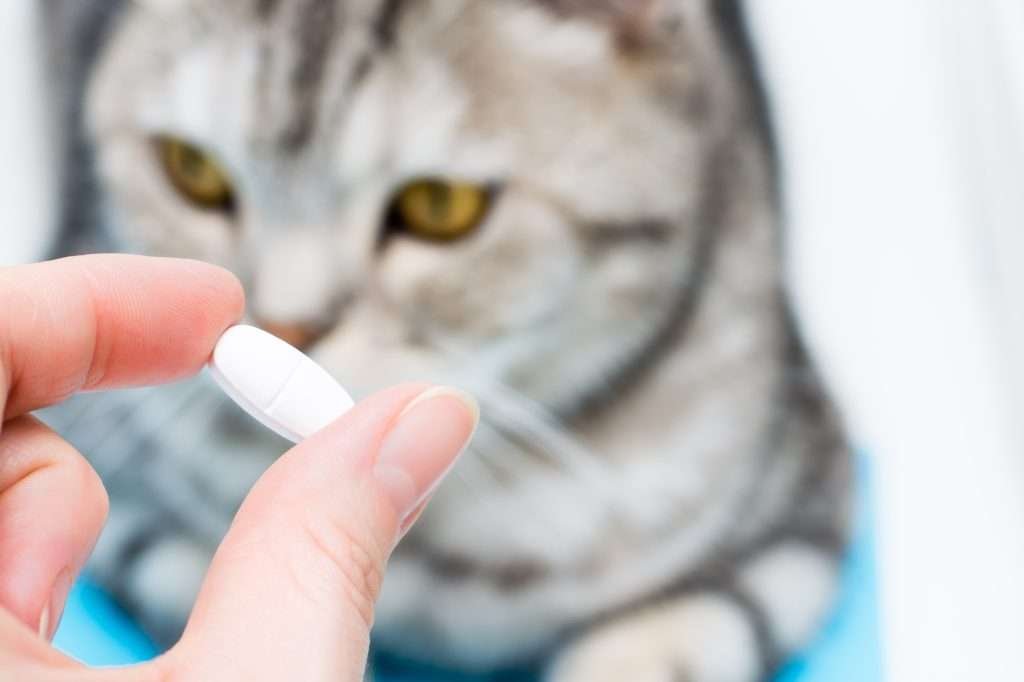
What surprised me most was how well Matisse tolerated the treatment. Remarkably, the treatment not only helped manage his cancer but also significantly improved his digestive issues. Veterinary chemotherapy is dramatically different from human experiences. The dosages are lower, and the approach is gentler. In fact, about 90% of cats experience minimal to no side effects. Matisse was one of the lucky ones – he remained playful and comfortable throughout his treatment.
4. Unexpected Relief: How Treatment Resolved Daily Struggles
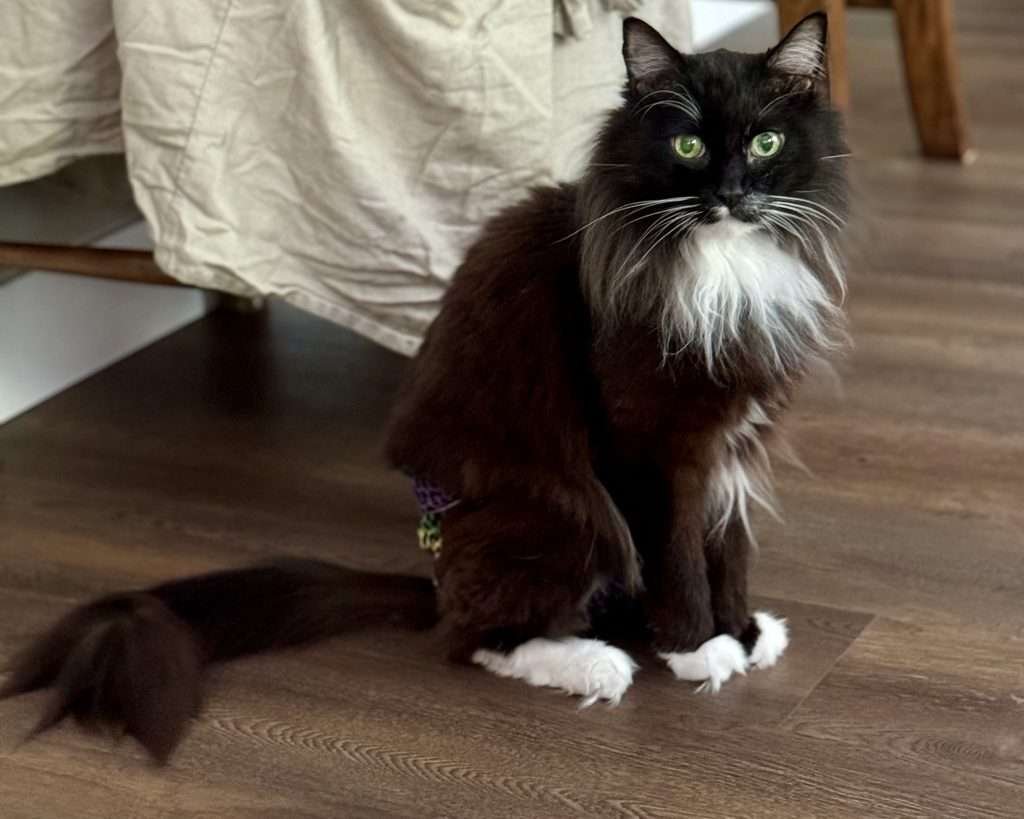
Our treatment goals were clear: minimize discomfort, slow cancer progression, and most importantly, preserve Matisse’s quality of life. The medication protocol we followed typically leads to remission in 90-95% of cats with small intestine lymphoma, with an average remission duration of two years. In the beginning, we went each month, and worked closely with our veterinarian to monitor his progress and adjust treatment as needed.
5. The Remission Victory: 9 Months and Counting
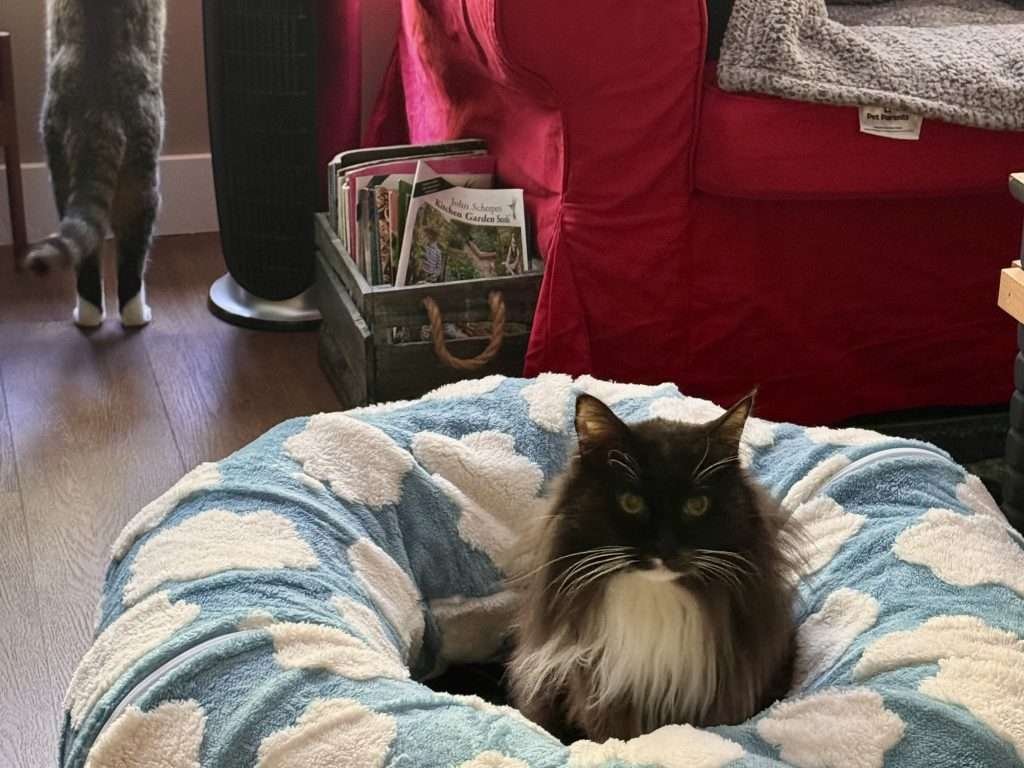
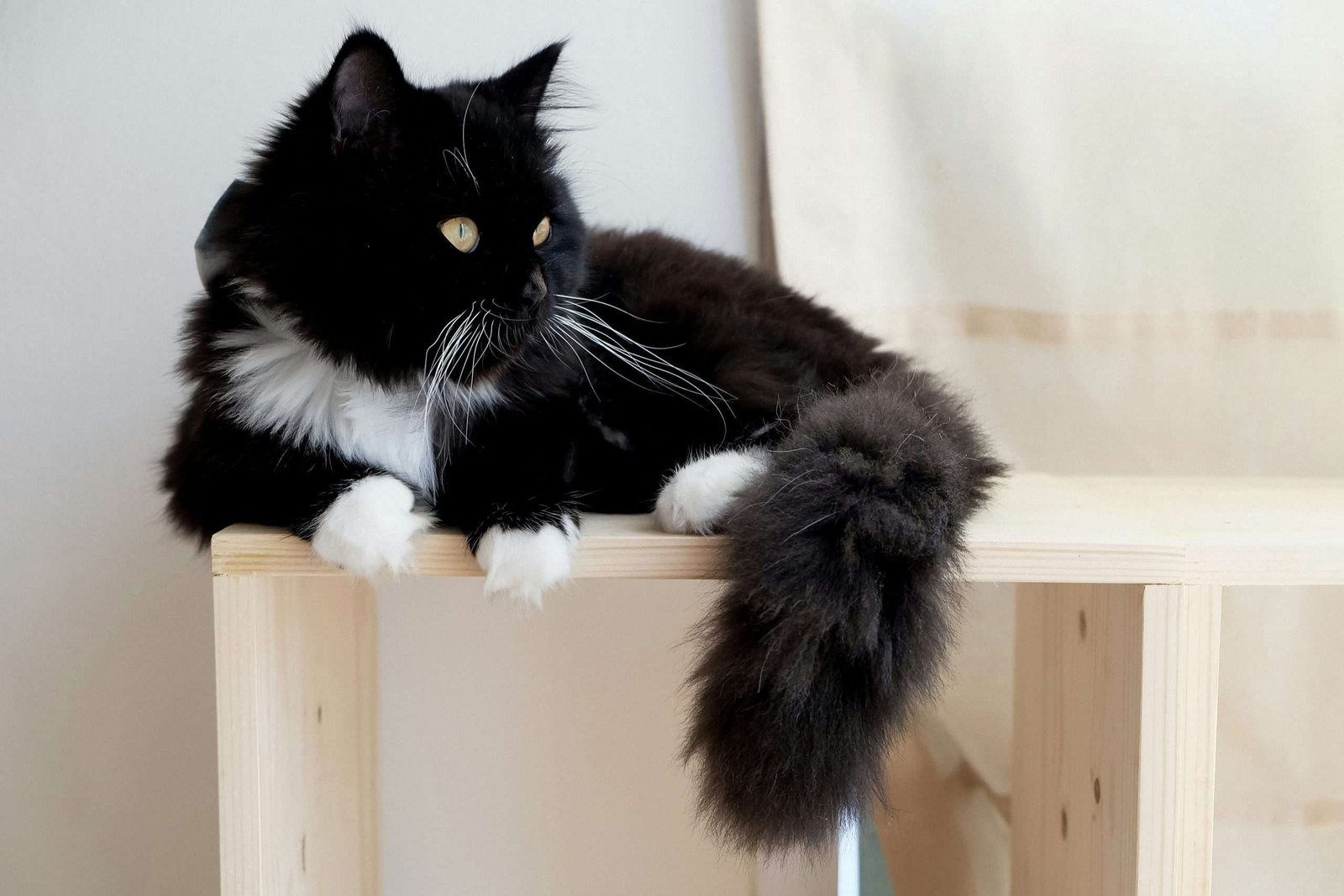
Matisse has been in remission for about 9 months. I truly treasure every day with my little bubba boy and hope to have many more days with him. We have spurts of play time together and he’s happy…and that’s all that matters.
6. Quality of Life: Maintaining Joy Through Treatment

For other pet owners facing a similar diagnosis, I want to offer hope. Don’t be scared by the word “chemotherapy.” In veterinary medicine, it’s a compassionate approach designed to keep your pet comfortable and happy. Always communicate openly with your veterinarian about any concerns or side effects.
Today, Matisse is thriving. He’s back to his playful self, enjoying looking out the window from one of his many beds around the house and demanding his Purina Pro Plan Hydra Care, aka “stuff” AND Gerber turkey baby food with his usual enthusiasm. The daily diarrhea is a distant memory, and our home is peaceful again. Our journey wasn’t just about treating cancer – it was about maintaining his spirit and joy, and finding strength I didn’t know I possessed.
7. Hope for Other Pet Parents: You’re Not Alone
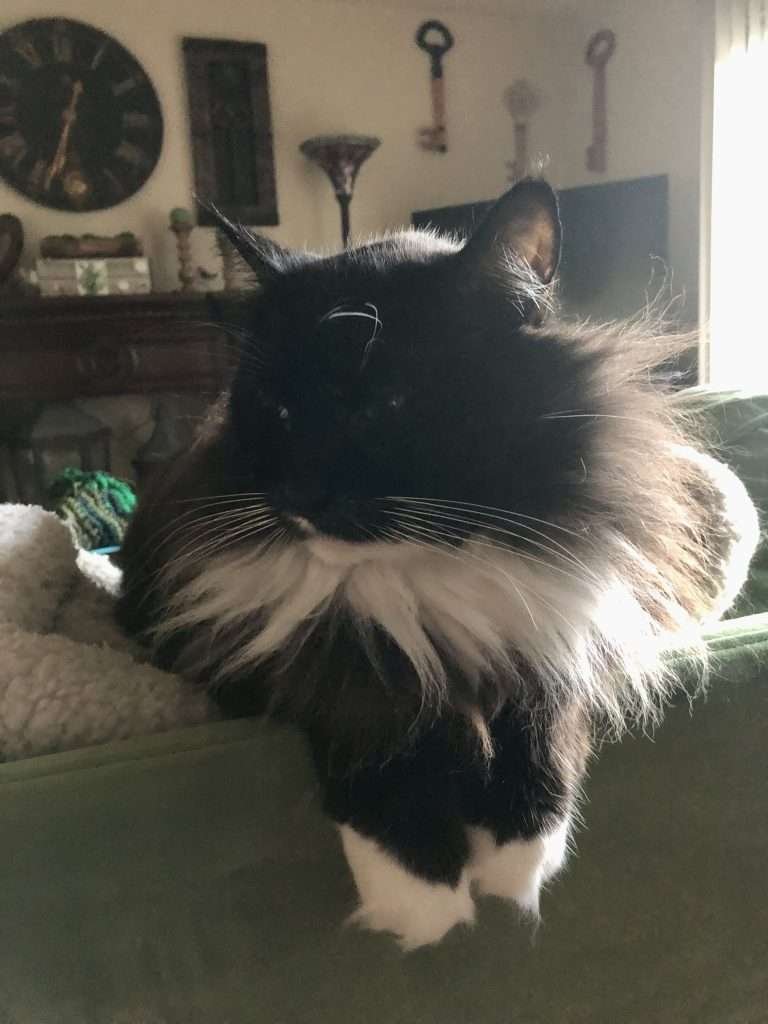
To fellow pet parents facing similar challenges: stay informed, stay hopeful, and never underestimate the power of love in healing. And remember, it’s okay to feel overwhelmed – you’re not alone.
Disclaimer: Always consult with a veterinary professional for specific medical advice tailored to your pet’s individual needs.
Join the Conversation!
Have you ever faced a challenging pet health journey? I’d love to hear from you. Drop a comment below and share your story:
- Have you or someone you know dealt with small intestine lymphoma cancer?
- What was the most challenging aspect of caring for your sick cat?
- How did you find strength during difficult times with your furry companion?
Your experiences and insights could provide comfort and support to other cat parents going through similar challenges. Let’s create a supportive community where we can share, learn, and uplift each other.
Author’s Note: If you found this post helpful, please share it with other cat lovers who might need hope and information. Sometimes, knowing you’re not alone can make all the difference. And don’t forget to follow my blog for more stories about life with Isaac, Matisse and Dexter and insights into our feline friends’ fascinating behaviors.
Comments are moderated to ensure a supportive, kind environment for all.
Stay connected with Caty Chat for regular updates, insights, and stories about the wonderful world of cats.