


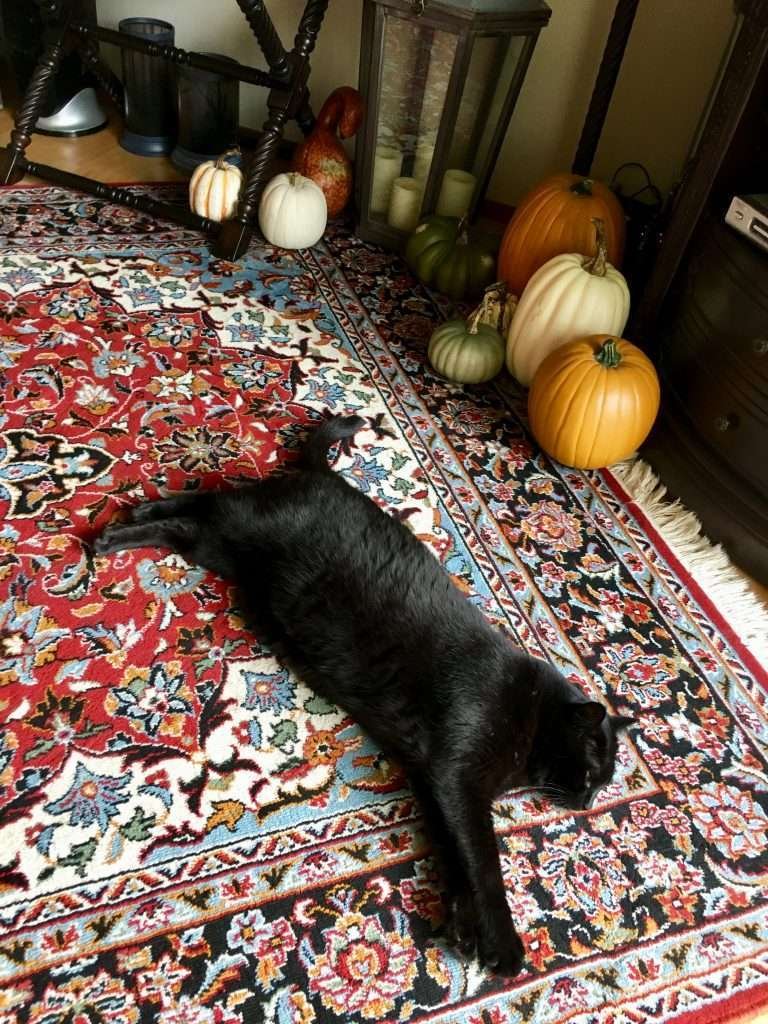
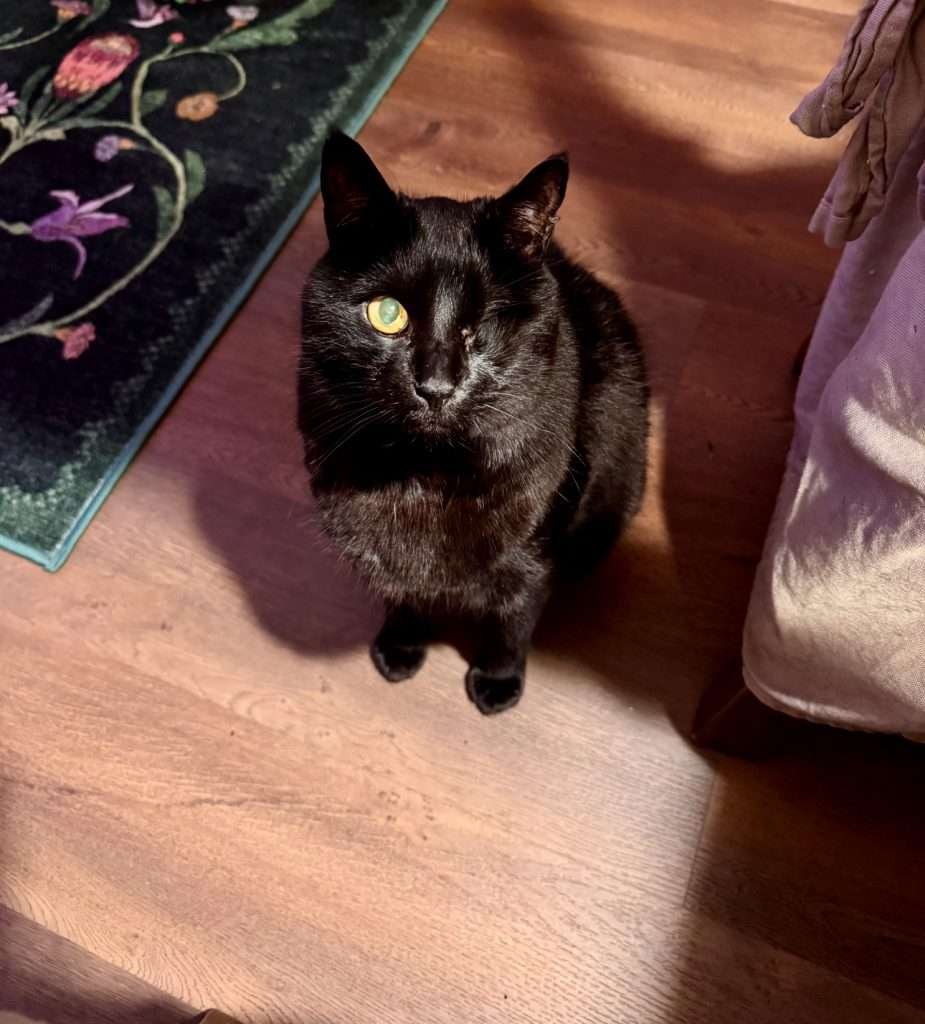
When I brought Dexter home, my black panther “beefcake”, eleven years ago, I had no idea the roller coaster of emotions — and expenses — that would follow. Those big orange eyes staring up at me at the home I picked him up from had me at “meow,” but I was completely unprepared for the financial responsibility that came with my new feline friend.
Like many first-time cat parents, I found myself wondering: is cat insurance actually worth it? After countless vet visits, one emergency visit, and hours of research, I’ve learned a thing or two about navigating the complex world of pet healthcare. Today, I’m sharing my experience to help you decide if cat insurance is right for you and your furry companion.
The Wake-Up Call
It was a regular Tuesday evening when I noticed Dexter wasn’t his usual playful self. Instead of racing around the apartment chasing his toys, he was hiding under the bed. When he finally emerged, I noticed he was crouched in a weird position and his fur looked unkept. I kept a close watch on him for the next few days to see if his behavior changed any, which it did not.
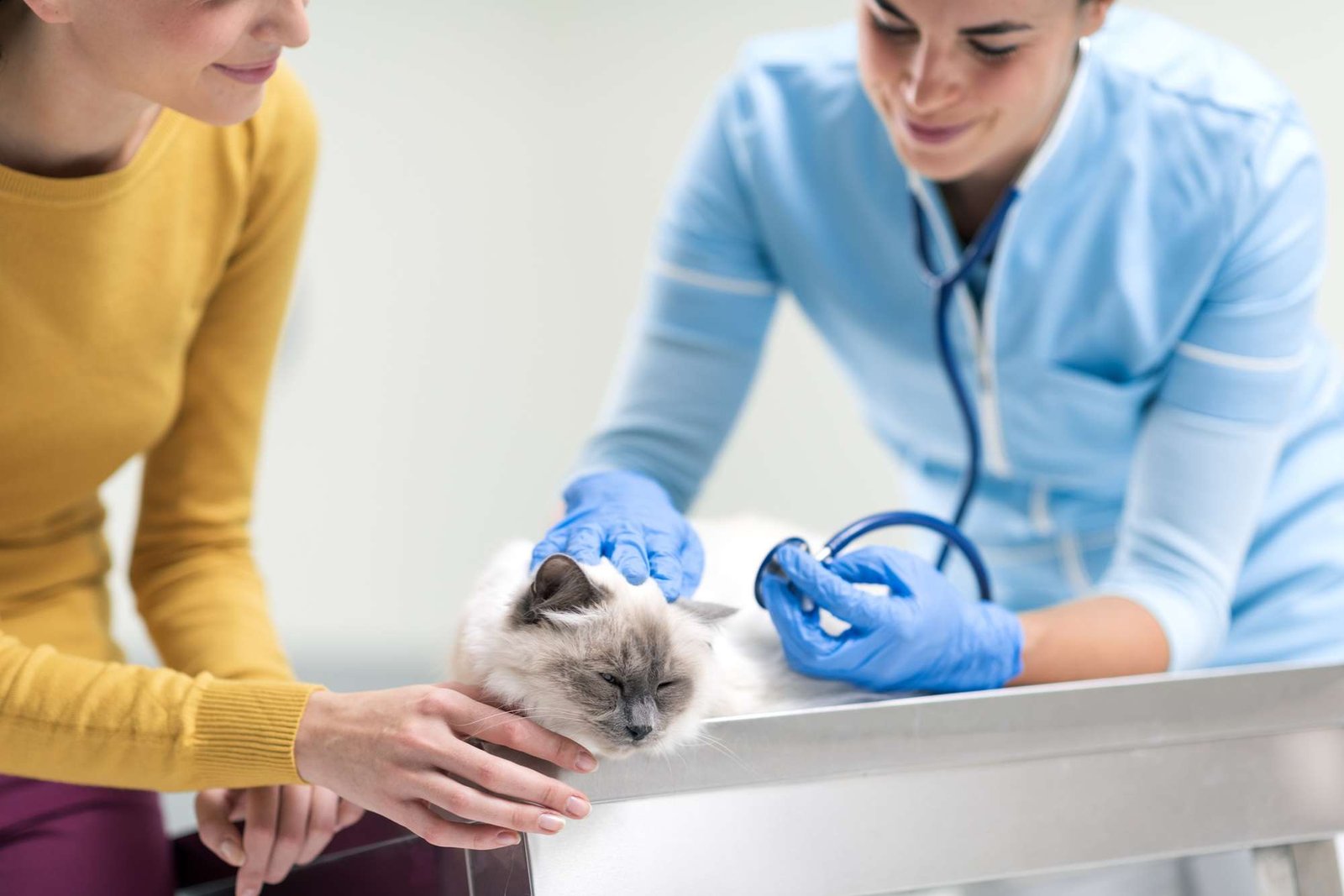
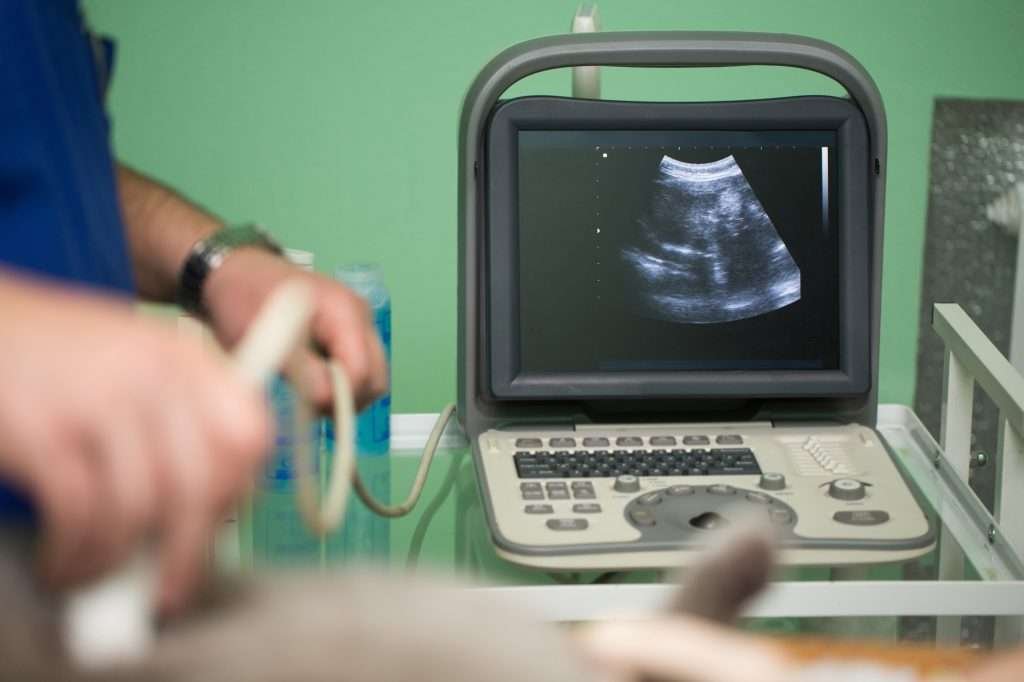
Panic set in immediately. A quick call to the emergency vet and $1,500 later, I discovered Dexter had eaten something poisonous while he was outside during the day. As I swiped my nearly maxed-out credit card at the vet’s office, a thought hit me: “Maybe I should have looked into cat insurance.”
That moment changed everything for me. I realized that loving my cat meant more than providing food, toys, and cuddles — it meant being financially prepared for unexpected health issues.
RELATED: When Bird Flu Meets Whiskers: Everything You Need To Know About H5N1 and Your Feline Friend
Understanding Cat Insurance

Before diving into my personal experience with cat insurance, let’s break down what it actually is.
Cat insurance works similarly to human health insurance, though with some key differences. When your cat becomes ill or injured, insurance helps cover — fully or partially — the veterinary costs. Rather than being stuck with a massive bill when your cat needs urgent care, insurance makes these emergencies more manageable financially.
The process is straightforward: you visit the vet, pay the bill upfront, submit a claim with a photo of the receipt or upload the file, and receive reimbursement for the covered amount. Different providers have different maximums, eligibility requirements, and reimbursement rates.
According to research, the average monthly premium for cat insurance is about $28.48, though this can vary based on factors like your location and your cat’s breed and age.
My First Year with Cat Insurance

After Dexter’s poison accident, I spent weeks researching different insurance providers. I compared coverage options, read countless reviews, and talked to fellow cat owners about their experiences.
I eventually settled on a mid-tier plan that cost me $24 per month. It covered accidents, illnesses, and some hereditary conditions, with an 70% reimbursement rate after a $500 annual deductible. I have since changed this to reflect what I can afford monthly and depending on needing more coverage as he ages.
At first, I questioned my decision. For the first year, Dexter remained perfectly healthy — not even a sneeze. I found myself thinking, “Am I just throwing money away each month?”
Then came the cloudy eye incident.
Dexter had what appeared to be a cloudy and spotted lower eye issue. Over time, he became lethargic, sleeping more than usual and had a loss of appetite. His eye was appearing swollen as time went on. The diagnosis? Glaucoma in his left eye. I first tried prescribed eye drops with no success and ended up having to take him in for surgery to remove the eye instead.
The total bill: $2,500.
After meeting my deductible earlier that year for a routine checkup, my insurance covered 70% of the surgery cost. Instead of paying the full $2,500, I paid $750 out of pocket. My monthly premiums suddenly seemed like the best investment I’d ever made.
The Pros and Cons from My Experience

Pros:
Peace of mind: Knowing I could afford emergency care for Dexter removed a significant source of anxiety from my life. I no longer had to worry about choosing between my financial stability and my cat’s health. I even decided to get Fia and Matisse pet insurance when signing up for Dexter. It has been very handy in the long run.
Better care decisions: Without insurance, I might have hesitated to take Dexter to the vet for smaller issues, potentially missing early signs of serious problems. With insurance, I felt empowered to seek veterinary advice whenever something seemed off.
Predictable budgeting: While emergencies aren’t predictable, my monthly premium was. This made it easier to budget for Dexter’s care. Premiums do increase annually, but usually not by much.
Coverage for expensive treatments: Some conditions, like kidney disease or cancer, can require ongoing treatments that cost thousands of dollars. Insurance makes these treatments more accessible. Since Fia had small intestine lymphoma and Matisse currently has the same, having the insurance has helped in a tremendous way!
Cons:
Upfront payment required: Even with insurance, I still had to pay the full vet bill upfront and wait for reimbursement. This can be challenging if you don’t have savings or available credit.
Not everything is covered: My plan didn’t cover preventative care like routine checkups or vaccinations. Some plans do offer wellness add-ons, but they come at an additional cost.
Pre-existing conditions: Dexter developed a minor skin condition before I got insurance. Any treatment related to this condition isn’t covered by my plan.
Never get premiums back: If Dexter stays perfectly healthy (which I hope he does!), I won’t get any of my premium payments back. It’s money spent whether you use the insurance or not.
Is Saving Money Instead a Better Option?

Many cat owners wonder if they should simply put money aside each month rather than pay for insurance. This self-insurance approach has its merits, but also its risks.
When I was deciding what to do, I calculated how much I would save over Dexter’s expected lifetime (about 15 years) if I put aside $32 monthly instead of paying for insurance. The total came to $5,760, which seemed substantial.
However, I realized that this approach had two significant flaws:
- Time to build savings: If Dexter had needed that $2,000 surgery during his first couple of years after getting the insurance (which he did), I would have only saved about $768 — far short of the required amount.
- Multiple expensive incidents: What if Dexter had more than one significant health issue? Cat health problems can easily exceed $10,000 over a lifetime, especially for cats with chronic conditions.
For me, the certainty of insurance outweighed the potential benefits of saving. That said, I do maintain a small emergency fund specifically for Dexter’s, Matisse’s and Isaac’s care to cover deductibles and uncovered expenses.
When Should You Get Cat Insurance?

If there’s one piece of advice I wish I’d received earlier, it’s this: get cat insurance when your cat is young and healthy.
I was fortunate that Dexter was only around 6 years old when I insured him, and he had minimal pre-existing conditions. As cats age, they’re more likely to develop health issues that would then be classified as pre-existing conditions — and thus not covered by new insurance.
Additionally, premiums are generally lower for younger cats. By insuring Dexter early, I locked in a lower rate and ensured he’d be covered for any conditions that might develop later in life.
How I Chose My Insurance Provider

After my crash course in cat insurance, here’s what I focused on when selecting a provider:
- Company reputation: I read countless reviews from other cat owners and looked at the company’s track record for processing claims. Companies with a history of denying legitimate claims were immediately crossed off my list.
- Coverage details: I carefully compared what different plans covered and excluded. Some plans had impressive coverage for accidents but limited coverage for illnesses, while others were more comprehensive but more expensive.
- Understanding cat health risks: Since Dexter is a domestic shorthair, I researched common health issues for his breed. If he had been a breed prone to specific genetic conditions, I would have ensured those were covered.
- Reimbursement process: I prioritized companies with straightforward, rapid reimbursement processes. Some companies offered direct payment to vets, while others reimbursed within a few days of receiving a claim.
Six Years Later: My Verdict
It’s been 6 years since I signed Dexter up for insurance, and I’ve filed a total of roughly 20 claims: the glaucoma eye removal surgery, diagnosis and treatment for a urinary tract infection, a deworming, flea treatment and vaccine routine, and of course follow-up appointments for all of these major events.
In total, I’ve paid approximately $2,152 in premiums over 6 years but received about $4,400 in reimbursements. Financially speaking, insurance has been a net positive for me.
But the real value hasn’t been financial — it’s been emotional. The peace of mind knowing that I can provide Dexter with the care he needs, regardless of cost, is priceless. I never have to choose between my financial stability and my cat’s health and happiness.
Is Cat Insurance Right for You?
Whether cat insurance is worth it depends on your specific situation. Consider:
- Your financial situation: Do you have enough savings to cover a potential $3,000+ emergency? If not, insurance provides a safety net.
- Your cat’s age and health: Younger, healthier cats are cheaper to insure and benefit more from long-term coverage.
- Your risk tolerance: How would you handle the financial and emotional stress if your cat needed expensive treatment you couldn’t afford?
- Your cat’s lifestyle: Is your cat an adventurous outdoor explorer or a cautious indoor lounger? More active cats might have higher injury risks.
Final Thoughts
Ultimately, getting cat insurance was one of the best decisions I made as a pet parent. It’s allowed me to focus on what matters most: giving Dexter the happy, healthy life he deserves.
Whether you decide to insure your cat or set money aside instead, the most important thing is having a plan for handling unexpected veterinary expenses. Our feline friends depend on us to make the best choices for their care, and being financially prepared is a crucial part of responsible pet ownership.
Dexter is curled up next to me as I write this, purring contentedly after his annual checkup (which I paid for out-of-pocket since routine care isn’t covered by my plan). Looking at his healthy, happy face, I know that whatever the future holds, we’re ready for it — together.
Disclaimer: This article reflects my personal experience with cat insurance and should not be considered financial advice. Always research thoroughly and consider consulting with your veterinarian before making decisions about your cat’s healthcare.
Join the Conversation!
Have you had experiences with cat insurance, good or bad? I’d love to hear your stories in the comments below!
Comments are moderated to ensure a supportive, kind environment for all.
Stay connected with Caty Chat for regular updates, insights, and stories about the wonderful world of cats.