


Last week, while my friend was volunteering at our local shelter, a family came in looking to adopt a beautiful black cat they’d fallen in love with. Their first question? “How old is she?” As someone who’s spent years working with cats and has three rescue fur kids of my own, I couldn’t help but smile as I was being told this story. It’s one of the most common questions I hear, and honestly, it’s like trying to guess someone’s age at a party – tricky, but there are always telling signs if you know where to look!
Let me share with you my research of becoming a “cat age detective” and all the fascinating things I’ve learned along the way. Whether you’ve just adopted a mysterious street cat or are simply curious about your longtime companion’s true age, I’m here to help you crack the code.
1. Determining Cat Age Through Dental Development

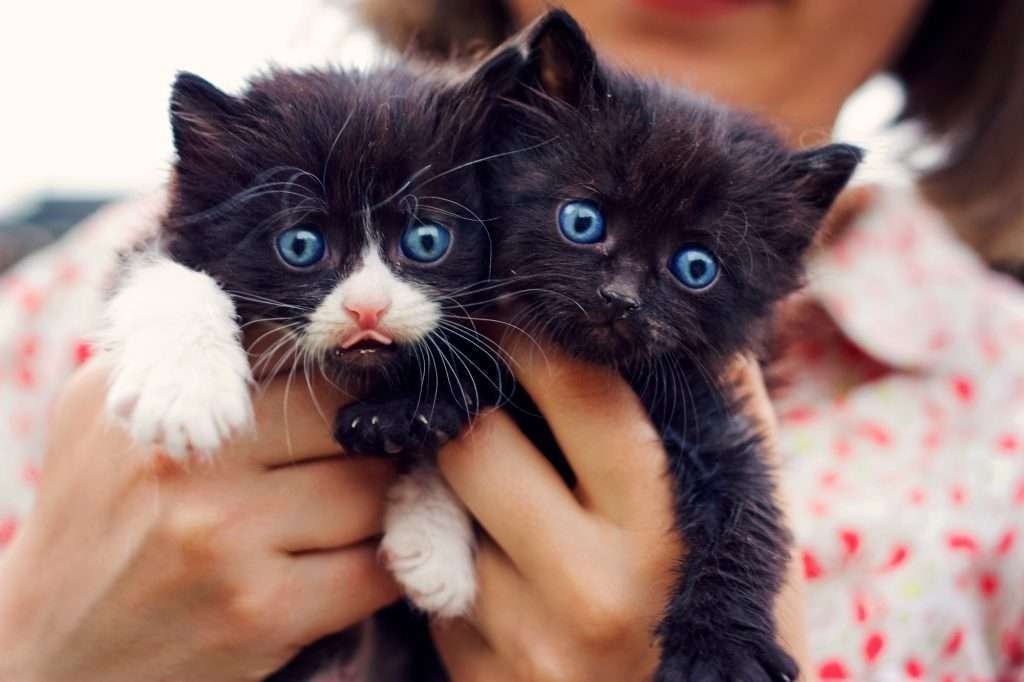
First, let’s talk about those tiny chompers – teeth are like a cat’s personal timeline, especially in their early months. I remember when my youngest, Matisse, came to me as a tiny ball of fluff that fit in my cupped hands. Those first few weeks were magical as I watched his baby teeth emerge between 2 to 4 weeks old. It’s nature’s way of helping kittens graduate from milk to solid food, and let me tell you, those teeth are sharp!
By the time kittens hit 3 to 4 months, they’re going through their own version of what we humans experience with our kids – losing baby teeth! The permanent teeth start pushing out those tiny baby ones, and by 6 months, they’ve got their adult set all ready to go. After that, aging through teeth becomes more like reading tea leaves – possible, but definitely trickier.
RELATED: Feline Glaucoma: Dexter’s 6 Inspiring Lessons of Resilience and Adaptation
2. Aging Stray Cats: Professional Assessment Methods
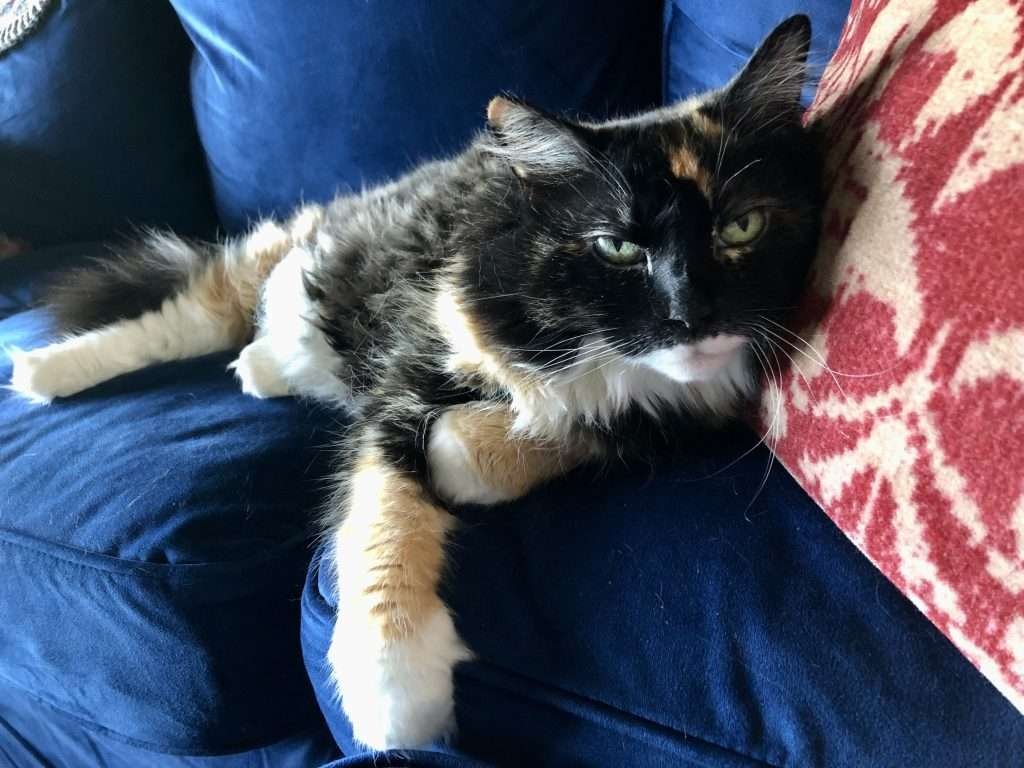
Speaking of tricky, let me tell you about my experience with my late little Fia girl, a stray at the time who showed up in the parking garage at work one summer. The vet and I played detective with her teeth, looking for clues in the tartar buildup. Ultimately, it was determined that she was estimated to be around 3 years old, roughly.
But here’s the funny thing – with all the fancy dental treats and cleaning products available now, even that’s not a foolproof method anymore. Some cats have sparkling clean teeth well into their senior years, while others might need a dental cleaning by age three. It’s like trying to guess someone’s age based on how well they brush their teeth!
3. Sexual Maturity Signs: Age Indicators in Cats
Now, let’s talk about the birds and the bees – or in this case, the cats and the, well, cats. If you’ve ever had an unaltered cat (meaning not spayed or neutered), you know exactly what I’m talking about. Male cats hit puberty around 6 months, and boy, do they let you know it! They can start marking their territory like tiny graffiti artists with a spray can, and their, ahem, physical development becomes quite noticeable.
Female cats have their own way of announcing their maturity, usually between 5 and 9 months old. If you’ve ever been awakened at 3 AM by a cat serenading the neighborhood, you know exactly what I’m talking about. My neighbor’s unspayed female once had every tomcat in a three-block radius camping out in their yard – it was like a feline version of a teenage romance movie!
4. How Spaying and Neutering Affect Age Assessment
But here’s where modern veterinary practices throw us a curveball. Many vets now spay and neuter kittens early, sometimes as young as 8 weeks old. It’s actually a wonderful practice that helps prevent unwanted litters and makes the surgery easier on the cats. However, it does make our age-detective work a bit more challenging since we can’t rely on those developmental markers.
5. Cat Coat Changes: Age-Related Fur Transformations

Let’s talk about coat changes – this is something I find absolutely fascinating. Kittens start life with the softest, finest fuzzy fur imaginable. It’s like touching a cloud made of silk! As they age, their coat typically becomes thicker and a bit coarser. My oldest cat, Fia, had been with me for 12 years, and I watched her sleek calico coat slowly develop these distinguished white threads throughout. She was like the George Clooney of cats – aging ever so gracefully.
6. Senior Cat Grooming Changes: Age Assessment Guide
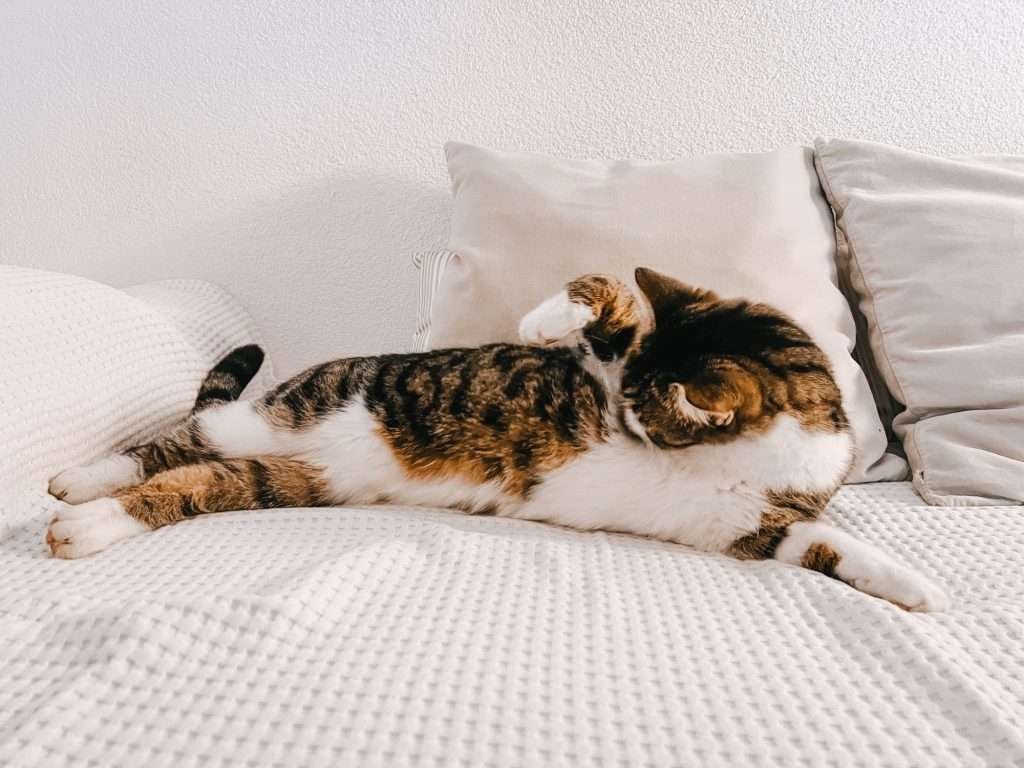
One of the most telling signs of age I’ve noticed in my years of cat parenthood is how well they keep up with grooming. Cats are naturally fastidious creatures – I mean, they spend about 30% of their waking hours grooming themselves! But as they age, this can change. My friend’s 15-year-old cat started getting a bit scruffy in his senior years. Between some dental issues making it uncomfortable to groom and arthritis making those yoga-like positions harder to maintain, his once-pristine coat became a bit more… lived-in, shall we say.
7. Cat Eye Changes: Understanding Age-Related Signs
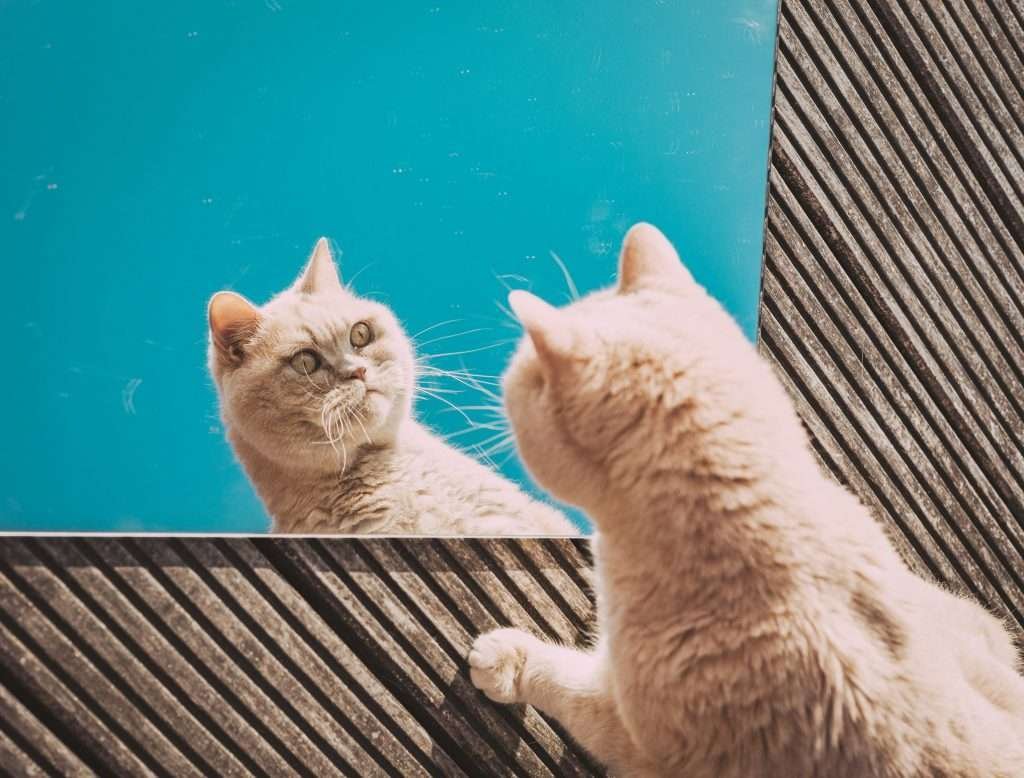
The eyes truly are windows to the soul, and in cats, they’re also windows to their age. Young cats and kittens have eyes that sparkle like new pennies – clear, bright, and full of mischief (usually right before they knock something off your coffee table). But as they age, especially after 10 years, you might notice some cloudiness or discharge. The iris – that’s the colored part – might develop a slightly wavy edge, like a flower petal that’s been gently worn by time.
When my male cat Dexter developed Glaucoma in his left eye, it started off cloudy at the bottom. After a year of using eyedrops prescribed by the vet to help with the progression, we finally had to make the decision to have surgery to remove his left eye. He was in so much pain, which stems from the swelling and pressure on the eye. Still as handsome as can be, he can now rock his inner pirate – argh.
Through all my years of working with cats, I’ve learned that while we can make educated guesses about their age, each cat is uniquely individual in how they mature and age. Just like people, some cats seem to stay kitten-like well into their senior years, while others become distinguished elderly gentlemen or ladies quite early.
The most important thing I’ve learned? Age really is just a number. Whether your fur kid is 2 or 12, what matters most is the love and care you provide. Every cat, regardless of age, deserves a chance at a happy home filled with love, comfortable spots in the sun, and maybe a few catnip mice for good measure.
8. Working with Your Vet: Professional Age Assessment
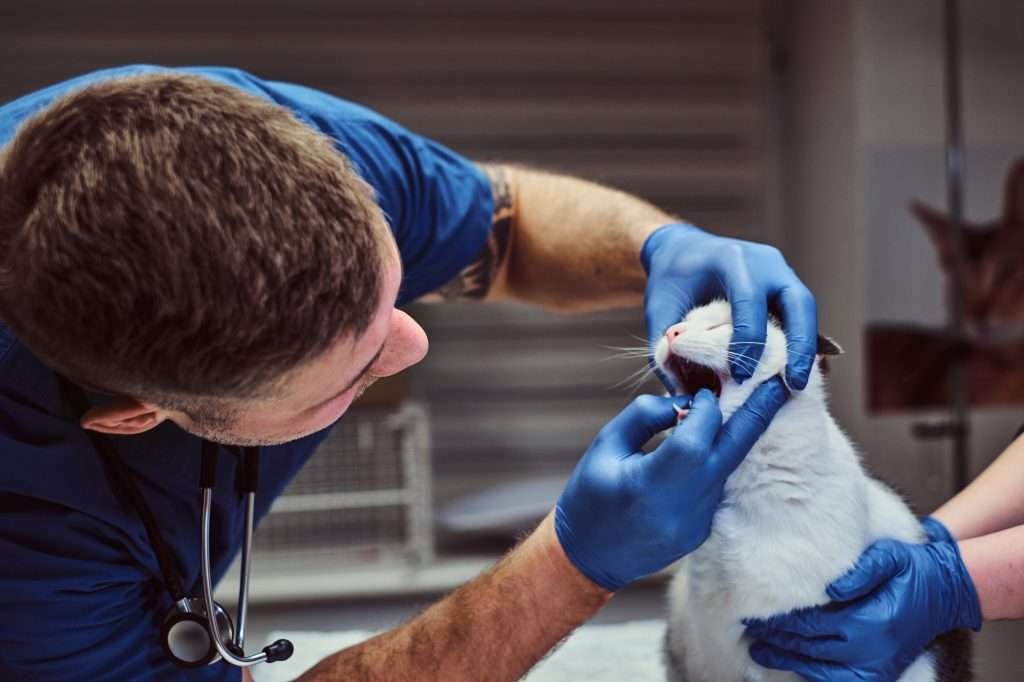
Remember, if you’re really curious about your cat’s age, your veterinarian is your best friend in this detective work. They’ve got the experience and expertise to make the most educated guess possible. And in the meantime, enjoy every moment with your mysterious feline friend – they have so much love to give, no matter what number we assign to their age!
Stay connected with Caty Chat for regular updates, insights, and stories about the wonderful world of cats.