




My First Encounter with the Infamous Cat Zoomies
I’ll never forget the first time I witnessed “cat zoomies” with my cat Sonoma. It was around 11 PM, and I was settling in with a good book when suddenly, as if possessed by some invisible force, my normally dignified feline companion shot up from her peaceful slumber on the couch, eyes wild and dilated. What followed was nothing short of an Olympic-worthy display of athleticism as he raced around my apartment, bouncing off furniture, scaling heights I didn’t think possible, and generally behaving like she’d consumed an entire pot of espresso.
As a new cat parent, I was equal parts amused and concerned. Was this normal? Was something wrong with my furry friend? As it turns out, this behavior —scientifically known as Frenetic Random Activity Periods (FRAPs) but more commonly known as “the zoomies” — is not only normal but a fascinating window into our cats’ wild ancestry and biological programming.What Exactly Are Cat Zoomies?

Cat zoomies are those sudden, explosive bursts of energy that transform your normally serene feline into a furry tornado. These episodes typically involve:
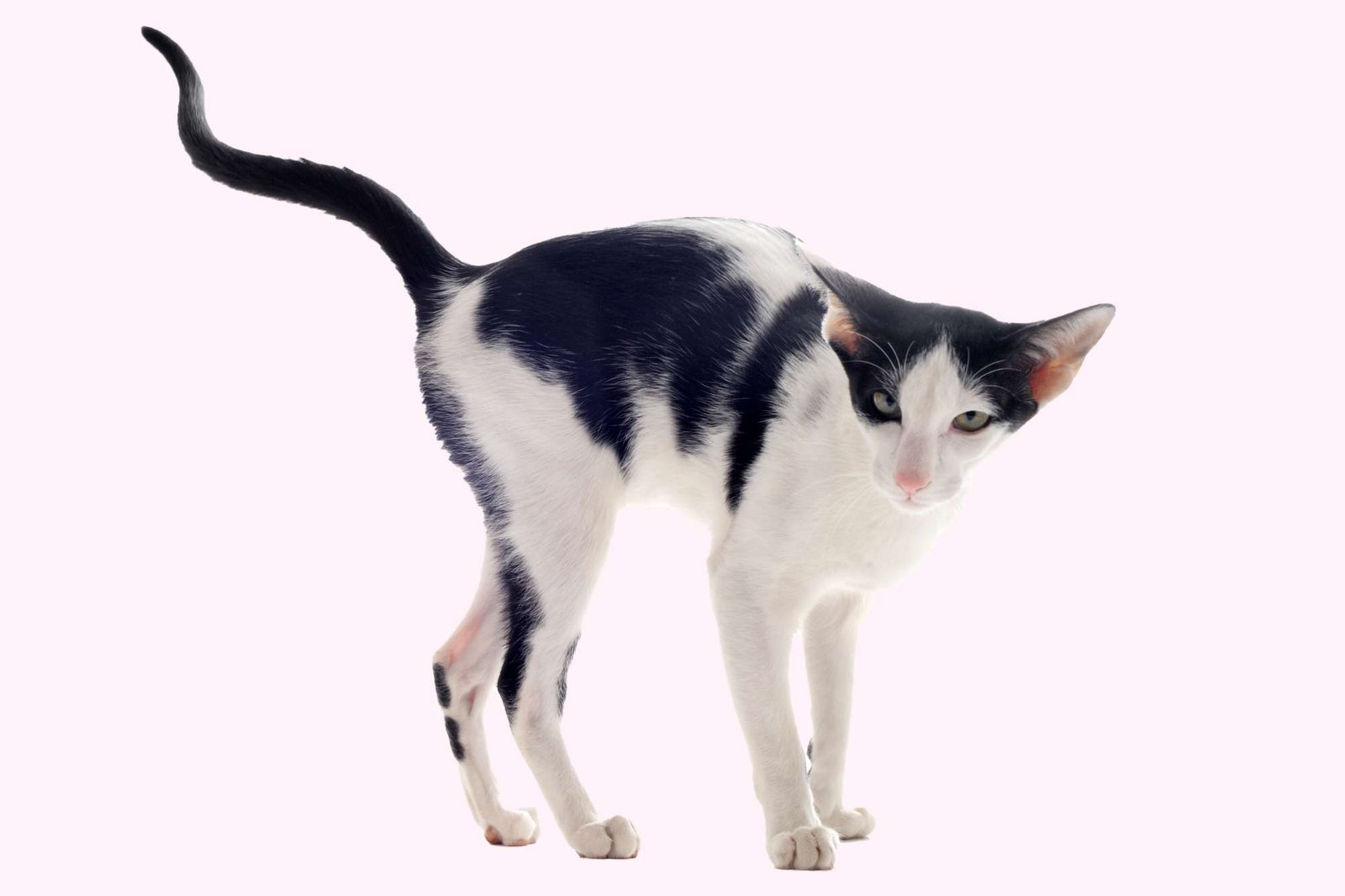
- Racing around at breakneck speeds
- Darting up and down stairs
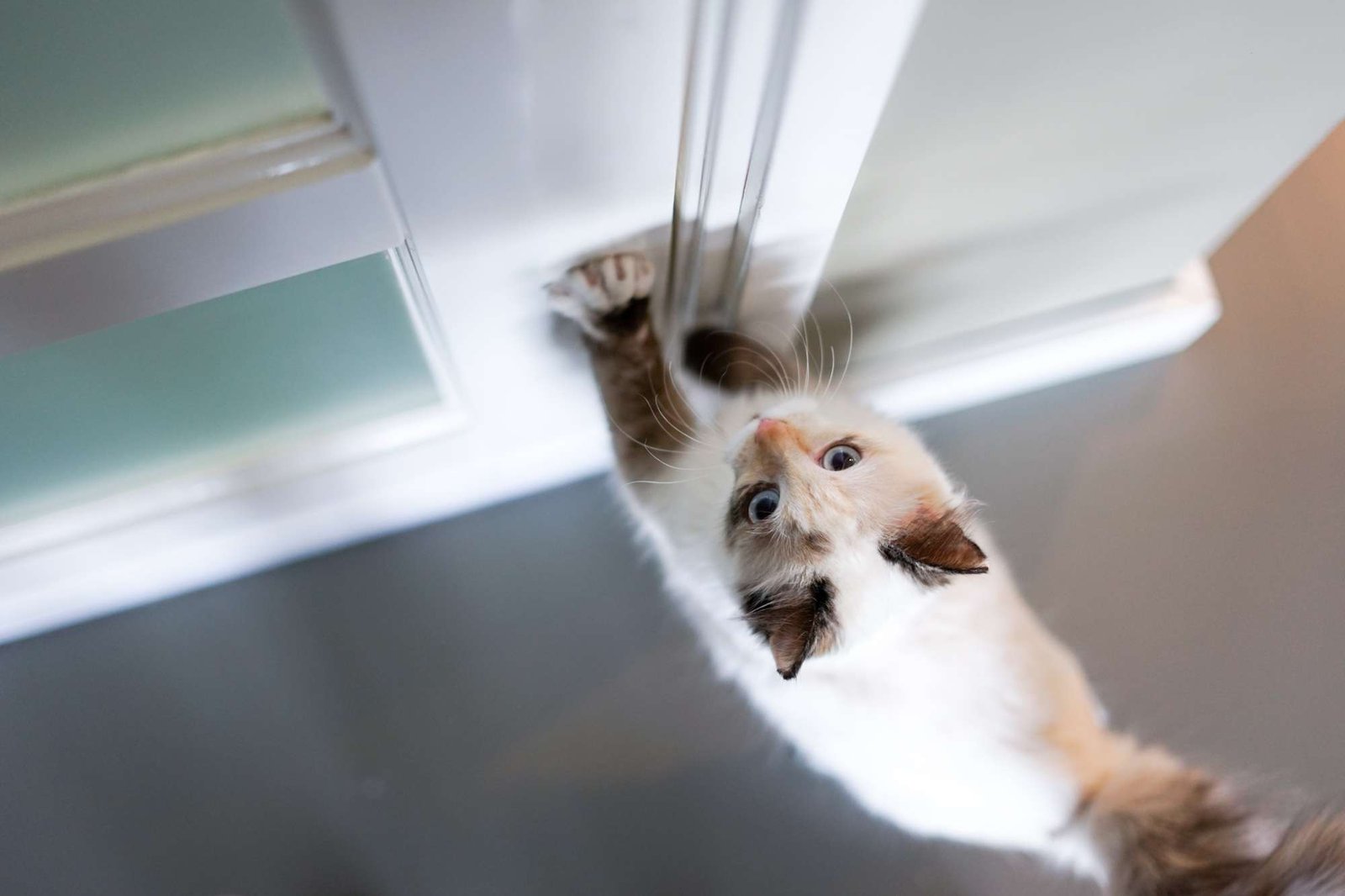
- Jumping to impressive heights
- Making sharp turns and seemingly random direction changes
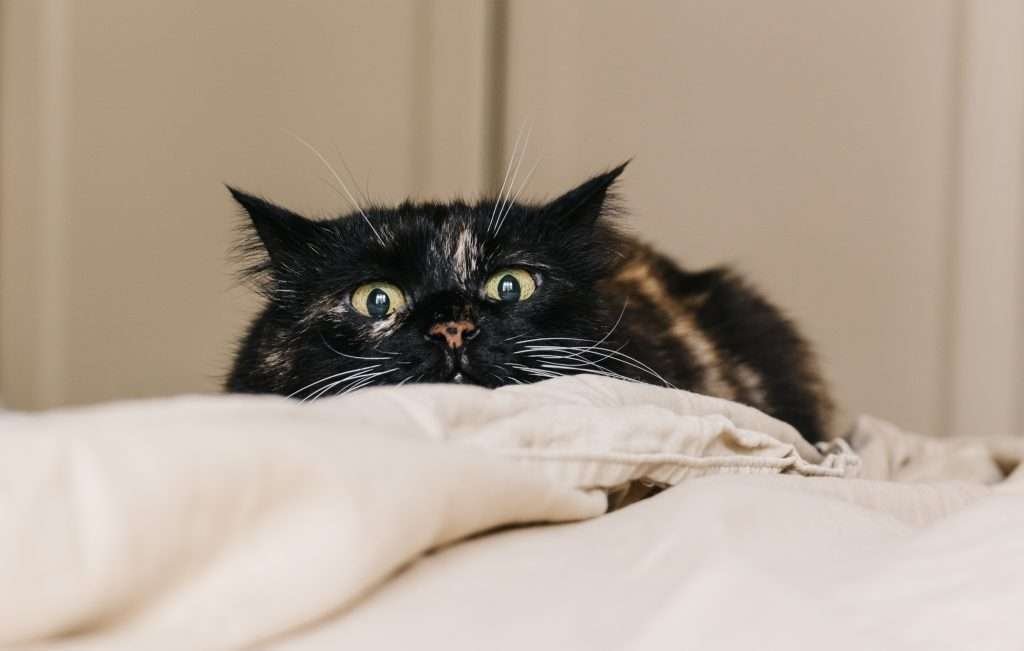
- Wide-eyed, dilated pupils
- Sometimes accompanied by vocalizations
While they might seem random to us, these energy explosions actually have biological and evolutionary explanations that help us better understand our mysterious feline companions.
RELATED: The Scoop on Cat Anal Glands: 7 Things You Never Knew You Needed to Know
The Science Behind Your Cat’s Hyperactive Episodes

Sleep Patterns and Energy Conservation
Cats are masters of energy conservation, sleeping between 14 to 16 hours daily. This sleeping habit isn’t laziness — it’s an evolutionary adaptation from their wild ancestors who needed to preserve energy for hunting. In the wild, cats expend significant energy stalking, chasing, and catching prey. After a successful hunt, they rest and repeat the cycle.
Our domestic cats, however, don’t need to hunt for survival. Their meals come conveniently in bowls or packets, requiring minimal exertion. This creates an energy surplus that needs an outlet — enter the zoomies.
Crepuscular Nature: Dawn and Dusk Activity
Have you noticed that your cat’s zoomies often occur early in the morning or as evening approaches? This timing isn’t coincidental. Cats are crepuscular creatures, meaning they’re naturally most active during twilight hours — dawn and dusk.
This activity pattern evolved because these transition periods offer the perfect hunting conditions: enough light to see prey, but enough darkness to provide cover for stalking. Even though our house cats don’t need to hunt, their internal clock still follows this ancient rhythm, often resulting in energetic episodes precisely when you’re trying to sleep or relax after work.
Youthful Exuberance
If you have a kitten or young adult cat, you’ve likely witnessed more frequent and intense zoomies. Much like human children who seem to have boundless energy, younger cats have more energy to burn. These playful bursts help develop their muscles, coordination, and hunting skills, all while burning off excess energy.
As cats age, zoomies typically become less frequent and less intense, though many senior cats still enjoy occasional sprinting sessions — a heartwarming reminder of their kittenhood spirit.
My Personal Zoomies Management Strategy

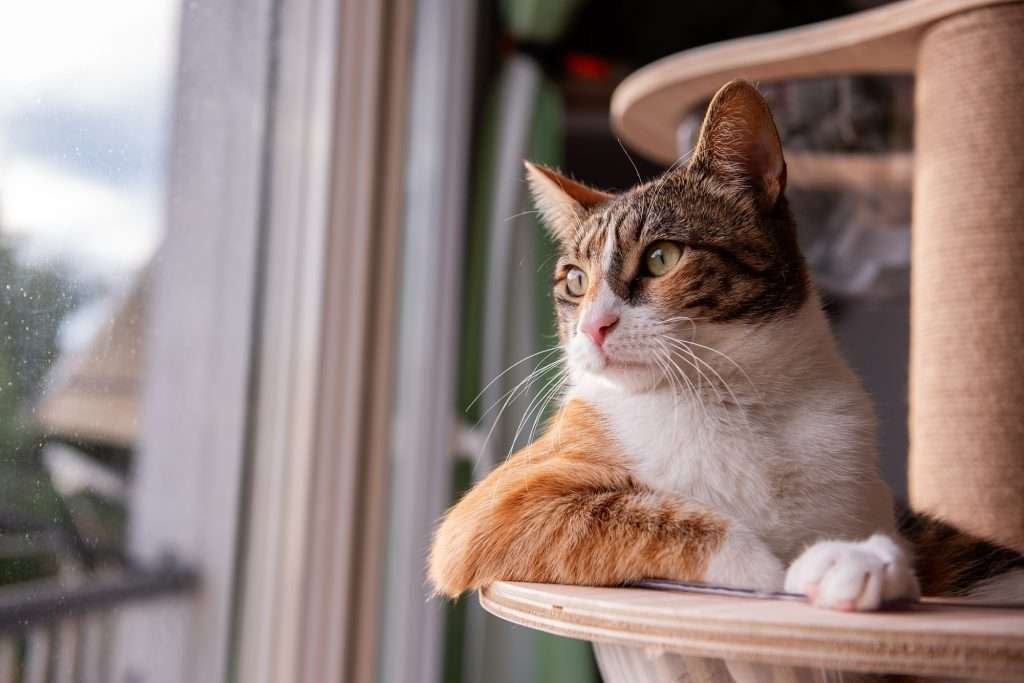
Living in a modestly sized apartment with an energetic and young fur kid taught me some valuable lessons about managing the zoomies phenomenon. After months of being awakened at 5 AM by thundering paws and acrobatic bed leaps, I developed a routine that has helped both of us.
I now schedule a dedicated 15-minute play session before bedtime, using interactive toys that simulate prey movements. This targeted playtime helps Isaac burn off accumulated energy before I turn in for the night. Additionally, I feed him his main meal after this play session, as cats naturally tend to rest after eating.
I’ve also strategically placed a cat condo, scratching posts, a custom realistic cat tree and interactive toys throughout my apartment, giving him appropriate outlets for energy throughout the day. This environmental enrichment has reduced the intensity of his zoomies and redirected his energy to more appropriate channels.
When Zoomies Might Signal Something More Serious

While zoomies are typically nothing to worry about, certain patterns might indicate underlying health concerns, particularly in older cats who suddenly develop hyperactivity. Medical conditions that might cause increased activity are:
Hyperthyroidism
If your senior cat suddenly starts displaying frequent zoomies accompanied by weight loss despite increased appetite, excessive vocalization, and restlessness, it might be worth discussing hyperthyroidism with your veterinarian. This common endocrine disorder in older cats can cause hyperactivity as the excess thyroid hormones speed up bodily functions.
Post-Litter Box Sprints
Pay special attention if your cat’s zoomies occur specifically after using the litter box. This behavior could indicate:
- Urinary tract infection or inflammation
- Constipation or painful bowel movements
- Discomfort from passing large stools
- Intestinal parasites
If you notice this pattern, check the litter box for abnormal stool consistency, blood in urine or feces, or signs of straining. A veterinary consult might be in order if these symptoms are present.
The Surprisingly Real “Poo-phoria”
Believe it or not, there’s actually a physiological explanation for post-bathroom zoomies that isn’t necessarily concerning. Both humans and cats have a vagus nerve that runs from the brainstem to the colon. According to gastroenterologists, the passage of a large stool can stimulate this nerve, causing a temporary drop in heart rate and blood pressure. This can create a mild lightheaded sensation — what some doctors have termed “poo-phoria” — that might contribute to sudden bursts of energy in our feline friends.
Litter Box Cleanliness
Sometimes, the simplest explanation is the correct one. If your cat consistently zooms away from the litter box, it might be protesting unsanitary conditions. Cats are fastidious creatures who prefer clean facilities. If they’re perching on the edge of the box or getting in and out as quickly as possible, consider whether your cleaning routine needs adjustment.
I discovered this firsthand when Matisse started his post-litter box dashes. Increasing my scooping frequency from once to three times daily made a noticeable difference in his behavior.
Embracing the Zoomies: Bonding Through Play

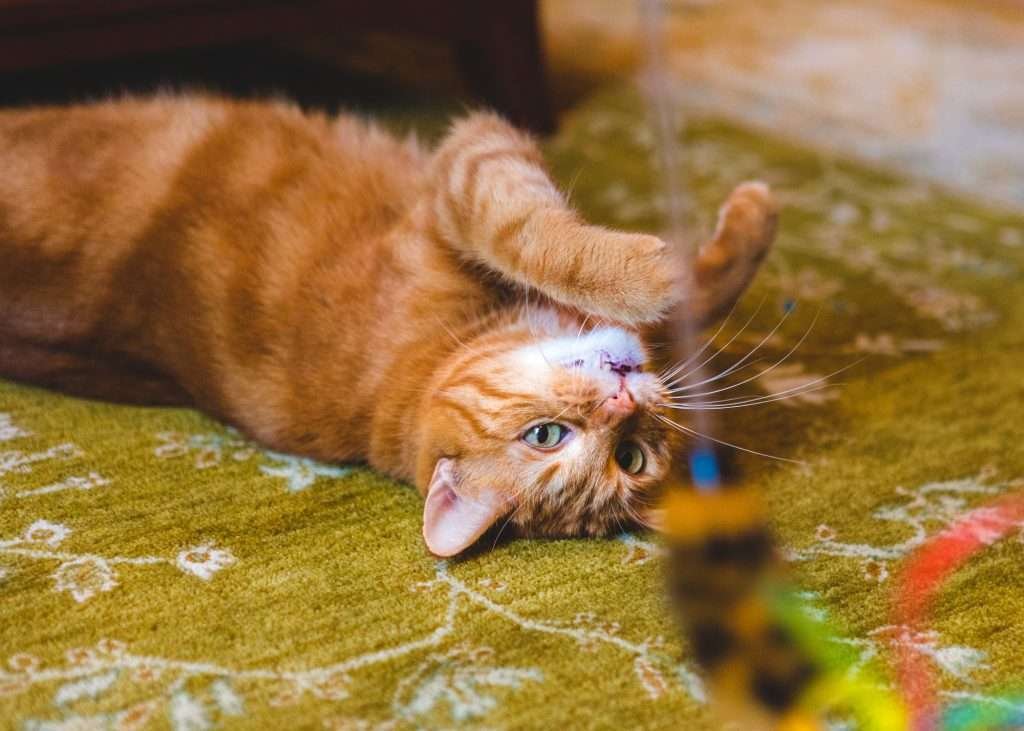
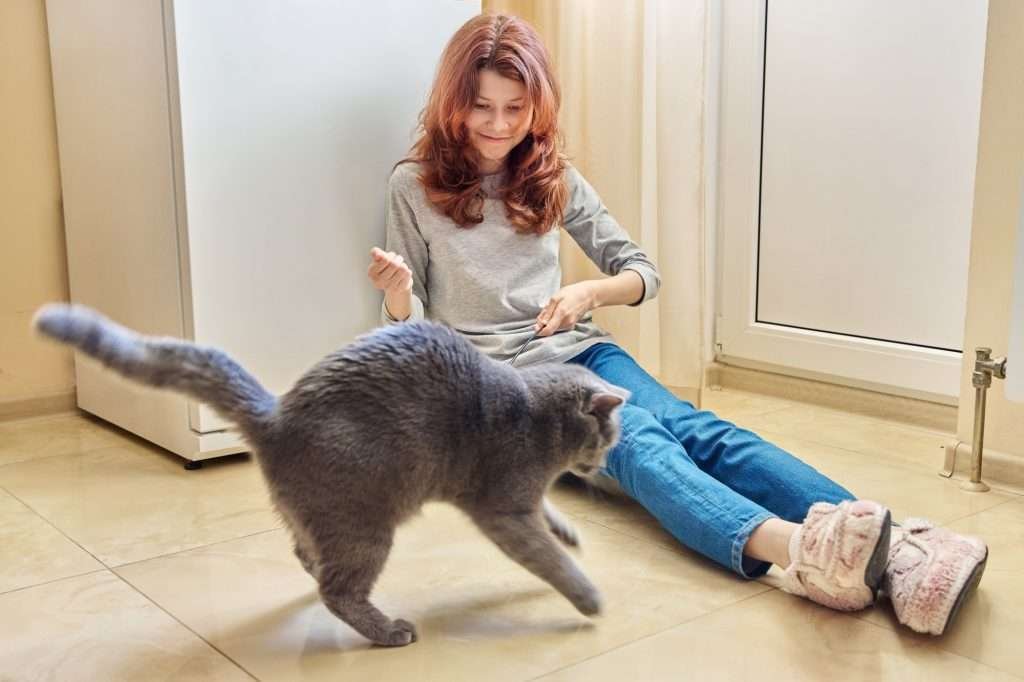
Rather than viewing zoomies as an inconvenience, I’ve learned to see them as opportunities for connection. When Isaac or Matisse initiates a zoomies session during reasonable hours, I often join in with crunchy toys or chicken nugget toy, turning it into interactive playtime.
According to feline behavior experts at International Cat Care, short, frequent play sessions are more beneficial for cats than occasional longer ones. These interactions not only help satisfy their hunting instincts but also strengthen your bond.
For working cat parents who aren’t home during the day, I’ve found that leaving out puzzle feeders and rotating toys can help distribute energy expenditure throughout the day, potentially reducing nighttime zoomies.
The Joy of Accepting Cats as They Are

After years of living with my energetic feline companion, I’ve come to appreciate the wisdom in the phrase “a cat’s gonna cat.” These mysterious, sometimes perplexing creatures bring so much joy to our lives with their unique behaviors. The zoomies —those moments of unbridled feline joy and energy — remind us that despite thousands of years of domestication, our house cats still carry the spirit of their wild ancestors.
By understanding the biological and evolutionary reasons behind these energy bursts, we can better accommodate our cats’ needs while appreciating this charming aspect of their nature. Whether it’s providing appropriate play opportunities, maintaining a clean litter box, or simply watching in amusement as they tear around the house, learning to live harmoniously with the zoomies is part of the wonderful journey of cat companionship.
So the next time your feline friend suddenly transforms from lazy lounger to speed demon, take a moment to appreciate this glimpse into their wild heart — and maybe grab a toy to join in the fun.
FAQs:
How long do cat zoomies typically last?
Most zoomies episodes last between 1-5 minutes, though this can vary by individual cat.
Are certain cat breeds more prone to zoomies?
While all cats can experience zoomies, high-energy breeds like Bengals, Abyssinians, and Oriental Shorthairs tend to have more frequent and intense episodes.
Is it possible to prevent zoomies completely?
It’s neither possible nor desirable to eliminate zoomies completely, as they’re a natural behavior. However, regular play and environmental enrichment can help manage their timing and intensity.
Should I stop my cat during a zoomies episode?
Unless they’re at risk of injury, it’s best to let your cat complete their zoomies session naturally. Interrupting might cause frustration.
Can cats hurt themselves during zoomies?
While most cats have excellent coordination, accidents can happen during particularly enthusiastic zoomies sessions. Creating a cat-safe environment by securing breakables and providing appropriate climbing options can help prevent injuries.
When not writing about cat behavior and health or playing with my fur kids, I can be found working on projects and researching the latest in feline enrichment techniques.
Stay connected with Caty Chat for regular updates, insights, and stories about the wonderful world of cats.