


1. Are You Team Tom or Team Queen?

Let’s talk cats! If you’re thinking about bringing a furry friend home or just curious about the fascinating world of feline personalities, you’re in for a treat. Today, we’re diving deep into the adorable differences between male vs female cats – and trust me, it’s way more interesting than you might think!
First things first, let’s bust a myth: not all cats are created equal, and their gender can definitely play a role in their appearance and personality. But before you start making assumptions, remember that every cat is unique – just like humans!
2. Physical Differences
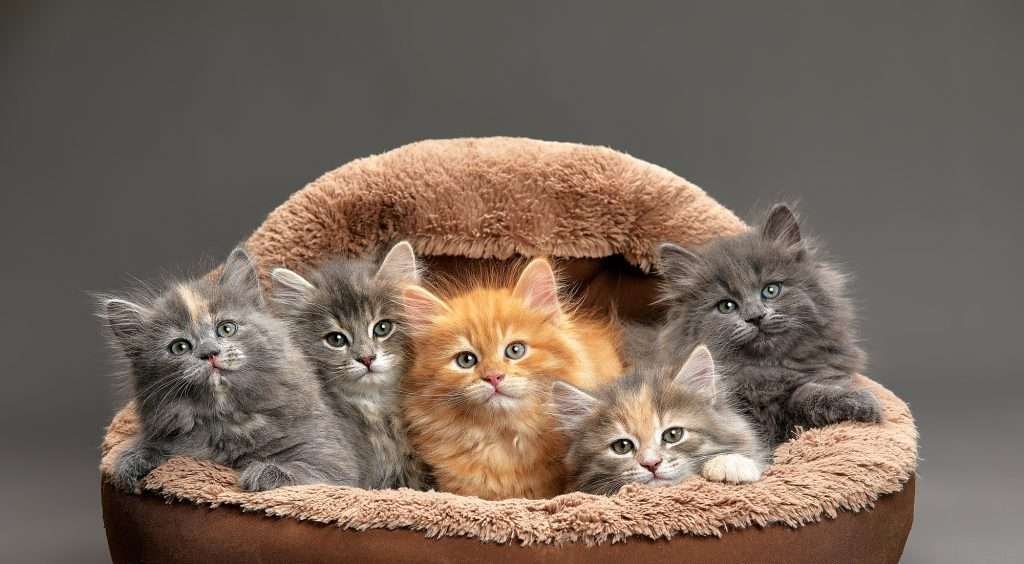
Let’s start with the basics. From the moment they’re born, male and female kittens have some pretty distinct physical characteristics. Veterinarians can spot the difference by looking at their genitals – male kittens have more space between their anus and genitals (about an inch), while females have a closer, more compact arrangement. Most of the time, it is easier to see this once they get to be around 6-10 weeks of age.
But the differences don’t stop there. Adult male cats are typically larger and more muscular, especially if they’re not neutered. Think of them as the bodybuilders of the cat world! Some breeds, like Maine Coons and Norwegian Forest Cats, really showcase this size difference. Males often develop a more impressive physique and can sport a luxurious mane-like ruff around their neck that would make any lion jealous.
RELATED: 11 Cat Breeds: A Deep Dive into the Most Beloved
Color is another fascinating aspect. Did you know that some coat colors are basically gender-exclusive? Calico and tortoiseshell patterns? They’re basically an all-girl club! These stunning tricolor coats only appear in female cats due to some seriously cool chromosomal magic. It is possible for male cats to also be Calico and tortoiseshell but it’s pretty rare – as in only 1 out of 3,000 born will be male.
This is due to male calico and tortoiseshell cats having an extra X chromosome (XXY), which causes their cells to undergo X-inactivation like in females. This condition is similar to Klinefelter syndrome in humans. The XXY gene defect in male calico and tortoiseshell cats often results in sterility. Some male calico and tortoiseshell cats may be chimeras, which means they are the result of two embryos fusing in early development. Chimeric cats can only pass one color to their offspring, depending on which embryo their testes come from. Others may be mosaics, which means they have a mixture of cells with different numbers of X chromosomes.
On the flip side, about 80% of orange tabby cats are male – talk about a color gender swap! This is because the gene responsible for the orange color is located on the X chromosome, so males only need one copy of this gene to be orange, while females need two copies, making female orange tabbies less common.
3. Personality Parade: Tomcats vs. Queens
Now, let’s talk personality – the part everyone’s super curious about! While it’s crucial to remember that individual cats have their own unique traits, there are some general tendencies between males and females.
Intact (not spayed or neutered) male cats tend to be the adventurers of the cat world. They’re more likely to roam, explore, and sometimes disappear on epic journeys lasting days. It’s like they’ve got a built-in GPS for adventure! However, neutering can significantly calm down these wanderlust tendencies.
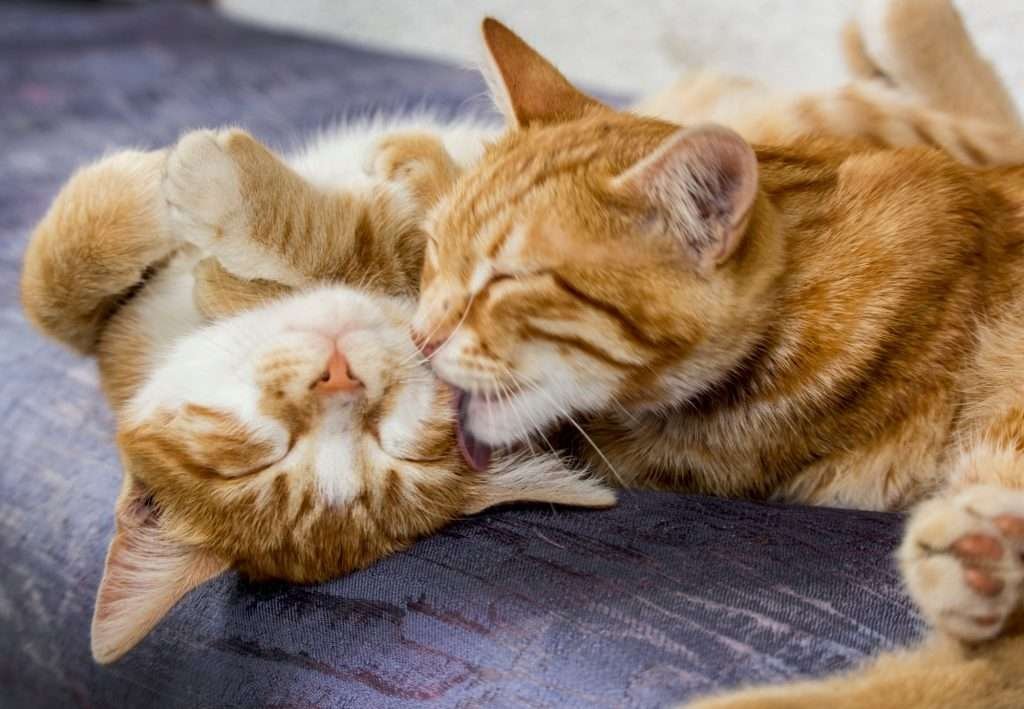
Female cats, especially in feral colonies, are often more social and engage in more affiliative behaviors – think grooming each other and creating tight-knit social groups. They’re the social butterflies of the cat universe! When in heat, female cats become extra affectionate, vocal, and can be quite the drama queens – rolling around, purring dramatically, and basically demanding all your attention.
Aggression is another interesting aspect. Unneutered male cats are more likely to get into territorial disputes, especially when competing for mates. It’s like a feline version of a testosterone-fueled wrestling match! Neutering can help reduce these aggressive tendencies and make for a much more relaxed household companion.
4. The Great Debate Over Color and Personality
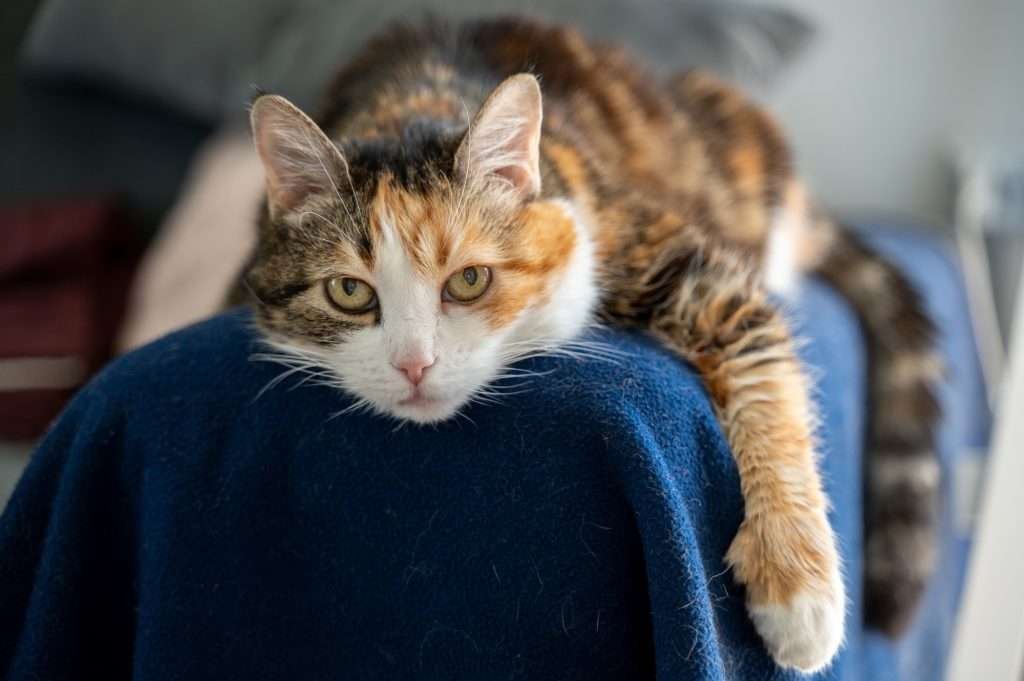
Here’s a fun tidbit that might surprise you – some people swear that a cat’s color determines its personality! Ever heard of “tortitude”? It’s the supposed sassy attitude of tortoiseshell cats. While a study did suggest that calico and tortoiseshell cats might be more prone to feisty behavior, experts caution against taking these findings too seriously.
It very well can be pointed out that these observations might be more about owner perceptions than actual scientific fact. Each cat is an individual, after all, with its own unique personality quirks.
5. Lifespan and Health
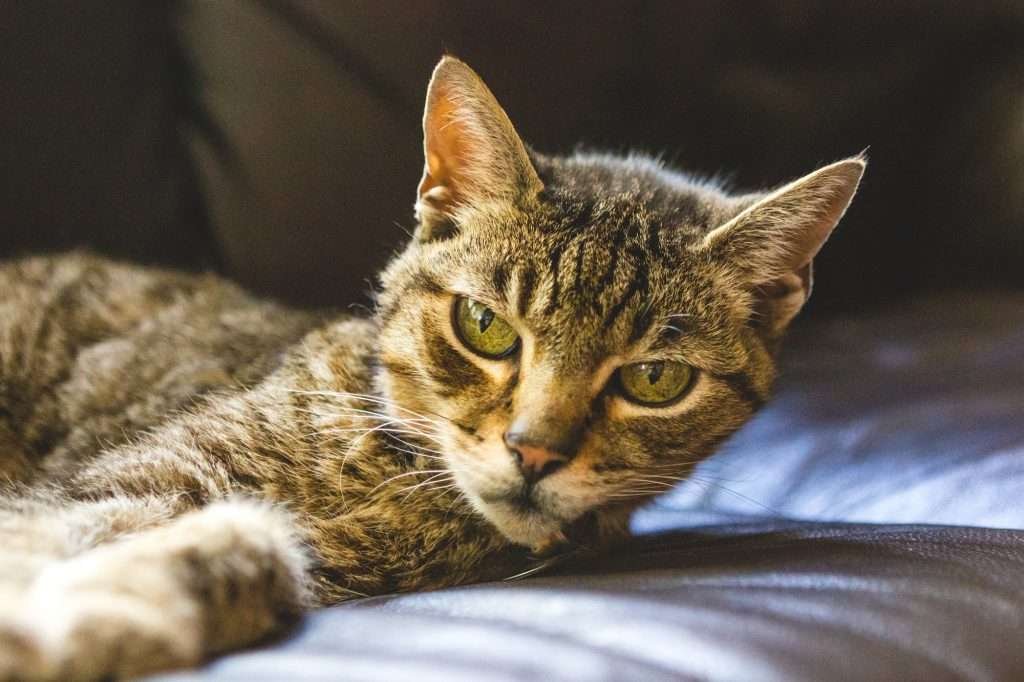
Here’s an interesting fact – female cats generally live longer than male cats. While females average around 15 years of life, unneutered males typically live about 13 years. But here’s the good news: neutered male cats can live up to 62% longer than their intact counterparts. Talk about a game-changer! That’s because they tend to not roam as far as they do when they’re intact. They roam great distances in search of a female in heat.
6. Spaying and Neutering: The Game Changer

If there’s one piece of advice that stands out, it’s the importance of spaying and neutering. Not only does it help control the pet population, but it also significantly impacts your cat’s behavior, health, and lifespan.
Cats neutered before sexual maturity develop differently – they have smaller heads, less muscular bodies, and fewer hormone-related behavioral issues. Spaying or neutering disrupts or changes some aspects of biological development, especially in the case of early spaying and neutering. Turns out, male cats who are neutered before reaching sexual maturity – around 5 to 7 months of age – do not develop hormone-related physical changes. They do not develop penile barbs and they have less-active scent glands in their tails – so they aren’t as potent in smell.
Did you know that intact cats of either sex can routinely urine spray? This normal cat behavior is a form of communication, marking territory, and attracting mates. Urine spraying can be reduced or eliminated by getting your cat spayed or neutered.
However, even some spayed and neutered cats engage in urine marking. Research has shown that about 10% of neutered male cats and 5% of spayed female cats continue to spray into adulthood, regardless of what age they were spayed or neutered.
This is because other motivations, aside from the territorial and sexual connotations, exist for urine spraying. Cats might spray in response to stress, moving to a new home, changes in their routine, an inadequate litter box setup, or because of a physical disease.
7. Your Purr-fect Companion and Practical Considerations

So, how do you actually choose between a male and female cat? Let’s be real – it’s not just about checking a gender box. It’s about finding your ideal furry soulmate!
Consider your lifestyle and home environment. If you’re living in a smaller space or have other pets, a more adaptable cat might be your best bet. Generally, neutered males tend to be more easygoing and less territorial. They’re like the golden retrievers of the cat world – always up for cuddles and ready to go with the flow.
Female cats, especially when spayed, can be wonderfully independent. They’re perfect for those who appreciate a cat that’s affectionate on her own terms. Think of them as the cool, confident friends who pop in, grace you with their presence, and then do their own thing.
If you have children or other pets, temperament matters more than gender. Spend time with the individual cat, watch their interactions, and trust your gut. Some male cats are total lap cats, while some females are adventure seekers. The personality of the individual cat overrides gender stereotypes every single time.
Budget and long-term care are also crucial factors. Remember those lifespan differences? Neutered males can live significantly longer, which means more years of companionship. Spaying and neutering not only control population but can also reduce health risks and behavioral issues.
Pro tip: If you’re adopting, spend time with the cat before bringing them home. Many shelters and rescue centers will let you interact with cats, observing their unique personalities. Some cats will choose you before you choose them – and those are often the most magical connections!
8. The Verdict of Male vs Female?

At the end of the day, choosing between a male or female cat shouldn’t be about stereotypes or preconceived notions. It’s about connection, personality, and finding that special furry friend who steals your heart. So if you fall in love with a male or female cat, what matters most is the love, care, and commitment you bring to the relationship. Cats are complex, wonderful creatures who don’t fit neatly into gender boxes. They’re individuals with their own quirks, personalities, and ways of showing affection.
Whether you end up with a cuddly tomcat who never wants to leave your lap or an independent queen who rules the household with grace, one thing is certain – cats have an incredible way of wiggling into our lives and our hearts.
Remember, the most important thing is love, care, and understanding. Every cat is an individual just like us humans, and the bond you create is what truly matters. So go forth, cat lovers, and may your chosen feline companion bring endless joy, laughter, and purrs to your life!
Stay connected with Caty Chat for regular updates, insights, and stories about the wonderful world of cats.