

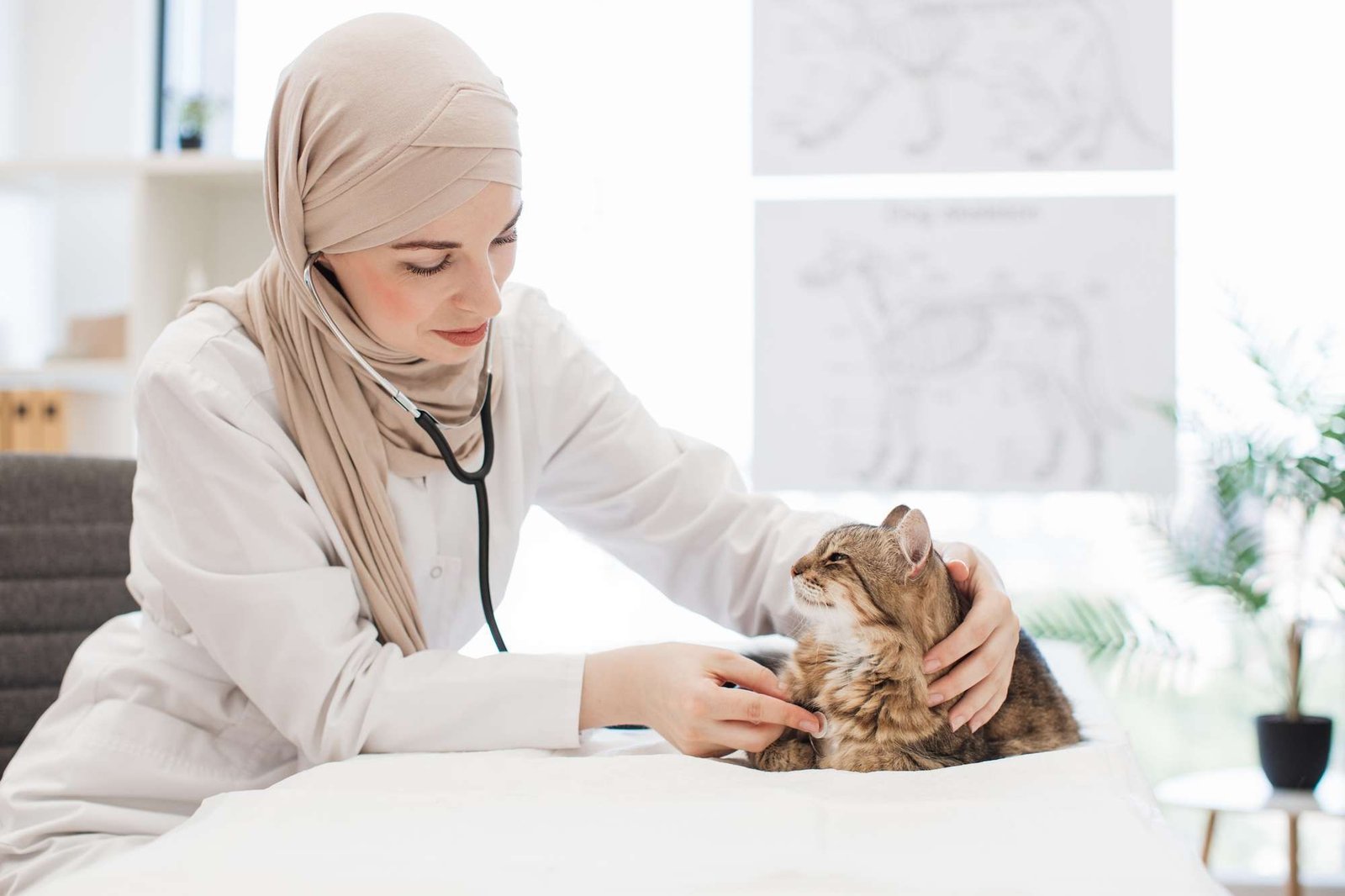

Let’s Talk About Cat Anal Glands (Yes, Really!)
Okay friends, grab your favorite beverage (maybe not during the squeamish parts!) because we need to have a heart-to-heart about something that most cat parents don’t even know exists until it becomes a problem. And let me tell you, I learned about it the hard way – at midnight on a Saturday night when my beloved Isaac was acting so strange that I ended up doom-scrolling through pet forums while stress-eating leftover meatloaf and mashed potatoes.
1. What Are Cat Anal Glands?
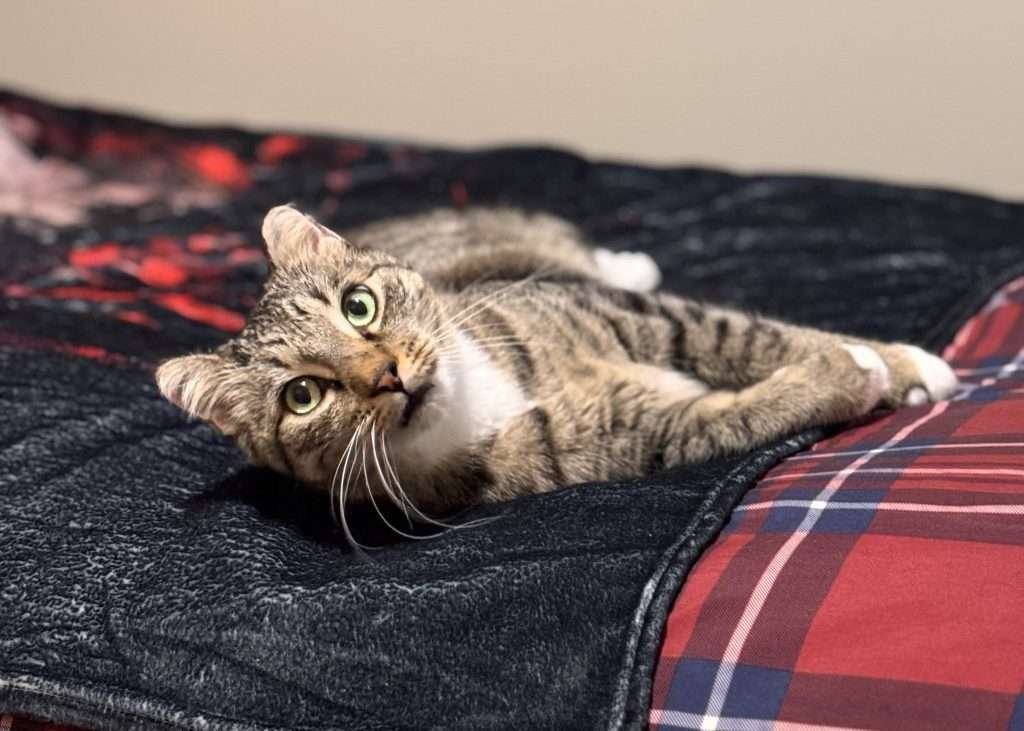
Imagine this: It’s a regular Tuesday afternoon at my vet’s office. I’m trying to wrangle Isaac, AKA Bebeolicious, who has somehow transformed from my sweet, semi-cuddly boy into a category 5 hurricane of brown and white tabby fur and betrayal. Dr. Sarah (bless her heart) is doing her routine check when she mentions something about anal glands. I must have looked like I’d just been told my cat was actually a small alien in disguise because she immediately launched into what I now call “The Great Gland Education of 2023.”
So here’s the deal (and I promise to make this as un-gross as possible) – these little troublemakers are basically two pea-sized sacs that hang out on either side of your cat’s bottom, kind of like nature’s own version of those car air fresheners. Except, you know, not fresh at all. They’re completely hidden inside, which is why most of us blissfully go through life not knowing they exist. The only visible sign of them are these tiny, 1-millimeter openings that sit at what vets professionally call the 4 o’clock and 8 o’clock positions of the anal opening. (Who came up with that clock analogy? I have questions!)
RELATED: When Bird Flu Meets Whiskers: Intel You Need to Know About H5N1 and Your Feline Friend
2. Cat Anal Gland Function: How They Work
Okay, this is where it gets really interesting (I never thought I’d say that about anal glands, but here we are!). These tiny glands are actually fascinating little chemical factories that play a huge role in our cats’ social lives. Remember how my old roommate’s cat used to always leave “presents” in the litter box and not cover them? Turns out, she wasn’t just being rude – she was literally leaving her calling card!
Every time your cat does their business, these glands are supposed to release a tiny bit of their unique scent – think of it as their personal signature or, as I like to call it, their “eau de feline.” It’s like they’re updating their Facebook status, but in a way that makes perfect sense to other cats. The pressure from normal bowel movements should naturally squeeze these glands, releasing just enough of their special perfume to let other cats know important information like “This is my territory!” or “Single cat seeks playmate, must love naps and laser pointers!”
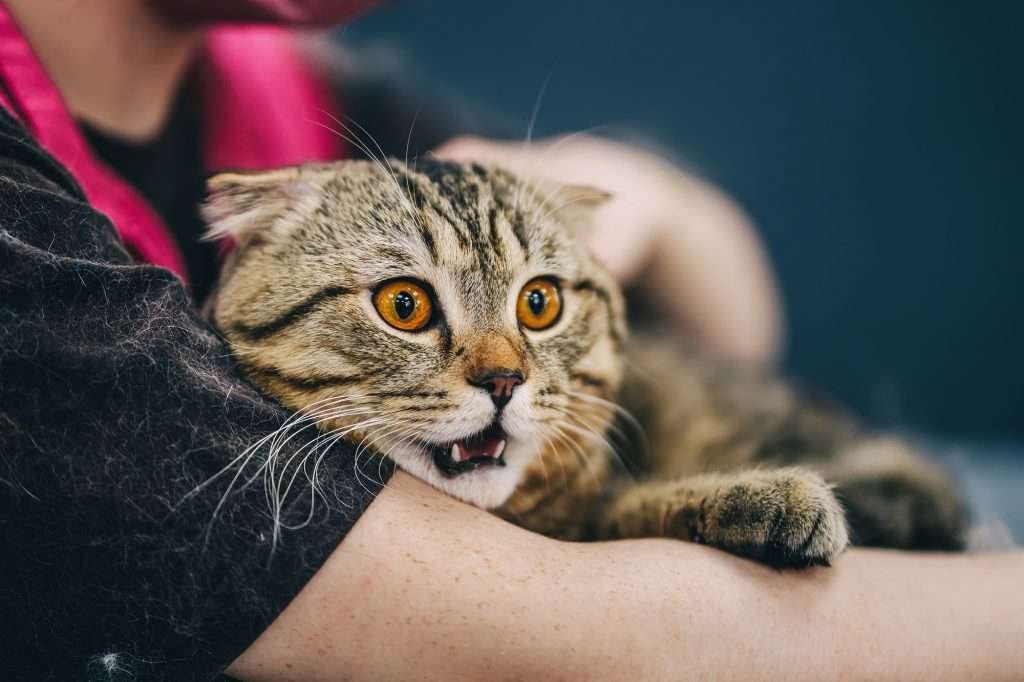
And here’s something that blew my mind – remember those viral videos of cats getting scared by cucumbers? (Side note: please don’t do this to your cats, it’s actually pretty mean!) When cats get startled like that, these glands might release their contents as part of their fight-or-flight response. It’s basically their body’s way of saying “ABORT MISSION!” in the most dramatic way possible.
3. Common Signs of Cat Anal Gland Problems
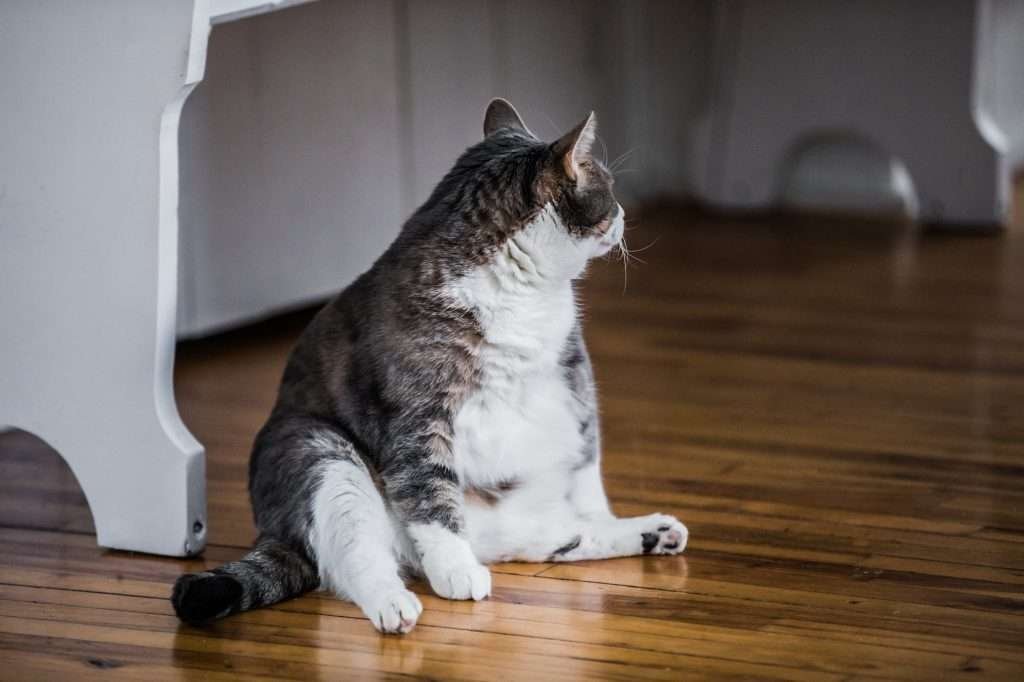
Now, this is where our story takes a turn into “why didn’t anyone warn me about this?” territory. Sometimes these little glands don’t work quite right, and let me tell you about the time I learned this the hard way. Picture it: I have a friend over for gluten-free pizza and wine and right in the middle of a riveting conversation about true crime documentaries, Isaac decides to perform what I now call “riding his bicycle” across my floor.
There I was, watching in horror as my cat did his best impression of a Roomba with alignment issues, while my guest politely pretended not to notice. This, my friends, is just one of the many signs that your cat’s anal glands might be having a moment.
Other signs that something’s not quite right include:
- Your cat suddenly treating their litter box like it’s personally offended them
- Excessive grooming of the back end (beyond the usual cleanup routine – you know what I mean)
- A mysterious fishy smell that appears on your furniture (RIP my favorite throw pillows, which had to be ceremonially burned after The Incident)
- Your cat acting like sitting down is equivalent to sitting on a bed of hot lava
- Blood or discharge under the tail (this is when you definitely need to call the vet ASAP)
- The dreaded “fish breath” (trust me, you’ll know it when you smell it)
4. Why You Shouldn’t Express Cat Anal Glands at Home
Let me share a cautionary tale that I hope will save some of you from making the same mistake I almost did. After The Great Scooting Incident of 2023, I did what anyone would do – I Googled and YouTubed it. There I was, at midnight, watching videos about anal gland expression (my browser history will never recover), thinking “How hard can it be?”
Fortunately, before I could attempt anything, my friend Denise (a vet tech) called me for our chatting session. When I mentioned my brilliant plan, she actually choked on her coffee and proceeded to spend the next twenty minutes explaining in VIVID detail why this was a terrible idea. Did you know these glands are actually quite delicate and easy to damage? Plus, most cats (surprisingly!) aren’t super thrilled about amateur attempts at gland expression.
Here’s what I learned: This is definitely one of those “leave it to the professionals” situations. Your vet team has:
- The right training (years of it!)
- Proper safety equipment (those gloves aren’t just a fashion statement)
- Experience in cat restraint techniques (because even the sweetest cat can turn into a tornado of claws when spooked)
- The ability to tell if there’s an underlying problem that needs addressing
5. Preventing Cat Anal Gland Issues: Diet and Care
After “The Incidents” (plural, because life with cats is never boring), I became somewhat of an amateur expert in preventing anal gland issues. Here’s what actually works:
Diet Matters More Than You Think
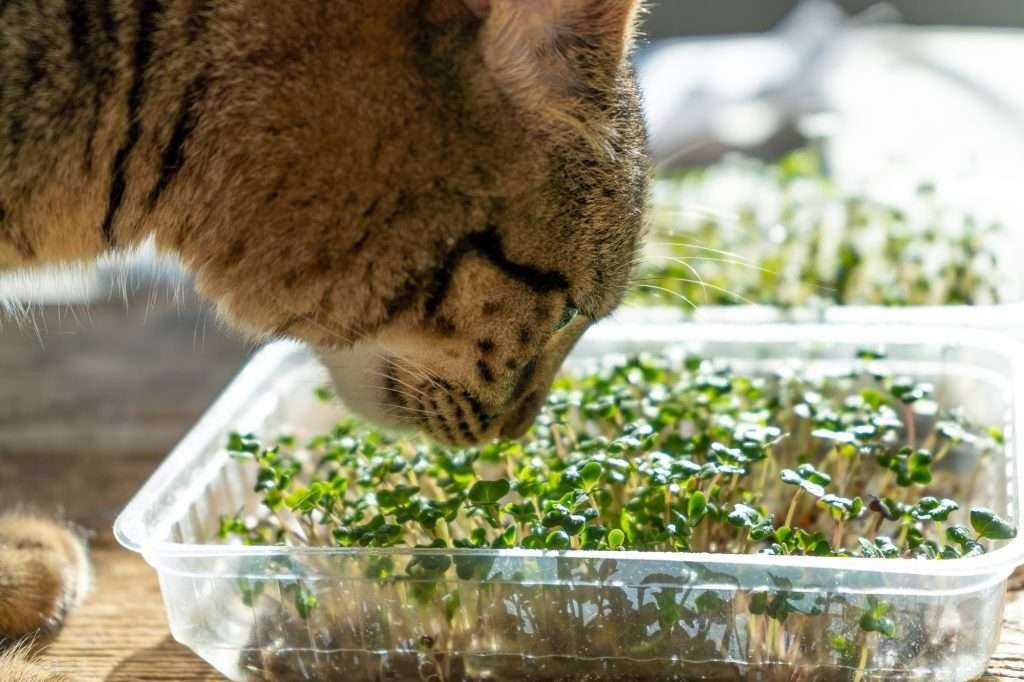
Remember when I mentioned expensive cat food? Well, turns out there’s actually a reason beyond making our wallets cry. A good quality, high-fiber diet helps create firmer stools, which naturally express those glands. I switched Isaac and the other two to a premium brand (after trying about what seemed like a million different kinds – picky little twerp), and it made a huge difference. I also opted for giving him kitty greens like cat grass or bean sprouts in additional to his premium diet.
The Weight Game
This one’s tricky because let’s be honest, chonky cats are adorable. But carrying extra weight can make it harder for cats to properly express their glands naturally. Isaac and I had to have a serious conversation about portion control (he still doesn’t speak to me before breakfast).
The Tummy Trouble Connection
Here’s something I wish I’d known earlier – both diarrhea and constipation can mess with these glands. So when Isaac had that week of upset tummy after stealing and eating an entire piece of cheese (don’t ask), we should have been monitoring for gland issues too.
6. Cat Anal Gland Expression Cost and Considerations
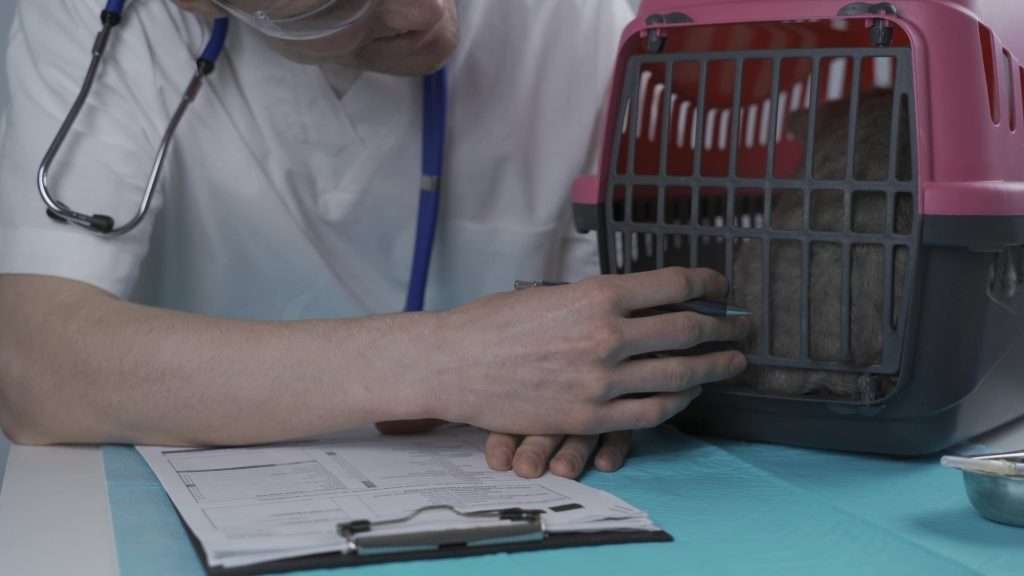
Let’s talk money, because let’s be real – that’s often the elephant in the room when it comes to pet care. A basic expression usually starts around $35, which seems reasonable until you realize your cat might need it done regularly. If your cat decides to channel their inner demon and needs sedation, or if there’s an infection requiring antibiotics… well, let’s just say it’s going to cost quite a bit more than the $35, possibly running up to $100.
But here’s the thing – waiting too long can lead to impaction, infection, or even rupture, which can cost WAY more to treat. Ask me how I know (actually, don’t – that vet bill still haunts my dreams).
7. Final Thoughts: Unexpected Aspects of Cat Care
You know what’s funny? When I first got Isaac, I thought I was pretty well-prepared. I’d had plenty of experience with cats growing up along with my furkids I already had. But nowhere in all that knowledge did anyone mention I’d someday become an expert in cat anal glands! It’s just one of those weird parts of cat parenthood that nobody warns you about – like how you’ll never pee alone again, or how you’ll develop the ability to distinguish between “I’m hungry” meows and “I’ve killed a hair tie and need you to witness my victory” meows.
The truth is, being a cat parent means becoming an expert in things you never thought you’d need to know about. It means learning to laugh at the awkward moments (eventually), becoming best friends with your vet, and realizing that love sometimes means dealing with some pretty weird stuff.
Join the conversation!
So come on, share your stories with me! What’s the weirdest thing your cat has made you Google at 10 PM? What’s your most embarrassing vet visit story? Have you ever had to explain to guests why your cat is doing the booty scoot boogie across your living room? Drop your tales of triumph and tragedy in the comments below – after all, we’re all in this wonderfully weird world of cat parenthood together!
P.S. Special thanks to Dr. Sarah for explaining all this with a straight face and to Isaac for providing endless “learning opportunities” in cat health management. You’re lucky you’re cute, baby bebes!
P.P.S. If you enjoyed this deep dive into the weirder side of cat care, let me know what other topics you’d like me to explore. Though fair warning – it might be hard to top anal glands in terms of dinner party conversation starters!
Stay connected with Caty Chat for regular updates, insights, and stories about the wonderful world of cats.



My cat always has a weird smell when she gets scared. I never knew this was an anal gland problem. This is so interesting to find out and it’s not just her being unclean. I’ll let my vet know about this too.